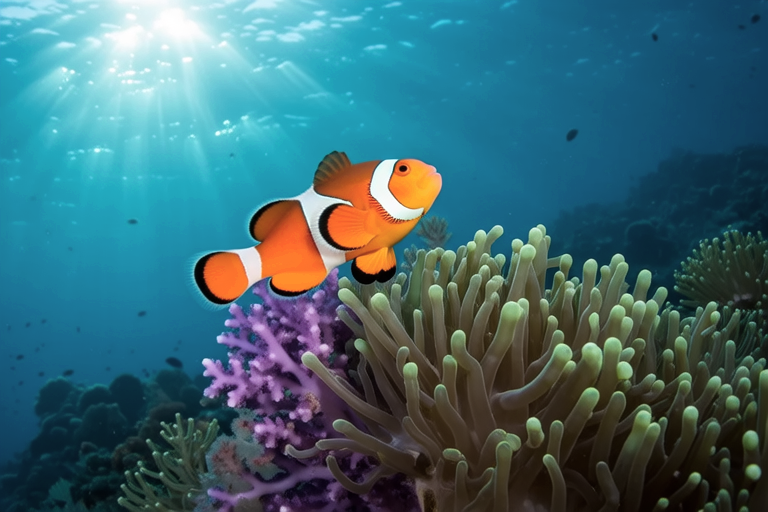
From Sea to Tank: The Ultimate Guide to Keeping Clownfish Happy
Welcome to your comprehensive guide to keeping clownfish happy and healthy in your home aquarium. This guide will provide you with all the necessary information to create an ideal environment for these delightful creatures. Whether you’re a novice or an experienced aquarist, this guide will help you understand the unique needs of clownfish and ensure their well-being.
Clownfish Species Overview
Clownfish, also known as anemonefish, belong to the family Pomacentridae. There are approximately 30 recognized species of clownfish, each with its own distinct characteristics. Some popular species include the ocellaris clownfish (Amphiprion ocellaris), the maroon clownfish (Premnas biaculeatus), and the percula clownfish (Amphiprion percula). Each species has slightly different care requirements, so it’s important to research thoroughly before choosing your clownfish.
Suitable Tank Conditions
Creating the right tank environment is crucial for the health and happiness of your clownfish. A minimum tank size of 20 gallons is recommended for a single pair of clownfish. Larger tanks can accommodate more fish and provide a better environment for them to thrive. Clownfish prefer a densely planted tank with plenty of hiding spots. Live rock and coral can be used to simulate their natural habitat, providing shelter and a place to explore.
Water Parameters
Maintaining stable water parameters is essential for the health of your clownfish. The following are the ideal water conditions:
- Temperature: 76-82°F (24-28°C)
- pH: 8.1-8.4
- Specific Gravity: 1.020-1.025
- Ammonia: 0 ppm
- Nitrite: 0 ppm
- Nitrate: Below 20 ppm
Regular water testing and maintenance are vital to ensure that these parameters remain stable. A quality protein skimmer, efficient filtration, and regular water changes are key to maintaining good water quality.
Diet Requirements
Clownfish are omnivorous, meaning they eat both plant-based and animal-based foods. In the wild, they feed on algae, zooplankton, and small crustaceans. In captivity, a balanced diet consisting of high-quality flake food, pellets, frozen foods, and occasional live foods like brine shrimp or mysis shrimp will keep your clownfish healthy. Feeding them twice daily with varied food options ensures they receive all the nutrients they need.
Tank Mates Compatibility
Choosing the right tank mates for your clownfish is important to avoid stress and aggression. Clownfish generally do well with other peaceful fish, such as damsels, tangs, and wrasses. However, they can become territorial, especially when breeding. It’s best to avoid housing them with aggressive or fin-nipping species. Additionally, clownfish should not be housed with overly large or predatory fish that could pose a threat.
Disease Prevention
Preventing diseases is easier than treating them. Maintaining excellent water quality, providing a nutritious diet, and minimizing stress are the best ways to prevent illnesses. Quarantine new fish before introducing them to the main tank to avoid bringing in any potential pathogens. Regularly check your fish for signs of illness, such as lethargy, loss of appetite, or abnormal behavior. If you notice any issues, act promptly to address them.
Tips for Encouraging Spawning
If you’re interested in breeding clownfish, there are several steps you can take to encourage spawning:
- Provide a Suitable Environment: Create a tank with ample hiding spots, live rock, and a potential host anemone if desired.
- Establish Pair Bonding: Introduce a compatible male and female pair into the tank. They will naturally form a bond over time.
- Feed a Nutritious Diet: Ensure they have access to a varied diet rich in proteins and vitamins.
- Monitor Water Parameters: Keep water conditions stable and within the optimal range.
- Encourage Courtship: Simulate natural conditions by lowering the temperature slightly and increasing the light cycle gradually.
Once spawning occurs, carefully remove the eggs from the tank to prevent predation and place them in a separate rearing tank. Monitor the eggs closely, and once they hatch, provide rotifers or nauplii as food.
Conclusion
Keeping clownfish happy and healthy requires attention to detail and a commitment to maintaining a stable, enriching environment. By understanding their specific needs and providing the right conditions, you can ensure that your clownfish thrive in your aquarium. Remember, patience and observation are key to successful clownfish keeping. With the right care, these fascinating fish will bring joy and beauty to your tank for years to come.
