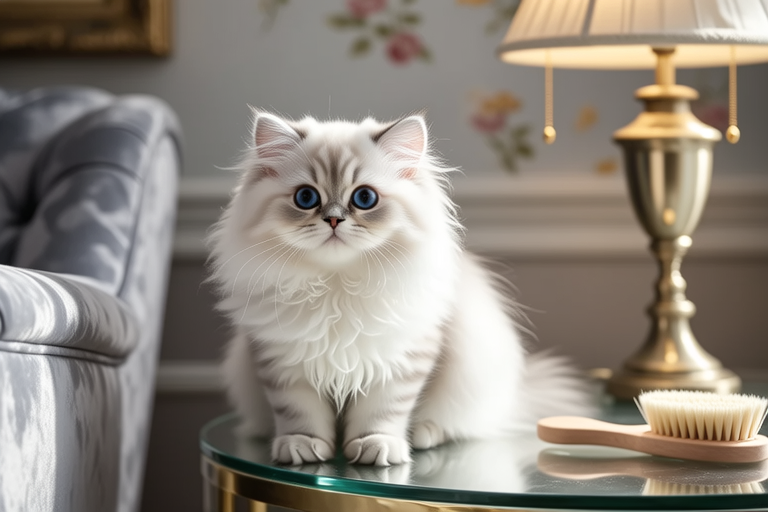
The Ultimate Guide to Grooming Your Silky-soft Persian Cat
Welcome to the ultimate guide to grooming your silky-soft Persian cat! Whether you’re a new or experienced cat owner, this comprehensive guide will help you maintain your Persian’s luxurious coat and overall health. Persian cats are known for their long, dense fur, which requires regular care to keep it soft and tangle-free. In this article, we’ll cover essential grooming tools, frequency of grooming, step-by-step instructions for bathing and brushing, nail trimming, ear cleaning, and oral hygiene. We’ll also provide tips for handling a resistant cat, common grooming mistakes to avoid, and signs of potential health issues during grooming.
Essential Grooming Tools Needed
To ensure your Persian cat looks its best, you’ll need the right tools. Here’s a list of essential grooming items:
- Wide-toothed comb: Ideal for removing tangles without pulling on your cat’s delicate skin.
- Pin brush: Great for distributing natural oils throughout the coat and detangling fur.
- De-shedding tool: Helps remove loose hair and prevent matting.
- Nail clippers: Necessary for keeping your cat’s claws at a safe length.
- Eyewash solution: Useful for cleaning around the eyes and preventing infections.
- Cotton balls: Perfect for gently wiping away any debris from the ears.
- Toothbrush and toothpaste: Essential for maintaining good oral hygiene.
Frequency of Grooming
Persian cats require frequent grooming due to their thick coats. Aim to groom your cat every day or every other day to prevent mats and tangles. Regular grooming not only keeps your cat looking beautiful but also helps with shedding and promotes better circulation.
Bathing Your Persian Cat
Bathing a Persian cat can be challenging, especially if your cat isn’t fond of water. Follow these steps for a successful bath:
- Prepare the bathroom: Fill a sink or bathtub with warm water and place a non-slip mat inside. Have all your supplies ready, including shampoo, towels, and treats.
- Brush out knots: Before wetting your cat, thoroughly brush its coat to remove any tangles or mats.
- Wet your cat: Use a gentle stream of lukewarm water to wet your cat from head to tail, avoiding the eyes and ears.
- Apply shampoo: Massage a small amount of cat-specific shampoo into your cat’s coat, focusing on areas where dirt accumulates.
- Rinse thoroughly: Ensure all soap is rinsed off to prevent irritation.
- Dry your cat: Wrap your cat in a towel and gently pat dry. You may also use a blow dryer set on low heat and a cool setting, ensuring it’s far enough away from your cat’s skin to avoid burns.
- Treat your cat: Reward your cat with treats and praise to make the experience more positive.
Brushing Your Persian Cat
Brushing your Persian cat is crucial for maintaining its coat. Here’s how to do it:
- Start with a wide-toothed comb: Begin by removing any large mats or tangles with a wide-toothed comb.
- Use a pin brush: Next, use a pin brush to distribute natural oils throughout the coat and further detangle fur.
- Employ a de-shedding tool: Finally, use a de-shedding tool to remove loose hair and prevent matting.
- Focus on problem areas: Pay special attention to areas where mats commonly form, such as behind the ears and under the legs.
Trimming Nails
Regular nail trimming is important to prevent overgrown claws, which can cause discomfort and injury. Here’s how to trim your Persian cat’s nails:
- Gather your tools: Have nail clippers, styptic powder (to stop bleeding), and treats ready.
- Comfort your cat: Place your cat on a stable surface and gently hold its paw.
- Identify the quick: Look for the pink part inside the nail, which contains blood vessels. Avoid cutting this area.
- Trim carefully: Cut a small portion of the nail, about 2 mm from the tip.
- Offer treats: Reward your cat with treats and praise after each nail to make the process more enjoyable.
Cleaning Ears
Clean your Persian cat’s ears regularly to prevent infections and wax buildup. Here’s how to do it:
- Prepare your supplies: Gather cotton balls, an ear cleaner designed for cats, and treats.
- Inspect the ears: Check for redness, swelling, or discharge, which could indicate an infection.
- Clean gently: Using a cotton ball dampened with ear cleaner, gently wipe the outer ear and ear canal.
- Avoid deep cleaning: Do not insert anything into the ear canal, as this can damage the eardrum.
- Offer treats: Reward your cat with treats and praise to make the experience more positive.
Maintaining Oral Hygiene
Good oral hygiene is vital for your Persian cat’s overall health. Here’s how to maintain it:
- Choose the right tools: Select a toothbrush and toothpaste specifically designed for cats.
- Introduce gradually: Get your cat used to having its mouth touched before attempting to brush its teeth.
- Brush regularly: Aim to brush your cat’s teeth at least twice a week.
- Offer dental treats: Provide dental chews and toys that promote healthy teeth and gums.
Tips for Handling a Resistant Cat
If your Persian cat is resistant to grooming, try these tips:
- Be patient: Take your time and allow your cat to adjust to the grooming process.
- Use treats and praise: Reward your cat with treats and praise to create positive associations.
- Keep sessions short: Limit grooming sessions to a few minutes at a time to avoid overwhelming your cat.
- Seek professional help: Consider hiring a professional groomer if your cat is particularly difficult to handle.
Common Grooming Mistakes to Avoid
Avoid these common grooming mistakes to ensure your Persian cat stays healthy and comfortable:
- Overbathing: Bathing too frequently can strip your cat’s skin of natural oils, leading to dryness and irritation.
- Ignoring mats: Neglecting to address mats can lead to painful skin conditions and infections.
- Inadequate nail trimming: Failing to trim nails regularly can result in overgrown claws, causing discomfort and injury.
- Deep ear cleaning: Inserting objects into the ear canal can damage the eardrum and lead to infections.
Signs of Potential Health Issues During Grooming
During grooming, watch for these signs of potential health issues:
- Redness or swelling: Indicating possible skin infections or irritations.
- Discharge from ears or eyes: Suggesting potential infections.
- Bad breath: Signaling dental problems or gastrointestinal issues.
- Excessive shedding: Potentially indicating stress, allergies, or thyroid issues.
By following this comprehensive guide, you’ll be well-equipped to groom your Persian cat effectively and lovingly. Regular grooming not only enhances your cat’s appearance but also strengthens your bond and ensures its overall well-being. Remember, patience and consistency are key, and always reward your cat with treats and praise to make the grooming experience as pleasant as possible.
