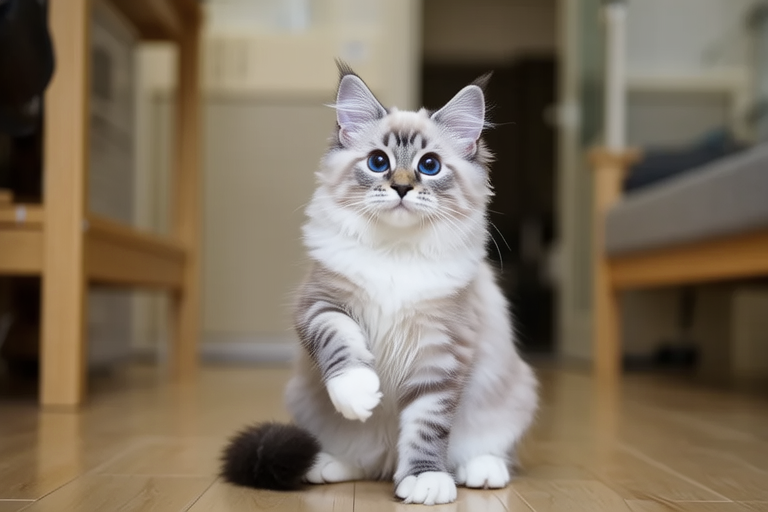
The Ultimate Guide to Caring for Your Munchkin Pet
Understanding the Unique Characteristics of Munchkin Cats
Munchkin cats are known for their exceptionally short legs, a result of a naturally occurring genetic mutation. This distinctive trait makes them stand out among other feline breeds. However, it also brings about specific challenges and considerations that every Munchkin owner should be aware of. Their legs, while short, are sturdy and capable, but they may need assistance with certain activities due to their unique physique.
Despite their diminutive stature, Munchkins are incredibly playful and agile, often surprising owners with their ability to leap and climb. They are curious by nature and enjoy exploring their surroundings. Understanding these traits will help you provide a stimulating environment that caters to their natural instincts.
Providing Appropriate Nutrition
Nutrition plays a crucial role in maintaining your Munchkin’s health and well-being. Like all cats, they require a balanced diet rich in proteins, fats, vitamins, and minerals. Choose high-quality commercial cat food that lists meat as the primary ingredient. Wet food can be particularly beneficial as it helps keep your cat hydrated and provides additional nutrients.
Avoid overfeeding, which can lead to obesity, a common issue among indoor cats. Monitor your Munchkin’s weight regularly and adjust portion sizes accordingly. Consult with your veterinarian to determine the right amount of food based on your cat’s age, activity level, and overall health.
Ensuring Adequate Exercise Despite Their Short Legs
While Munchkins have shorter legs, they still require regular physical activity to stay healthy and maintain a good weight. Encourage playtime with interactive toys such as feather wands or laser pointers to stimulate their minds and bodies. Puzzle feeders can also be a fun way to engage them mentally while they work for their meals.
Create a safe space where your Munchkin can explore freely. Multi-level cat furniture or cat trees can provide vertical spaces for climbing and resting. These structures not only offer exercise opportunities but also mimic the natural habitats of wild felines.
Suitable Housing and Environmental Enrichment
Creating a comfortable and enriching home environment is essential for your Munchkin’s happiness. Provide plenty of cozy spots for napping and resting, such as soft beds or blankets. Cats appreciate having multiple hiding places, so consider adding cardboard boxes or tunnels.
Ensure your home is safe for a curious cat by securing loose wires and keeping harmful substances out of reach. Install secure window screens if you live in an area where outdoor exploration might be tempting.
Common Health Issues and How to Prevent Them
Munchkin cats are generally healthy, but they are prone to certain conditions due to their unique body structure. Spinal issues, such as lordosis (swayback) and pectus excavatum (sunken chest), can occur. Regular veterinary check-ups are vital to monitor your cat’s health and address any concerns early.
To prevent obesity, which can exacerbate joint problems, maintain a balanced diet and encourage daily exercise. Keep an eye on your Munchkin’s weight and consult your vet if you notice any changes. Dental hygiene is another important aspect; brush your cat’s teeth regularly or provide dental treats to promote oral health.
Grooming Needs
Munchkins typically have short coats that require minimal grooming, making them relatively easy to maintain. However, regular brushing helps remove loose hair and prevents matting, especially during shedding seasons. Bathing is usually unnecessary unless your cat gets particularly dirty.
Pay attention to your Munchkin’s claws. Trim them regularly to avoid overgrowth, which can cause discomfort or injury. Use nail clippers designed for cats and take care not to cut into the quick, which can cause bleeding and pain.
Socialization Tips
Munchkin cats are sociable creatures who thrive on interaction with their human families. Spend quality time with your cat through play, petting, and talking to them. Positive reinforcement training methods can help build a strong bond and teach your Munchkin good behavior.
If you have children or other pets, introduce them gradually under supervision to ensure everyone adjusts well. Socializing your Munchkin early helps them become more adaptable and less fearful in various situations.
Advice on Handling Veterinary Care
Regular veterinary visits are crucial for maintaining your Munchkin’s health. Schedule routine check-ups, vaccinations, and preventive care such as flea control and heartworm prevention. Be proactive about addressing any health concerns promptly.
When selecting a veterinarian, look for one with experience in treating Munchkin cats. Discuss potential risks associated with anesthesia due to their unique anatomy and ensure your vet takes necessary precautions during procedures.
