How Clownfish Became Internet Sensations: A Dive into Popularity
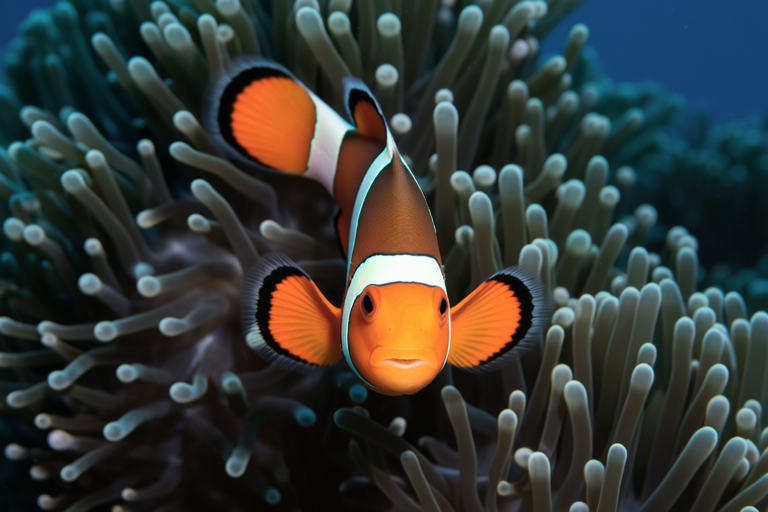
The vibrant and charismatic clownfish have long captivated the hearts of marine enthusiasts and casual viewers alike. Known for their striking orange and white stripes and their unique symbiotic relationship with sea anemones, these fish are native to the tropical waters of the Indo-Pacific. Found primarily in coral reefs, they inhabit areas ranging from the Red Sea and Southeast Asia to the Great Barrier Reef and the Pacific Islands. Their natural habitat, teeming with life and color, provides a rich environment for these creatures, which has only added to their allure.
Clownfish are particularly known for their resilience and adaptability, thriving in environments where many other species struggle. Their symbiotic relationship with sea anemones, where they provide protection against anemone-eating fish while the anemone offers them shelter and food, is one of the most fascinating aspects of their biology. This mutually beneficial partnership has made them a favorite subject for marine biologists and photographers alike. Their distinct appearance and behavior have also made them a staple in aquariums worldwide, further contributing to their visibility.
Key Moments in Digital Media
The rise of clownfish in digital media can be traced back to several key moments that transformed them from obscure marine inhabitants to internet sensations. One pivotal moment was their appearance in the 2003 animated film Finding Nemo, which starred Dory and Marlin, a clownfish father searching for his lost son. The movie’s heartwarming narrative and endearing characters resonated with audiences globally, catapulting clownfish into the spotlight. The film’s success led to an increased interest in these fish, both as pets and as symbols of marine life.
Viral videos have also played a significant role in amplifying the popularity of clownfish. One notable example is the video of a clownfish named “Charlie” from a marine park in Japan, who became an internet sensation after appearing to ‘dance’ to music. This clip went viral, attracting millions of views and spawning countless memes and parodies. Such videos highlight the playful and interactive nature of clownfish, making them relatable and endearing to viewers.
Appeal as Pets and Cultural Icons
The appeal of clownfish extends beyond their natural charm; they have become cultural icons due to their frequent appearances in popular media. In addition to Finding Nemo, clownfish have featured in various television shows, documentaries, and advertisements. Their distinctive appearance and gentle demeanor make them ideal subjects for storytelling, further enhancing their popularity. Moreover, the ease of keeping them in home aquariums has made them accessible to a broader audience, leading to an increase in their ownership.
Clownfish are often chosen as pets because of their relatively low maintenance requirements and compatibility with reef tanks. Their hardiness and ability to thrive in diverse environments make them appealing to novice aquarists. However, it is essential to note that responsible pet ownership involves understanding the needs of these animals and ensuring they are kept in appropriate conditions. Aquariums have played a crucial role in promoting the welfare of clownfish by providing educational resources and guidelines for proper care.
Marine Conservation Efforts
Aquariums and marine conservation organizations have significantly contributed to the internet presence of clownfish. Many aquariums offer interactive exhibits and educational programs focused on marine biodiversity, emphasizing the importance of preserving coral reefs and the species that depend on them. These initiatives not only raise awareness about the challenges faced by marine ecosystems but also foster a sense of connection between visitors and the creatures they encounter.
Conservation efforts aimed at protecting clownfish and their habitats have gained momentum in recent years. Organizations like the World Wildlife Fund (WWF) and the Marine Stewardship Council (MSC) work tirelessly to promote sustainable fishing practices and protect vulnerable species. By supporting these initiatives, individuals can contribute to the preservation of clownfish populations and the health of marine environments. Additionally, advancements in aquaculture have made it possible to breed clownfish in captivity, reducing the demand for wild-caught specimens and helping to mitigate overfishing.
The Future of Clownfish Online
The future impact of clownfish in online communities is likely to be substantial, given their enduring popularity and the growing interest in marine conservation. As more people engage with digital platforms, clownfish will continue to serve as ambassadors for marine life, inspiring conversations about sustainability and environmental stewardship. Social media campaigns, virtual reality experiences, and interactive web content are just a few ways in which clownfish can be leveraged to educate and entertain audiences.
In conclusion, the journey of clownfish from the depths of the ocean to the forefront of internet culture is a testament to their captivating nature and the power of digital media. Through key moments in film, viral videos, and their appeal as pets and cultural icons, clownfish have secured their place in the hearts of millions. As we look toward the future, it is clear that clownfish will continue to play a vital role in raising awareness about marine conservation and fostering a deeper appreciation for the wonders of the underwater world.
