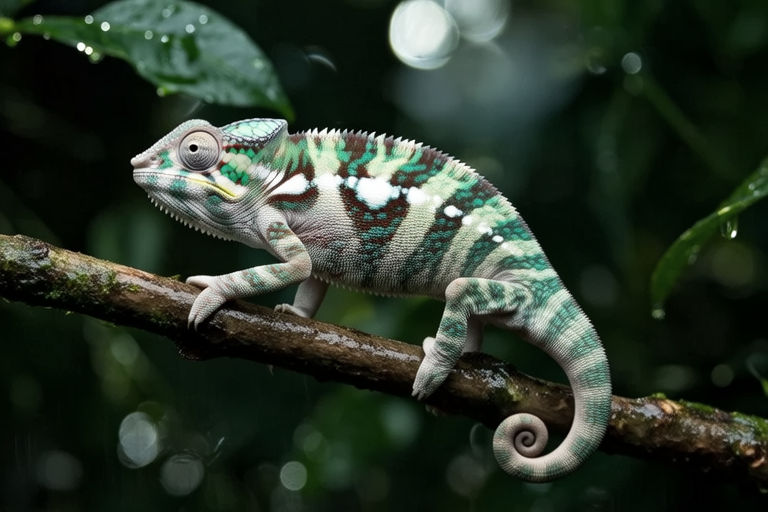
Exploring the Intriguing World of Chameleons
Chameleons are among the most fascinating creatures on Earth, known for their remarkable ability to change colors. This unique characteristic has captivated humans for centuries, leading to numerous myths and misconceptions about these reptiles. Delving into the science behind their color-changing abilities, exploring various species, their natural habitats, and the specific care requirements necessary for their health and longevity as pets, this article aims to provide a comprehensive understanding of chameleons.
The Science Behind Color Changing Abilities
Chameleons’ color-changing abilities are not merely for camouflage but serve multiple purposes. Their skin contains specialized cells called chromatophores, which contain pigments that can be expanded or contracted. These cells are arranged in layers beneath the chameleon’s transparent outer skin. The top layer contains yellow and red pigments, while the middle layer holds green and blue pigments. The bottom layer comprises melanophores, which contain the dark pigment melanin. By manipulating the size of these cells, chameleons can produce a wide range of colors and patterns.
Color changes occur through neural signals from the brain, which trigger hormones that cause the chromatophores to expand or contract. This process allows chameleons to regulate their body temperature, communicate with other chameleons, express emotions, and even attract mates. For example, a male chameleon may display vibrant colors during courtship displays, while a stressed or frightened chameleon might turn darker to blend into its surroundings.
Variety of Species and Natural Habitats
There are approximately 200 species of chameleons, each adapted to different environments. Some popular species include the veiled chameleon (Chamaeleo calyptratus), Jackson’s chameleon (Trioceros jacksonii), panther chameleon (Furcifer pardalis), and Parson’s chameleon (Calumma parsonii). These species inhabit diverse regions across Africa, Madagascar, southern Europe, and the Middle East.
- Veiled Chameleon: Native to Yemen and Saudi Arabia, this species thrives in arid desert climates with rocky terrain and sparse vegetation.
- Jackson’s Chameleon: Found in Kenya and Tanzania, this species prefers cooler, misty forests at high altitudes.
- Panther Chameleon: Endemic to Madagascar, this species inhabits humid tropical rainforests with dense foliage.
- Parson’s Chameleon: Also native to Madagascar, this is one of the largest chameleon species, living in humid, tropical forests.
Each species has evolved to suit its specific habitat, developing unique adaptations for survival. For instance, some chameleons have prehensile tails that help them grip branches, while others possess long tongues capable of extending up to twice their body length to catch insects.
Care Requirements for Pet Chameleons
Providing proper care for pet chameleons is essential for their health and longevity. A well-maintained enclosure, appropriate diet, and minimal handling are crucial factors to consider when keeping these animals as pets.
Enclosure Setup
Adequate space and environmental enrichment are vital for chameleons’ well-being. A minimum of 24 inches in height and width is recommended for a single adult chameleon, with taller enclosures preferred. Enclosures should be equipped with vertical climbing structures, live plants, and branches to mimic their natural habitat.
Temperature and humidity levels must also be carefully controlled. Most chameleon species require temperatures between 75°F and 95°F during the day, with a basking spot reaching 95°F to 105°F. At night, temperatures can drop to 65°F to 75°F. Humidity levels should be maintained between 40% and 80%, depending on the species.
Proper ventilation is essential to prevent the buildup of harmful bacteria and fungi. Enclosures should have adequate airflow but avoid direct drafts, which can cause stress or illness.
Diet and Feeding
Chameleons are insectivorous, feeding primarily on crickets, mealworms, waxworms, and occasional feeder roaches. It is important to gut-load feeder insects with nutritious food before offering them to your chameleon. Dusting insects with calcium and vitamin D3 supplements ensures proper bone development and overall health.
Water intake is crucial for chameleons, as they obtain most of their hydration from the dew on leaves rather than drinking from standing water sources. Misting systems or drip systems can be used to provide fresh water daily. Ensure that the enclosure remains moist enough for droplets to form on leaves, allowing your chameleon to lap up the water.
Handling and Social Interaction
Chameleons are solitary creatures that do not require social interaction like many other pets. They can become stressed if handled frequently or exposed to excessive noise and movement. When handling your chameleon, always support its body and avoid squeezing or restraining it. Limit handling sessions to short periods, ensuring your chameleon feels secure and comfortable.
Debunking Common Myths About Chameleons
One of the most prevalent myths about chameleons is that they primarily use their color-changing abilities for camouflage. While color changes can help chameleons blend into their surroundings, this is not their primary purpose. Instead, chameleons use their vibrant hues for communication, temperature regulation, and emotional expression.
Another myth is that all chameleons are easy to care for as pets. In reality, chameleons have very specific needs regarding their environment, diet, and care. Failing to meet these requirements can lead to health issues and a shortened lifespan. Potential owners should thoroughly research the species they wish to keep and ensure they can provide the necessary conditions for a happy and healthy chameleon.
Tips for Potential Owners
Before deciding to own a chameleon, it is essential to understand the commitment involved. Setting up an appropriate enclosure, providing a balanced diet, and minimizing handling are key factors in ensuring your chameleon’s well-being. Researching the specific needs of your chosen species will help you create an environment that mimics its natural habitat, promoting optimal health and longevity.
Regular veterinary check-ups are also crucial for maintaining your chameleon’s health. Reptile veterinarians can offer guidance on proper care techniques and address any concerns you may have about your pet’s well-being.
The Captivating Nature of Chameleons
Chameleons are captivating creatures worth understanding beyond the surface. Their unique color-changing abilities, diverse species, and specific care requirements make them both fascinating subjects of study and rewarding companions for those willing to commit to their care. By learning more about these remarkable reptiles, we can appreciate their complexity and beauty, fostering a deeper connection with nature.
