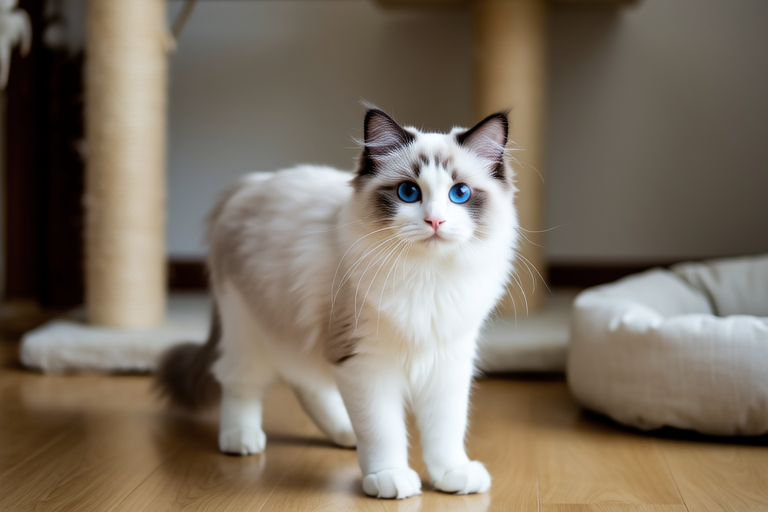
Adopting a Turkish Angora: Tips for Future Cat Parents
Welcome to the wonderful world of Turkish Angoras! These elegant felines have been captivating hearts for centuries with their striking appearance and charming personalities. Originating from the Anatolian Mountains in Turkey, Turkish Angoras are known for their silky white coats and large, expressive blue eyes that can sometimes be green or odd-eyed (one eye of each color). Their agility, intelligence, and playful nature make them an ideal companion for families and individuals alike. If you’re considering adopting a Turkish Angora, this guide will provide you with essential tips to ensure a smooth transition into life together.
Preparing Your Home for a Turkish Angora
Before bringing your new furry friend home, it’s crucial to prepare your living space to cater to their specific needs. Start by creating a safe environment free from hazards such as toxic plants, small objects they might ingest, and dangling electrical cords. Install sturdy cat trees or shelves where they can climb and perch, fulfilling their natural instinct to explore heights.
Invest in comfortable bedding and scratching posts to encourage proper claw maintenance. Consider setting up multiple litter boxes in different areas of your house, especially if you live in a multi-story home. This helps prevent accidents and keeps your cat happy. Lastly, ensure that all windows are securely screened to allow fresh air while keeping your pet safe.
Dietary Needs of Turkish Angoras
Feeding your Turkish Angora a balanced diet is key to maintaining their health and vitality. High-quality commercial cat food that meets the nutritional standards set by organizations like AAFCO (Association of American Feed Control Officials) is generally recommended. Look for options rich in protein from sources such as chicken, fish, or lamb, which align well with their carnivorous nature.
Avoid feeding them human foods, particularly those containing onions, garlic, chocolate, caffeine, or alcohol, as these can be harmful. Fresh water should always be available to keep them hydrated. Consult with your veterinarian about any additional supplements or specific dietary requirements based on your cat’s age, weight, and overall health condition.
Grooming Requirements
Turkish Angoras have long, fine coats that require regular grooming to prevent matting and maintain their lustrous appearance. Brush them at least twice a week using a soft-bristled brush or a slicker tool designed for delicate fur. During shedding seasons, more frequent brushing may be necessary.
Bathing is typically not required unless absolutely necessary due to cleanliness issues or medical conditions. Instead, focus on keeping their ears clean by gently wiping them with a cotton ball dipped in a vet-approved ear cleaner solution. Trim their nails regularly to avoid overgrowth, which could lead to discomfort or injury.
Common Health Issues
Like any other breed, Turkish Angoras can face certain health challenges. One of the most prevalent issues among this breed is hypertrophic cardiomyopathy (HCM), a type of heart disease characterized by thickening of the heart muscle walls. Regular veterinary check-ups, including echocardiograms, can help monitor their cardiac health.
Another concern is obesity, which can lead to various complications including diabetes, arthritis, and respiratory problems. Maintaining a healthy weight through portion control and regular exercise is vital. Additionally, some Turkish Angoras may inherit genetic disorders affecting their eyesight or hearing; therefore, early detection through routine examinations is advisable.
Temperament and Interaction
Turkish Angoras are known for their friendly yet independent temperaments. They enjoy companionship but also value personal space, making them suitable for both active households and quieter environments. Socializing your kitten from an early age ensures they grow up confident and well-adjusted.
Engage with your Turkish Angora through interactive play sessions using toys that stimulate their hunting instincts, such as feather wands or laser pointers. Positive reinforcement training methods, such as clicker training, can teach them basic commands and tricks, strengthening the bond between you two. Always respect their boundaries when they seek solitude.
Finding and Adopting a Turkish Angora
When searching for a Turkish Angora, consider adopting from reputable shelters or rescue organizations rather than purchasing from unverified breeders. Shelters often have purebred cats available, offering the opportunity to give a loving home to a deserving animal.
If opting for a breeder, research thoroughly to find someone who prioritizes the health and wellbeing of their cats. Visit the breeding facility in person if possible to observe the living conditions and meet the parents. Reputable breeders will provide documentation regarding vaccinations, deworming schedules, and genetic testing results.
Once you’ve found your perfect match, prepare yourself emotionally for the joy and companionship that awaits. Welcoming a Turkish Angora into your family means committing to providing love, care, and a lifetime of happiness for both you and your new best friend.
