Unraveling the Mysteries of Heterometrus spinifer: A Unique Species Worth Knowing
Heterometrus spinifer, commonly known as the spiny forest scorpion, is a fascinating creature belonging to the family Scorpionidae. This elusive arachnid has captured the interest of biologists and nature enthusiasts alike due to its distinct physical features, intriguing behaviors, and unique adaptations. Let’s delve into the world of Heterometrus spinifer, exploring its classification, physical characteristics, habitat, behavior, and its significance in the ecosystem.
Classification and Physical Characteristics
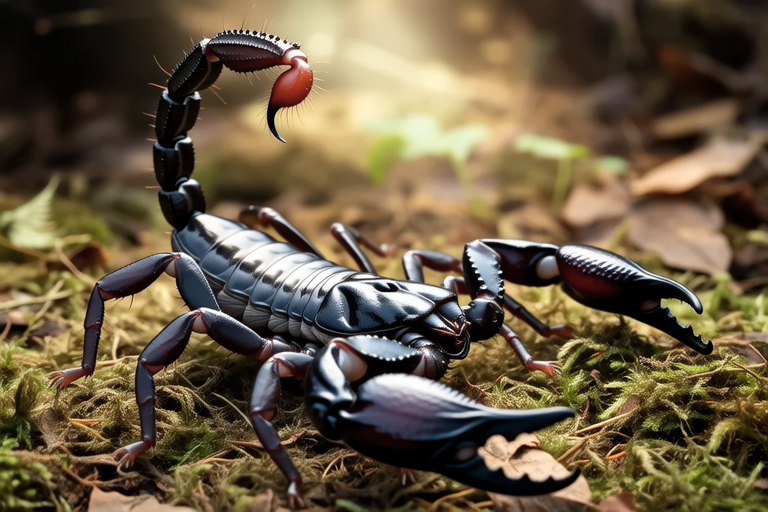
Within the vast realm of the animal kingdom, Heterometrus spinifer belongs to the class Arachnida, order Scorpiones, and family Scorpionidae. It is characterized by its elongated body structure, which is divided into two main parts: the cephalothorax and the abdomen. The cephalothorax houses the eyes, mouthparts, and pedipalps, while the abdomen is further segmented into the preabdomen and postabdomen. One of the most striking features of Heterometrus spinifer is its pair of large claws, or pedipalps, which are used for grasping prey and defending itself against threats. Another distinctive characteristic is the presence of a prominent tail-like structure, called the metasoma, tipped with a venomous stinger. The name ‘spinifer’ refers to the small, sharp spines that adorn the legs and pedipalps of the scorpion, giving it its common name.
Natural Habitat and Adaptations
Heterometrus spinifer is native to Southeast Asia, particularly found in countries such as Thailand, Malaysia, and Indonesia. It thrives in tropical and subtropical regions characterized by dense forests, rocky outcrops, and humid environments. These scorpions are predominantly nocturnal, preferring to hide during the day in crevices, under rocks, or within tree bark to avoid predators and extreme temperatures. Their ability to adapt to their surroundings is remarkable; they can survive in both dry and wet habitats, thanks to their exoskeleton, which helps regulate water loss and maintain internal moisture levels.
The spiny forest scorpion has evolved several physiological adaptations that allow it to thrive in its environment. For instance, it possesses specialized sensory organs, such as pectines, which are comb-like structures located on the underside of the abdomen. These organs help the scorpion detect vibrations and changes in humidity, enabling it to locate potential mates, prey, and suitable hiding spots. Additionally, its venom serves multiple purposes, acting as both a defensive mechanism and a means of subduing prey. The venom contains neurotoxins that immobilize or kill smaller animals, ensuring a steady food supply.
Diet and Hunting Techniques
As carnivorous predators, Heterometrus spinifer primarily feeds on insects, spiders, and other small invertebrates. Its hunting strategy involves lying in wait for unsuspecting prey, often using its keen sense of smell and touch to detect nearby movements. Once a target is identified, the scorpion will swiftly pounce, using its powerful pedipalps to grasp and immobilize the victim. The venomous sting then delivers a paralyzing dose, allowing the scorpion to consume its meal at leisure. While the venom is potent enough to incapacitate prey, it is generally not lethal to humans unless an allergic reaction occurs.
Interestingly, the feeding habits of Heterometrus spinifer have been observed to vary depending on environmental factors. During periods of scarcity, these scorpions may resort to cannibalism, consuming weaker members of their own species. This survival tactic underscores the competitive nature of their existence and highlights the harsh realities of life in the wild.
Myths and Misconceptions
Despite its fearsome appearance, Heterometrus spinifer is often misunderstood, with many myths and misconceptions surrounding its behavior and impact on human populations. One prevalent myth is that all scorpions are aggressive and pose a significant threat to humans. In reality, Heterometrus spinifer is generally non-aggressive and will only attack if provoked or cornered. Another misconception is that the venom of this species is highly dangerous to humans, leading to exaggerated fears among the public. Scientific studies have shown that while the venom can cause localized pain and swelling, severe reactions are rare and usually limited to individuals with specific allergies.
It is important to dispel these myths and foster a more accurate understanding of Heterometrus spinifer. By doing so, we can promote coexistence between humans and these remarkable creatures, reducing unnecessary fear and fostering respect for their role in the ecosystem.
Conservation and Ecological Importance
The conservation of Heterometrus spinifer is crucial for maintaining ecological balance and preserving biodiversity. As predators, these scorpions play a vital role in controlling insect populations, thereby preventing outbreaks that could harm crops and natural ecosystems. They also serve as indicators of environmental health, reflecting changes in their habitats due to human activities such as deforestation and urbanization. By protecting the habitats of Heterometrus spinifer, we indirectly support a wide range of other species that depend on the same ecosystems.
To encourage conservation efforts, it is essential to raise awareness about the importance of these scorpions and the threats they face. Educating the public about their beneficial roles and dispelling myths can lead to greater appreciation and protection. Furthermore, supporting initiatives that focus on habitat preservation and sustainable land management practices can ensure the long-term survival of Heterometrus spinifer and other vulnerable species.
In conclusion, Heterometrus spinifer is a unique and fascinating species that deserves our attention and admiration. Through understanding its classification, physical characteristics, habitat, behavior, and ecological significance, we can gain a deeper appreciation for the intricate web of life that exists around us. By working together to conserve this remarkable creature and its environment, we can ensure that future generations have the opportunity to marvel at the wonders of nature.
