Discover Why Chilean Rose Tarantulas Are a Unique Addition to Any Home
Chilean Rose Tarantulas, also known as Grammostola rosea, are among the most popular choices for beginners in the world of exotic pets. Their unique appearance, gentle temperament, and relatively low maintenance make them a fascinating addition to any home. In this article, we will explore why these spiders are such a great choice for pet enthusiasts and provide you with all the necessary information to keep them healthy and happy.
The Unique Appearance and Temperament of Chilean Rose Tarantulas
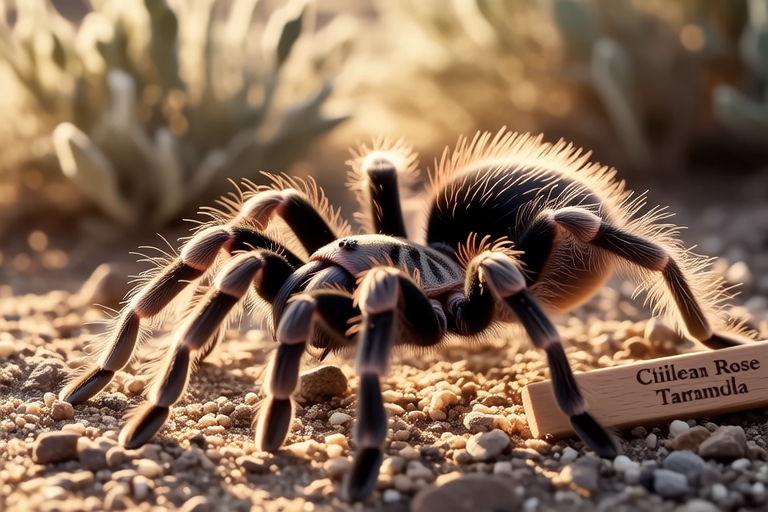
Chilean Rose Tarantulas are named after their distinct pinkish hue, which ranges from light to dark depending on the individual. Their coloration can change over time, becoming darker as they age. These spiders have a robust body structure and long legs, making them appear larger than they actually are. Their size typically ranges between 3 to 5 inches in leg span, but some specimens can grow even larger. Despite their intimidating appearance, these tarantulas are known for their docile nature. They are generally calm and non-aggressive, rarely biting unless provoked. Their temperament makes them ideal for handling, although it’s important to respect their boundaries and handle them carefully.
Care Requirements: Habitat Setup, Feeding Habits, and Handling Tips
Habitat Setup
Creating the right environment is crucial for the health and well-being of your Chilean Rose Tarantula. A suitable enclosure should be spacious enough to allow the spider to move freely, with dimensions of at least 8 inches by 4 inches for adults. The enclosure should have a secure lid to prevent escapes and should be made of glass or plastic to maintain humidity levels. It’s important to provide a substrate that allows for burrowing, as Chilean Rose Tarantulas spend much of their time underground. A layer of coconut fiber or bark chips works well, and you should add a hideout or a small cave for the spider to retreat into. Proper ventilation is essential to avoid mold growth, so ensure there are adequate air holes in the enclosure.
Feeding Habits
Chilean Rose Tarantulas are carnivorous and require a diet of live insects. Crickets are the most commonly fed prey item, but you can also offer other insects like mealworms or dubia roaches. It’s important to gut-load the insects with nutritious food before feeding them to your tarantula to ensure they get the best possible nutrition. Feed your tarantula once or twice a week, depending on its size and appetite. Juveniles may need more frequent feedings, while adults can be fed less often. Always remove uneaten prey after 24 hours to prevent stress or injury to the spider.
Handling Tips
While Chilean Rose Tarantulas are generally easy to handle, it’s important to follow proper techniques to ensure both your safety and the spider’s comfort. Always wash your hands before handling to remove any potential contaminants. Gently scoop the spider from its enclosure using a soft, flat object like a foam brush. Hold the spider gently but firmly, supporting its abdomen and legs. Avoid touching the spider’s abdomen, as this can cause stress or defensive behavior. If the spider does feel threatened, it may flick urticating hairs from its abdomen. These hairs can irritate skin and eyes, so always wear protective eyewear and clothing when handling.
The Benefits of Owning a Chilean Rose Tarantula
One of the main advantages of keeping a Chilean Rose Tarantula as a pet is their low-maintenance nature. Unlike many other pets, tarantulas do not require daily walks, grooming, or extensive social interaction. They are primarily solitary creatures, spending most of their time in their enclosure. This makes them ideal for individuals who want a pet that requires minimal attention but still provides fascination and entertainment. Watching these spiders hunt, molt, and interact with their environment can be a captivating experience. Additionally, their docile nature makes them perfect for those who are new to exotic pets and want to learn more about animal care.
Common Misconceptions About Tarantulas
There are several misconceptions surrounding tarantulas that need to be addressed. One common myth is that all tarantulas are aggressive and dangerous. While some species can be aggressive, Chilean Rose Tarantulas are generally calm and non-aggressive. Another misconception is that tarantulas are venomous and highly toxic to humans. Although they do possess venom, it is mild and poses little threat to humans. In rare cases, a bite may cause localized pain and swelling, similar to a bee sting. Finally, some people believe that tarantulas cannot survive outside their natural habitat. With proper care and a suitable enclosure, Chilean Rose Tarantulas can thrive in a home environment.
Advice for Potential Owners Considering a Chilean Rose Tarantula
If you’re considering adding a Chilean Rose Tarantula to your home, it’s important to understand the responsibilities involved. Owning a pet tarantula requires commitment and dedication to providing the right environment and care. Before bringing a tarantula home, research extensively and ensure you’re prepared for the long-term commitment. Remember that tarantulas can live up to 15 years, so it’s a significant investment of time and resources. Additionally, always purchase your tarantula from a reputable breeder or pet store to ensure its health and well-being. Once you’ve brought your new pet home, monitor its behavior and adjust its care as needed. Regularly clean the enclosure, provide fresh water, and offer a balanced diet to keep your tarantula healthy and thriving.
In conclusion, Chilean Rose Tarantulas are a unique and rewarding addition to any home. Their striking appearance, gentle temperament, and low-maintenance nature make them an excellent choice for pet enthusiasts. By understanding their care requirements and addressing common misconceptions, you can provide a safe and comfortable environment for your new pet. With proper care and attention, you can enjoy the fascinating behaviors and companionship of a Chilean Rose Tarantula for many years to come.
