The Hidden World of Clownfish: Facts and Myths Debunked
Clownfish, often depicted in media like the animated film “Finding Nemo,” have captured the hearts of many. These vibrant, orange-and-white striped fish are beloved for their playful antics and striking appearance. However, beyond their portrayal in movies, there lies a fascinating world of biology, behavior, and ecological significance that few know about. Let’s dive into the hidden world of clownfish, exploring their real-world habitat, symbiotic relationships, unique lifecycle, and the truths behind some common myths.
Real-World Habitat and Symbiosis
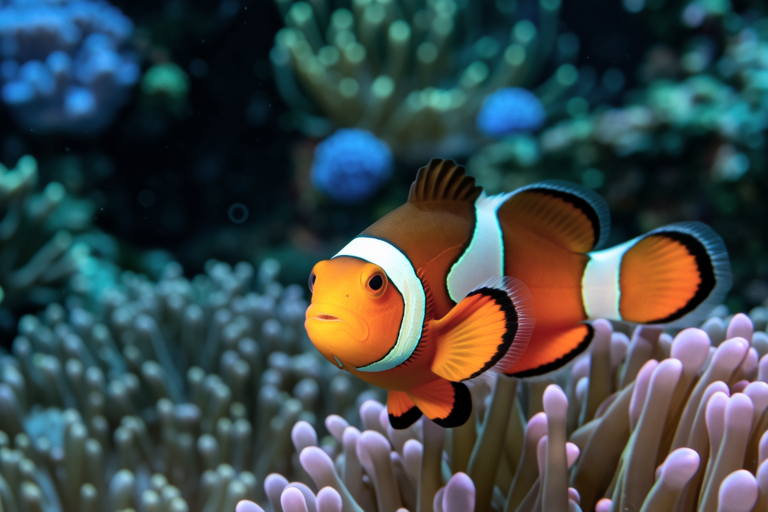
Contrary to what the big screen might suggest, clownfish (Amphiprioninae) live primarily in the warm waters of the Pacific and Indian Oceans, where they inhabit coral reefs. These ecosystems offer them shelter and abundant food sources. The most iconic feature of clownfish is their symbiotic relationship with sea anemones. This partnership is mutually beneficial, with the clownfish gaining protection from predators and the anemone receiving nutrients from the fish’s waste. The anemone’s tentacles, armed with stinging cells called nematocysts, provide a formidable defense against potential threats. Yet, the clownfish is immune to the anemone’s sting, thanks to a layer of mucus on their skin that the anemone does not recognize as a threat. In return, the clownfish’s movements help to circulate water around the anemone, bringing it more food and oxygen.
A Unique Lifecycle
One of the most intriguing aspects of clownfish biology is their unique lifecycle, particularly their ability to change sex. All clownfish are born male, and they live in groups of up to six individuals, with one female as the dominant member. If the female dies or leaves the group, the largest male will undergo a transformation, changing sex to become the new female. This process is known as sequential hermaphroditism, a rare phenomenon in the animal kingdom. This ensures the survival of the species by maintaining a stable breeding population within the group.
Facts vs. Myths
Despite their popularity, several myths persist about clownfish. One of the most widespread is the belief that they are completely immune to sea anemone stings. While it is true that their mucus provides some protection, this immunity is not absolute. Studies have shown that clownfish can still be affected by certain anemones, especially when stressed or weakened. Another misconception is that clownfish can survive outside their anemone hosts. While they can, they are less protected without their anemone partners, making them more vulnerable to predators.
Conservation Efforts and Threats
The conservation status of clownfish varies depending on the species. Some populations are stable, while others face significant threats due to habitat destruction, climate change, and overfishing. Coral reefs, the primary habitats of clownfish, are under severe pressure from human activities. Rising ocean temperatures and acidification caused by increased carbon dioxide levels in the atmosphere can harm the delicate balance of reef ecosystems. Protecting these environments is crucial for the survival of clownfish and countless other marine species.
Several organizations and initiatives are dedicated to preserving marine biodiversity. These efforts include coral reef restoration projects, sustainable fishing practices, and public awareness campaigns. By supporting these initiatives, we can help ensure that future generations can enjoy the beauty and wonder of clownfish and their habitats.
Pet Considerations
For those interested in keeping clownfish as pets, it’s essential to understand the responsibilities involved. Clownfish require specific conditions to thrive in captivity, including appropriate water temperature, salinity, and filtration systems. They also need adequate space and hiding spots to feel secure. It’s important to source clownfish from reputable breeders who practice ethical and sustainable methods. Avoid purchasing wild-caught clownfish, as this can contribute to overfishing and disrupt local ecosystems.
Additionally, consider the long-term commitment involved in caring for a clownfish. These fish can live up to 10 years or more, so providing consistent care and attention is vital. By educating yourself and ensuring you’re prepared for the responsibilities, you can enjoy the rewarding experience of having a clownfish as a pet while contributing positively to their conservation.
Conclusion
The hidden world of clownfish is filled with fascinating biology, complex behaviors, and important ecological roles. From their symbiotic relationships with sea anemones to their unique lifecycle and sex-changing abilities, these fish are truly remarkable creatures. By understanding the facts and debunking common myths, we can appreciate the true nature of clownfish and the challenges they face in their natural habitats. Through responsible pet ownership and supporting conservation efforts, we can help protect these beautiful fish and the ecosystems they call home.
