From Amazon to Aquarium: The Journey of an Exotic Arowana
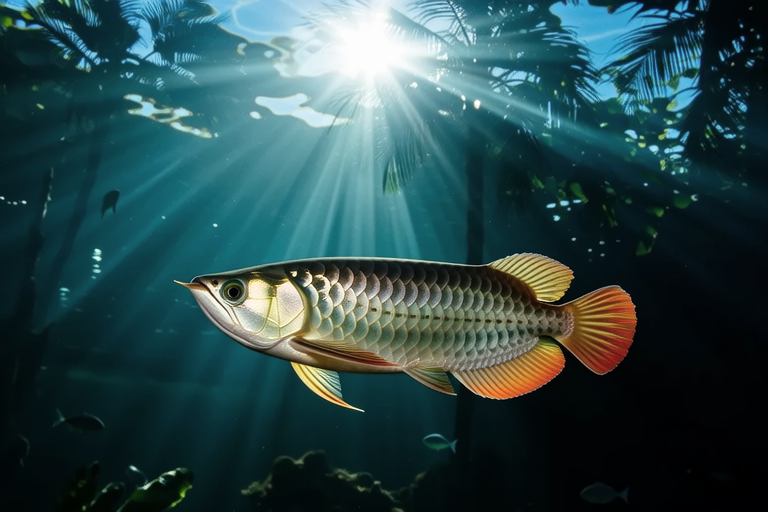
The arowana, often referred to as the dragon of the water, is one of the most sought-after and enigmatic creatures in the aquatic world. With its sleek, elongated body and shimmering scales, it exudes an air of ancient royalty and mystique that captivates the imagination of enthusiasts worldwide. This fish, native to the lush and diverse habitats of Southeast Asia and parts of South America, has been revered for centuries for its beauty and perceived mystical powers. Its journey from the wilds of the Amazon River to the controlled environment of an aquarium is a testament to the adaptability and resilience of nature.
The Natural Habitat of the Arowana
Nestled within the vast and complex ecosystem of the Amazon River, the arowana thrives in the warm, murky waters of tributaries and flooded forests. These rivers are teeming with life, providing the arowana with ample opportunities to hunt and hide. The Amazon’s dense vegetation, from floating plants to submerged roots, offers cover and camouflage for this predatory fish. The arowana is known for its ability to leap out of the water to catch insects and small birds, a behavior that has earned it the nickname ‘water monitor.’
In the wild, arowanas are highly territorial and aggressive, especially during breeding seasons. They employ various survival tactics to ensure their dominance over their territory. Their powerful jaws and sharp teeth are formidable weapons against potential threats or competitors. Additionally, their ability to breathe air using a modified swim bladder allows them to survive in low-oxygen environments, a crucial adaptation in the Amazon’s fluctuating water conditions.
Bringing the Arowana Home: Challenges and Considerations
Transitioning the arowana from its natural habitat to an aquarium environment presents numerous challenges. One of the primary concerns is the size of the tank required to accommodate the adult arowana, which can grow up to three feet long. A spacious tank, at least 300 gallons, is essential to provide adequate swimming space and mimic the fish’s natural riverine lifestyle.
Water quality is another critical factor. The Amazon’s water is rich in nutrients but relatively soft and acidic. Maintaining these parameters in an aquarium requires careful monitoring and adjustment. Regular water changes, the use of reverse osmosis systems, and the addition of peat moss to lower the pH level are some methods used to achieve the desired water conditions.
Dietary needs are also significant considerations. In the wild, arowanas are carnivorous, feeding primarily on insects, smaller fish, and crustaceans. In captivity, they require a diet rich in protein, including live or frozen foods like shrimp, feeder fish, and worms. Ensuring a balanced diet is crucial for their health and longevity.
Suitable Tank Conditions and Dietary Needs
To thrive in an aquarium, arowanas need a well-maintained habitat that closely mimics their natural environment. The tank should be equipped with robust filtration systems capable of handling large volumes of water efficiently. High-quality filters that promote water circulation and oxygenation are vital. Additionally, proper lighting is necessary to simulate day and night cycles, which help regulate the fish’s biological rhythms.
The tank decor should include plenty of hiding spots and open spaces for swimming. Driftwood, rocks, and live plants can create a natural and stimulating environment. However, care must be taken to ensure that any decorations are securely placed to prevent injury to the fish.
Arowanas are sensitive to stress, so minimizing disturbances during feeding and maintenance is important. Feeding should be done at consistent times, preferably early morning, to establish a routine that reduces stress levels. Overfeeding can lead to poor water quality and health issues, so it is crucial to feed them only what they can consume within a few minutes.
Common Health Issues and Preventive Measures
Despite their robust appearance, arowanas are susceptible to several health issues if not cared for properly. Parasitic infections, bacterial diseases, and fungal growth are common ailments that can affect these fish. Regular water testing and maintenance are key preventive measures. Water quality should be monitored for ammonia, nitrite, and nitrate levels, which can indicate the presence of harmful substances.
Signs of illness in arowanas may include lethargy, loss of appetite, discoloration, and erratic swimming patterns. Prompt action is necessary if any of these symptoms are observed. Quarantine tanks should be set up for new additions to the aquarium to prevent the spread of diseases. Professional veterinary care may be needed for severe cases, and antibiotics or antifungal treatments might be prescribed.
The Responsibilities and Rewards of Owning an Arowana
Owning an arowana is a significant responsibility that comes with substantial rewards. The bond between the aquarist and their fish can be deeply fulfilling. Watching the graceful movements of the arowana as it glides through the water is a mesmerizing experience. However, the commitment to maintaining optimal living conditions for the fish is non-negotiable.
It is crucial to approach the keeping of exotic species like the arowana with ethical considerations in mind. Sourcing fish from reputable breeders who adhere to sustainable practices is essential. Wild-caught specimens can suffer from stress and malnutrition during transport, and their removal from natural habitats can disrupt ecosystems. Supporting responsible breeding programs helps ensure the welfare of the fish and the preservation of their natural environments.
In conclusion, the journey of the arowana from the Amazon to the aquarium is a remarkable tale of adaptation and perseverance. By understanding and respecting the needs of this magnificent creature, aquarists can provide a safe and enriching home for their exotic pets. Embracing the challenges and responsibilities that come with ownership not only enhances the fish’s quality of life but also contributes to the broader conservation efforts for these fascinating species.
