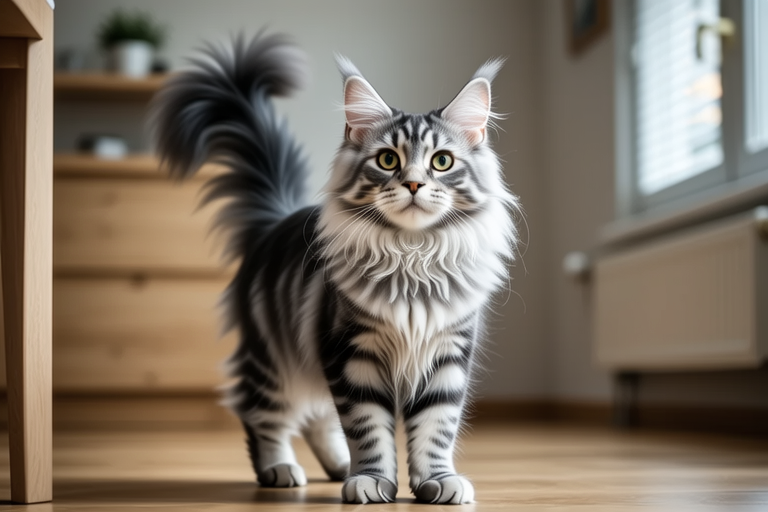
The Ultimate Guide to Caring for Your Maine Coon: Tips from Experts
Maine Coons are one of the most beloved cat breeds due to their friendly nature, intelligence, and striking appearance. Originating from the state of Maine, these large, gentle giants have a unique charm that makes them stand out among other cat breeds. Whether you’re a new owner or have had a Maine Coon for years, this guide will provide you with expert advice on how to care for your feline companion.
Nutrition: The Key to a Healthy Maine Coon
Feeding your Maine Coon the right diet is crucial for maintaining its overall health. Maine Coons require high-quality protein, which can be found in meat-based commercial foods like canned food or dry kibble. Avoid foods containing fillers such as corn, wheat, or soy, as these can lead to digestive issues. Consult with your veterinarian about the best diet for your cat’s age and activity level. Kittens need more frequent feeding compared to adult cats, while senior cats may benefit from lower-calorie diets.
Veterinarian Dr. Sarah Johnson advises, “It’s important to monitor your Maine Coon’s weight closely. Overweight cats are at risk for diabetes, arthritis, and other health problems. Regular weigh-ins and adjusting portion sizes accordingly can help prevent obesity.” She also recommends incorporating wet food into their diet to increase water intake, which can be beneficial for urinary tract health.
Grooming: Maintaining Your Maine Coon’s Coat
Maine Coons have thick, luxurious coats that require regular grooming to keep them healthy and free from mats. Brushing your cat at least once a week helps remove loose hair and prevents hairballs. Use a slicker brush or a wide-toothed comb for long-haired cats. During shedding seasons, which typically occur twice a year, you may need to brush your cat more frequently.
Cat groomer Emily Thompson suggests, “Start grooming sessions early when your kitten is young so they become accustomed to it. This will make it easier to maintain their coat throughout their life. Always use gentle strokes and offer treats as positive reinforcement during grooming sessions.”
In addition to brushing, bathing your Maine Coon is necessary every few months. Use a mild, pet-friendly shampoo and avoid getting water in their ears or eyes. Dry your cat thoroughly after the bath to prevent chills.
Health Care: Ensuring a Long and Happy Life
Regular veterinary check-ups are essential for keeping your Maine Coon healthy. Vaccinations, dental care, and parasite prevention are all part of routine healthcare. Maine Coons are prone to certain genetic conditions, including hypertrophic cardiomyopathy (HCM), hip dysplasia, and polycystic kidney disease (PKD). Early detection through regular screenings can significantly improve outcomes.
Dental hygiene is particularly important for Maine Coons. Tartar buildup can lead to gum disease and tooth loss. Brush your cat’s teeth daily using a pet-specific toothbrush and toothpaste. Alternatively, you can provide dental treats or toys designed to promote oral health.
Exercise Needs: Keeping Your Maine Coon Active
Maine Coons are playful and energetic, requiring plenty of physical activity to stay fit. Interactive toys, laser pointers, and puzzle feeders are great ways to stimulate their minds and bodies. These cats enjoy climbing and exploring, so providing tall cat trees or shelves can encourage natural behaviors. Consider adopting a second cat if your Maine Coon enjoys companionship.
Behavioral trainer Mark Davis notes, “Interactive play sessions are not only fun but also help build a strong bond between you and your cat. Aim for at least 15 minutes of playtime each day. This will help reduce boredom and stress, which can lead to destructive behaviors.”
Behavioral Training: Nurturing a Well-Behaved Companion
Maine Coons are known for their friendly and social personalities, making them excellent candidates for training. Positive reinforcement techniques, such as clicker training or offering treats as rewards, can teach your cat basic commands like ‘sit,’ ‘stay,’ or ‘come.’ Encourage good behavior by rewarding desired actions and redirecting unwanted ones.
Psychologist Dr. Lisa Green explains, “Consistency is key in training. Establish clear rules and boundaries from the beginning. For example, discourage jumping on counters by gently placing your cat down and offering an alternative perch nearby. Praise your cat when they follow the rules to reinforce positive behavior.”
Temperament: Understanding Your Maine Coon’s Personality
Maine Coons are affectionate, gentle, and patient, often described as ‘dog-like’ in their loyalty and playfulness. They enjoy human interaction and thrive in family environments. However, each cat has its own unique personality, so take time to understand your individual pet’s preferences.
Behavioral specialist Dr. Michael Lee adds, “Maine Coons tend to form strong bonds with their owners. They are intelligent and can learn to recognize their names, respond to simple commands, and even open doors! Providing mental stimulation through puzzles and interactive toys keeps them engaged and happy.”
Creating a Safe and Comfortable Environment
A safe and comfortable home environment is vital for your Maine Coon’s well-being. Cats prefer quiet areas where they can retreat when feeling overwhelmed. Provide multiple hiding spots, such as cardboard boxes or covered beds. Ensure all windows have secure screens to prevent accidents. Keep hazardous substances out of reach and consider using childproof locks on cabinets containing cleaning supplies or medications.
Environmental enrichment is equally important. Offer scratching posts, tunnels, and perches at various heights to mimic natural hunting and climbing behaviors. Rotate toys periodically to maintain interest. Some cats enjoy watching birds or fish through aquariums, while others appreciate window perches.
Conclusion: A Happy and Healthy Maine Coon
By following these expert tips, you can ensure your Maine Coon lives a long, healthy, and joyful life. Regular vet visits, proper nutrition, consistent grooming, and ample exercise contribute to their overall well-being. Understanding your cat’s temperament and providing mental stimulation fosters a strong bond between you and your pet. With love, patience, and care, your Maine Coon will bring years of companionship and joy to your home.
