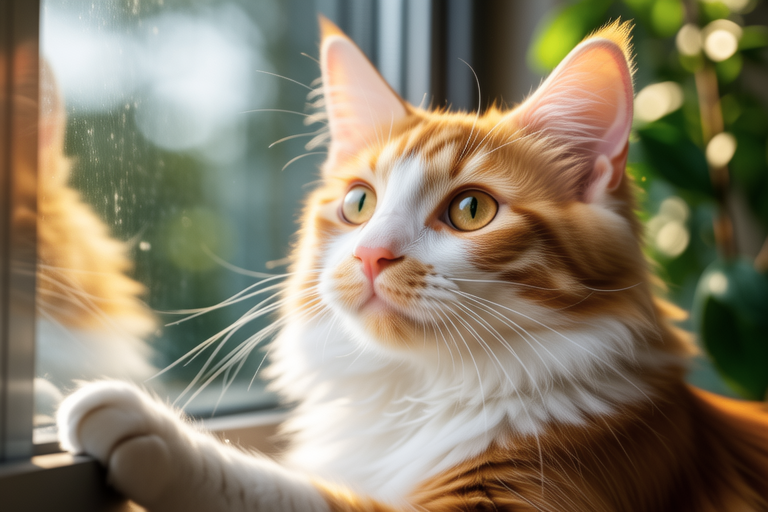
The Multifaceted World of Orange Cats
Orange cats have long captivated the hearts and imaginations of cat lovers worldwide. Their striking coloration and friendly demeanors make them one of the most recognizable and beloved breeds. However, beneath this familiar exterior lies a wealth of intriguing behaviors, genetic nuances, and cultural significance that often go unnoticed.
Genetic Factors Behind Their Coloration
The distinctive orange hue of these felines is primarily determined by genetics. Orange cats, also known as ginger or marmalade cats, owe their coloration to a dominant gene called O. This gene is responsible for producing the pigment phaeomelanin, which gives their fur its warm, vibrant tones. The intensity of the orange can vary from pale cream to deep auburn, depending on the specific combination of genes inherited.
Interestingly, the O gene is also linked to certain behavioral traits. Studies have shown that orange cats are more likely to exhibit bold and confident behavior compared to other colorations. This genetic link suggests that the same gene responsible for their striking appearance may also influence their temperament, making them more outgoing and social.
Popular Perceptions and Mysterious Behaviors
One of the most common perceptions about orange cats is their friendly and approachable nature. Many people believe that these felines are inherently affectionate and easy to bond with, making them ideal companions for families and individuals alike. Their bright, expressive eyes and playful demeanor contribute to this perception, creating an image of warmth and companionship.
However, there is more to orange cats than meets the eye. While many are indeed friendly and sociable, some exhibit more enigmatic and subtle behaviors. These cats can be fiercely independent, often preferring solitude over constant attention. They may display a quieter, more introspective side, especially when compared to their more extroverted counterparts. This duality challenges the stereotype of orange cats as purely affectionate and approachable, revealing a deeper complexity to their personalities.
Historical and Cultural Significance
Orange cats have played significant roles in various cultures throughout history. In ancient Egypt, cats were revered as sacred animals, and their association with the sun god Ra further elevated their status. The color orange, symbolizing warmth and energy, was often linked to these divine beings, reinforcing the mystique surrounding orange cats.
In European folklore, orange cats were sometimes associated with witchcraft and magic. Their striking appearance and enigmatic behaviors fueled tales of sorcery and enchantment, adding to their allure. Despite these negative connotations, orange cats continued to be cherished as beloved pets and symbols of good fortune in many households.
Anecdotes and Studies
Research has demonstrated the emotional intelligence and adaptability of orange cats. One notable study found that these felines excel in problem-solving tasks, displaying remarkable creativity and persistence. Their ability to navigate complex situations highlights their resourcefulness and resilience.
Anecdotal evidence supports these findings. Many owners report that their orange cats possess an uncanny ability to sense their emotions and offer comfort during times of stress. Their intuitive nature allows them to provide solace and support, forming deep bonds with their human companions. These stories illustrate the multifaceted nature of orange cats, showcasing both their nurturing and independent sides.
Conclusion: Sharing Your Experience
Orange cats are truly multifaceted companions, offering a unique blend of warmth, mystery, and adaptability. Whether you’re drawn to their striking appearance or intrigued by their enigmatic behaviors, there’s no denying the special place they hold in human culture. We invite you to share your experiences with orange cats, exploring the unique bonds formed between humans and these fascinating creatures.
From their genetic makeup to their cultural significance, orange cats continue to captivate and inspire. By sharing your stories, we can further celebrate the diversity and richness of these extraordinary felines, fostering a deeper understanding and appreciation for their complex and endearing nature.
