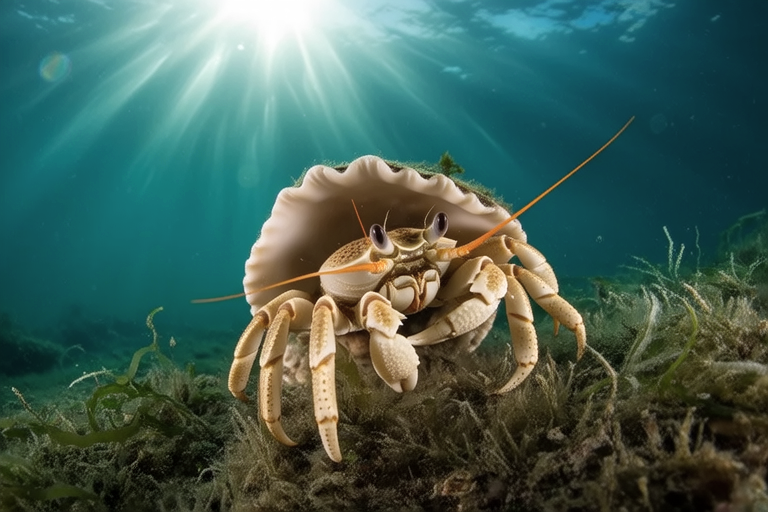
The Intricate World of Pea Crabs: Symbiotic Marvels of the Marine Realm
In the vast and mysterious underwater world, there exists a peculiar creature that has captured the attention of marine biologists for decades: the pea crab. These diminutive crustaceans, named for their resemblance to the humble garden pea, have an extraordinary relationship with their hosts, primarily bivalves such as mussels and sea urchins. This article delves into the fascinating world of pea crabs, exploring their symbiotic relationships, unique adaptations, and the significant role they play in marine ecosystems.
The Pea Crab’s Hosts: A Diverse Array of Bivalves
Pea crabs are known for their ability to live inside the bodies of bivalves, which serve as both their homes and food sources. The most common hosts include mussels, oysters, scallops, and sea urchins. The crabs find their way into the soft tissue of these bivalves through the siphons, which are used by the bivalves for respiration and feeding. Once inside, they settle down and begin their unique lifestyle, sharing the same space with their hosts.
The choice of host is crucial for pea crabs, as it determines their survival and reproductive success. Some species of pea crabs have evolved to specialize in certain types of bivalves, while others are more generalist and can inhabit a variety of hosts. For instance, Pinnixa faba, a species found in the Pacific Northwest, prefers to reside within the shells of mud snails rather than bivalves, showcasing the diversity of pea crab habitats.
A Mutualistic Relationship: Benefits for Both Parties
The relationship between pea crabs and their bivalve hosts is a classic example of mutualism, where both parties benefit from the association. For the pea crabs, the bivalves provide a safe haven from predators and a steady supply of food. By living inside their hosts, pea crabs are protected from larger marine creatures that might otherwise prey upon them. Additionally, they gain access to the nutrients produced by their hosts, such as detritus and plankton filtered from the water.
In return, pea crabs offer their hosts several advantages. They help clean the gills of their hosts, removing debris and parasites that could impede respiration. This cleaning process not only improves the overall health of the bivalves but also enhances their ability to filter feed, leading to better growth and reproduction rates. Furthermore, some studies suggest that the presence of pea crabs may deter potential predators of the bivalves, providing an additional layer of protection.
Unique Adaptations for a Life Inside Bivalves
The ability of pea crabs to thrive within the confines of bivalves is a testament to their remarkable evolutionary adaptations. One of the most striking features of these crustaceans is their small size, which allows them to fit comfortably within the limited space provided by their hosts. On average, pea crabs measure only a few millimeters in length, making them one of the smallest crabs in the world.
In addition to their petite stature, pea crabs have developed specialized feeding techniques that enable them to extract maximum nutrition from their environment. Their mouthparts are highly adapted for scraping and filtering, allowing them to consume the detritus and plankton that flow through the bivalve’s respiratory system. This efficient feeding mechanism ensures that pea crabs can obtain sufficient nutrients without competing directly with their hosts for food.
Another adaptation that facilitates the symbiotic relationship between pea crabs and their hosts is their flattened body shape. This morphology allows them to move easily within the confined spaces of bivalves and reduces the risk of damaging the delicate tissues of their hosts. Moreover, pea crabs possess a thin exoskeleton, which further minimizes the likelihood of causing harm to their hosts.
The Impact of Pea Crab Symbiosis on Marine Biodiversity
The symbiotic relationship between pea crabs and their bivalve hosts plays a significant role in maintaining the balance of marine ecosystems. By promoting the health and productivity of their hosts, pea crabs contribute to the overall biodiversity of marine environments. Healthy bivalves, in turn, support numerous other organisms, creating a ripple effect throughout the ecosystem.
For instance, bivalves are essential components of coastal ecosystems, where they act as natural filters, improving water quality and clarity. The presence of pea crabs enhances the efficiency of this filtration process, leading to cleaner and more vibrant aquatic habitats. In addition, healthy bivalve populations provide vital nursery grounds for fish and other marine organisms, contributing to the sustainability of fisheries and recreational activities.
Moreover, the symbiotic relationship between pea crabs and their hosts has implications for the broader marine food web. As pea crabs feed on detritus and plankton, they recycle nutrients within the ecosystem, ensuring that these resources are available to other organisms. This nutrient cycling process is particularly important in nutrient-poor environments, where the availability of organic matter is limited.
Challenges Facing Pea Crabs in Changing Ocean Environments
Despite their adaptability and importance in marine ecosystems, pea crabs face numerous challenges in today’s rapidly changing ocean environments. One of the most pressing issues is climate change, which is altering the physical and chemical properties of seawater. Rising temperatures, increased acidity, and changes in salinity can have profound effects on the physiology and behavior of pea crabs and their hosts.
Warmer waters may lead to increased metabolic rates in pea crabs, placing greater demands on their energy reserves. This could result in reduced growth and reproduction rates, ultimately affecting population sizes. Similarly, increased acidity levels can interfere with the ability of bivalves to form and maintain their calcium carbonate shells, compromising the structural integrity of their hosts and, consequently, the living spaces of pea crabs.
Anthropogenic activities, such as pollution and habitat destruction, also pose significant threats to pea crabs and their hosts. Chemical pollutants, such as heavy metals and persistent organic pollutants, can accumulate in the tissues of bivalves, potentially harming both the hosts and the pea crabs that reside within them. Habitat destruction, particularly the loss of intertidal and subtidal zones, can reduce the availability of suitable hosts for pea crabs, further impacting their populations.
To address these challenges, it is crucial to adopt a multifaceted approach that combines conservation efforts, research, and public awareness. Protecting critical habitats, reducing pollution, and mitigating the impacts of climate change are essential steps toward safeguarding the future of pea crabs and their symbiotic relationships. Additionally, ongoing research into the biology and ecology of pea crabs will provide valuable insights into their resilience and adaptability, informing conservation strategies and management practices.
Conclusion: A Fascinating Yet Often Overlooked Aspect of Marine Life
The world of pea crabs is a testament to the complexity and wonder of marine ecosystems. These tiny crustaceans, with their unique adaptations and symbiotic relationships, play a vital role in maintaining the health and balance of their environments. By living inside bivalves, pea crabs not only secure their own survival but also contribute to the well-being of their hosts and the broader marine community.
As we continue to explore and understand the intricacies of marine life, it is essential to recognize the significance of pea crabs and their symbiotic relationships. By doing so, we can develop effective strategies to protect these fascinating creatures and the ecosystems they inhabit, ensuring the continued prosperity of our oceans for generations to come.
