Meet the Rare and Exquisite Hotot Rabbit: A Complete Care Guide
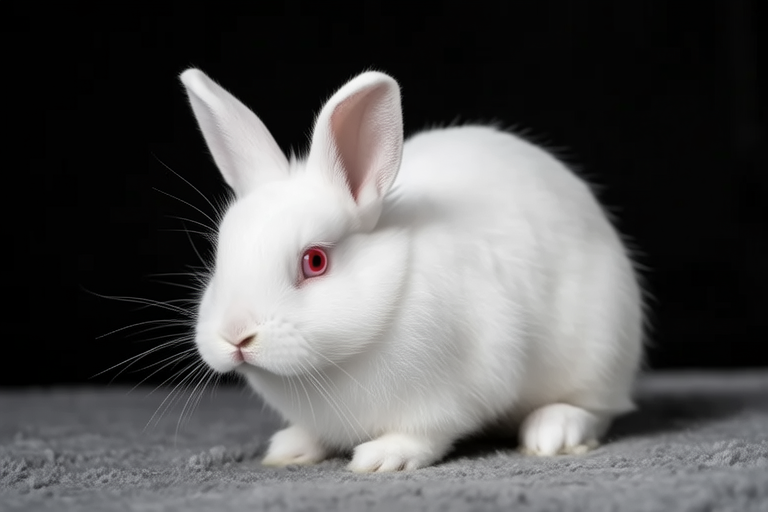
The Hotot rabbit is a rare breed known for its striking appearance and exquisite beauty. Originating from France, this breed has captured the hearts of many with its unique white fur adorned with a dark ring around each eye, resembling a pair of mascara-rimmed eyes. The Hotot’s rarity makes it a fascinating addition to any rabbit enthusiast’s collection, but it also comes with specific care requirements that must be met to ensure the rabbit’s well-being.
Dietary Needs
Proper nutrition is crucial for the health and longevity of your Hotot rabbit. Their diet should primarily consist of high-quality hay, which should make up about 70% to 80% of their daily intake. Timothy hay is particularly recommended due to its low calcium content, which helps prevent urinary tract problems common in rabbits. Pellets should be provided in limited quantities to avoid obesity; aim for approximately 1/4 cup per 6 pounds of body weight per day. Fresh vegetables, such as romaine lettuce, spinach, and parsley, can be offered in small amounts as treats. Always introduce new foods gradually to prevent digestive upset.
Housing Requirements
Adequate housing is essential for keeping your Hotot rabbit happy and healthy. An indoor cage or hutch with ample space for movement is ideal. The cage should measure at least 3 feet by 4 feet for one adult rabbit, providing enough room for exercise and play. Ensure the cage has solid flooring to prevent sore hocks, a condition caused by wire-bottomed cages. Provide soft bedding like straw or shredded paper for comfort and warmth. The living environment should be clean, dry, and well-ventilated. Regular cleaning of the cage is necessary to maintain hygiene and prevent illness.
Grooming Tips
The Hotot rabbit’s short, dense coat requires minimal grooming but still benefits from regular attention. Brushing once or twice a week will help remove loose hairs and distribute natural oils throughout the fur, enhancing its shine. During shedding season, more frequent brushing may be necessary to prevent hairballs. Bathing is generally unnecessary unless the rabbit becomes excessively dirty. If bathing is required, use a gentle, pet-safe shampoo and ensure thorough rinsing to avoid skin irritation. Pay special attention to the delicate areas around the eyes and ears during grooming sessions.
Common Health Issues
Despite their robust constitution, Hotot rabbits can be prone to certain health issues. Dental problems are common in rabbits due to their continuously growing teeth. Providing plenty of hay encourages gnawing, which naturally wears down teeth. Regular veterinary check-ups are important to monitor dental health. Gastrointestinal stasis, where food stops moving through the digestive system, can occur if rabbits do not eat enough fiber. Signs include reduced appetite and lethargy. Prompt treatment by a veterinarian is necessary. Other concerns include respiratory infections, often triggered by poor ventilation or overcrowding, and obesity, which can lead to various health complications.
Interacting and Training Your Hotot Rabbit
Hotot rabbits are intelligent and social animals that enjoy interaction with their human companions. Early socialization is key to building a strong bond. Spend time handling your rabbit gently and consistently to help it become comfortable with human touch. Positive reinforcement training methods work best with rabbits. Reward desired behaviors with treats or praise to encourage repetition. Teaching simple commands, such as coming when called or sitting on command, can enhance the bond between you and your rabbit. Interactive toys and puzzles can keep your rabbit mentally stimulated and prevent boredom, which can lead to destructive behavior.
The Commitment Required for Owning a Hotot Rabbit
Owning a Hotot rabbit involves a significant commitment. These rabbits require daily attention, including feeding, cleaning, and playtime. They thrive on routine and consistency, so establishing a regular schedule for these activities is beneficial. Financially, expect ongoing costs for food, bedding, toys, and veterinary care. Regular visits to a rabbit-savvy veterinarian are important for preventive healthcare and addressing any health concerns promptly. Consider the long-term commitment, as Hotot rabbits can live up to 10 years with proper care. This level of dedication ensures that your Hotot rabbit enjoys a fulfilling and healthy life.
In conclusion, the Hotot rabbit is a beautiful and unique companion that demands careful consideration before adoption. By understanding their dietary needs, housing requirements, grooming tips, and common health issues, you can provide your Hotot rabbit with the best possible care. With patience, love, and attention, you’ll form a deep bond with this charming creature, making every moment spent together truly rewarding.
