Hotot Rabbits: A Comprehensive Guide for Pet Owners
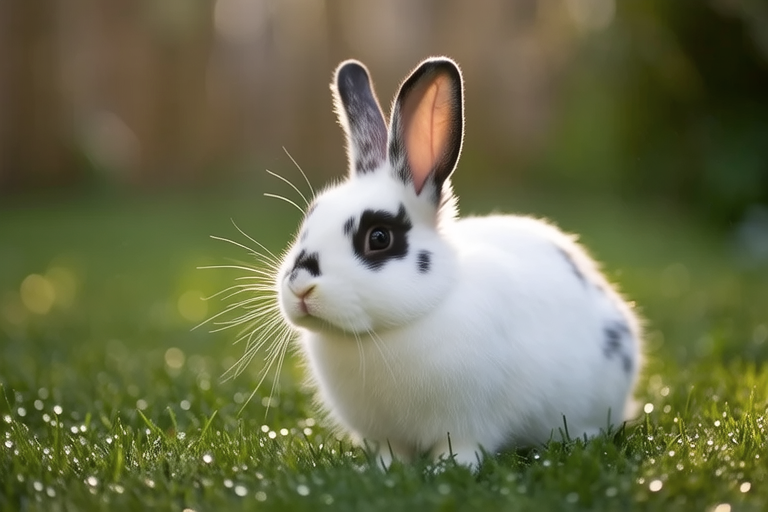
The Hotot is a breed of rabbit known for its striking appearance and unique characteristics. With their pure white coats and signature black eye-rings, these rabbits have captured the hearts of many. This guide will delve into the origins, appearance, behaviors, dietary needs, housing requirements, and general care tips for Hotot rabbits, providing everything you need to know about these delightful creatures.
Origin and History
The Hotot rabbit originated in France at the beginning of the 20th century. French breeder Madame E. de Carbonniere sought to create a rabbit with a completely white coat and dark rings around its eyes. By crossbreeding the white Deutscher Kleiner and the black-eyed white Beveren, she succeeded in developing the Hotot breed. The first litter was born in 1912, and the breed was officially recognized by the American Rabbit Breeders Association (ARBA) in 1978.
Distinctive Appearance
The most recognizable feature of the Hotot is its stunning white fur, which is dense and silky. The black eye-rings, which appear as early as six weeks of age, are a result of a recessive gene that causes the skin around the eyes to produce melanin. These eye-rings are fully formed by the time the rabbit reaches adulthood. Despite their striking appearance, the black eye-rings can sometimes fade with age or due to stress, but they typically return once the rabbit is relaxed.
Unique Characteristics
Hotots are small to medium-sized rabbits, with adult females weighing between 4 and 6 pounds and males slightly heavier at 5 to 7 pounds. Their bodies are compact and well-proportioned, with strong legs and a short, broad head. They are known for their gentle and docile temperament, making them excellent companions for families and individuals alike. However, they can be somewhat shy and may require time to warm up to new people.
Care Requirements
Diet
Like all rabbits, Hotots thrive on a diet rich in hay, fresh vegetables, and a limited amount of pellets. Timothy hay is particularly beneficial for their digestive health, while leafy greens such as romaine lettuce, kale, and parsley provide essential vitamins and minerals. It’s important to introduce new foods gradually to prevent digestive upset. Avoid feeding them iceberg lettuce, as it has little nutritional value and can cause diarrhea. Additionally, ensure they always have access to clean, fresh water.
Housing Needs
Proper housing is crucial for the well-being of Hotot rabbits. Indoor living is ideal, especially for smaller breeds like the Hotot, as it provides a safe environment free from predators and extreme weather conditions. If kept outdoors, ensure their hutch is secure, well-insulated, and protected from the elements. The hutch should be large enough to allow the rabbit to move freely and stretch out fully. Provide a soft bedding material, such as straw or shredded paper, to make the environment comfortable. Regular cleaning of the hutch is necessary to maintain hygiene and prevent illness.
Behavior
Hotot rabbits are generally calm and easygoing, enjoying quiet environments where they can relax and explore. They are social animals and benefit from interaction with their human companions. Providing toys and activities can help keep them mentally stimulated and prevent boredom. Toys such as chew sticks, tunnels, and balls can be great additions to their environment. Hotots also enjoy digging, so providing a sandbox or a digging area within their enclosure can satisfy this natural behavior.
Transition from Farm Animals to Popular Pets
Originally bred for their meat and fur, Hotot rabbits have become increasingly popular as pets due to their attractive appearance and gentle nature. Their transition from farm animals to beloved companions has been gradual, driven by the growing awareness of their suitability as family pets. Many people are drawn to the Hotot’s distinctive look and charming personality, making them a favorite among rabbit enthusiasts.
Common Health Issues
While Hotot rabbits are generally hardy, they can be prone to certain health issues. One of the most common problems is dental disease, which can occur if their diet lacks sufficient roughage. Regular dental check-ups by a veterinarian experienced in rabbit care can help prevent or manage this issue. Another concern is obesity, which can lead to various health problems, including heart disease and joint issues. Ensuring a balanced diet and ample exercise opportunities can help maintain a healthy weight.
Maintaining a Healthy Environment
To keep your Hotot rabbit healthy and happy, it’s important to provide a stimulating and enriching environment. Regular grooming can help keep their coat in top condition and prevent matting. Gently brush their fur with a soft bristle brush or a slicker brush to remove loose hair and distribute natural oils. Additionally, monitor their behavior for any signs of discomfort or illness, such as lethargy, loss of appetite, or changes in bathroom habits. Early detection and treatment of health issues can significantly improve outcomes.
Tips for Potential Owners
If you’re considering adding a Hotot rabbit to your family, there are several factors to keep in mind. First, ensure you’re prepared to commit to their long-term care, as rabbits can live for 8 to 12 years. Research local veterinarians who specialize in exotic pets to find reliable healthcare providers. Additionally, familiarize yourself with rabbit behavior and communication to understand their needs better. Finally, consider joining a rabbit club or community to connect with other owners and share experiences and advice.
Conclusion
Hotot rabbits are a delightful addition to any household, offering a unique combination of beauty and charm. With proper care and attention, these gentle creatures can provide years of joy and companionship. Whether you’re a seasoned rabbit owner or a first-time pet parent, understanding their origins, appearance, behaviors, and care requirements can help ensure a happy and healthy life for your Hotot rabbit.
