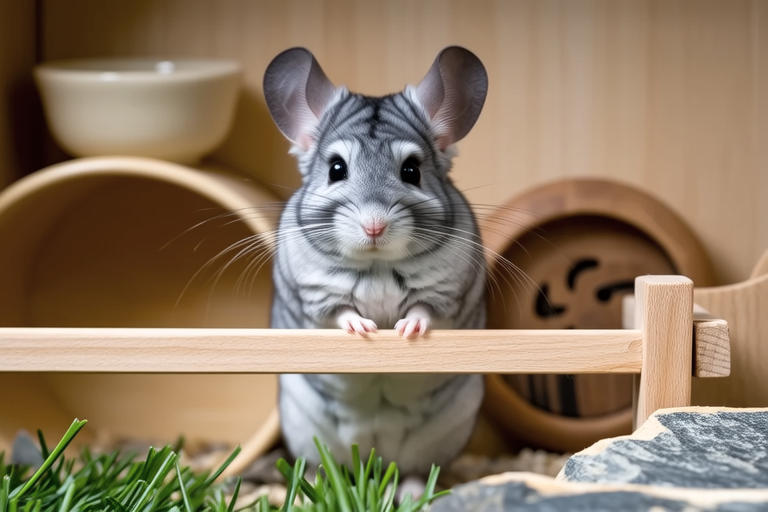
Chinchilla Care Hacks Every Pet Owner Should Try
Welcome to the fascinating world of chinchillas! These small, fluffy creatures are not just cute; they’re also unique pets that require specific care. Originating from the Andes Mountains in South America, chinchillas have become increasingly popular among pet owners for their soft fur, playful nature, and charming personalities. However, their delicate constitution means they need attentive and informed care. This guide will provide you with essential hacks to ensure your chinchilla thrives in its new home.
Diet Tips: Nourishing Your Chinchilla’s Health
A balanced diet is crucial for your chinchilla’s well-being. Their digestive systems are sensitive, so it’s important to feed them high-quality hay, fresh water, and a limited amount of pellets specifically formulated for chinchillas. Timothy hay is preferred due to its low calcium content, which helps prevent urinary tract issues common in small animals. Supplementing their diet with fresh vegetables like carrots or leafy greens can be beneficial but should be given sparingly to avoid digestive upset. Always introduce new foods gradually to monitor your chinchilla’s reaction.
Water is vital for your chinchilla’s health. They prefer cool temperatures, and providing a water bottle with a metal ball bearing tip ensures clean drinking water while preventing spillage. Regularly check the bottle for clogs or leaks to keep your pet hydrated.
Habitat Optimization: Creating the Perfect Environment
Your chinchilla’s living space should mimic its natural environment as closely as possible. A spacious cage with multiple levels encourages climbing and exercise, essential for their physical health. Wire flooring prevents bumblefoot (a painful condition caused by constant pressure on hard surfaces), but add soft bedding areas for resting. Aspen shavings or paper-based products are safe substrates, whereas pine or cedar shavings may cause respiratory problems.
Temperature control is critical since chinchillas are highly susceptible to heat stress. Maintain room temperatures between 64°F and 70°F (18°C to 21°C). Avoid direct sunlight and drafts, and provide hiding spots within the cage for security. Ventilation is key, so ensure good airflow without making the cage drafty.
Grooming Hacks: Maintaining Fluffy Fur
Chinchillas have incredibly dense fur that requires special care. Dust baths are essential for maintaining their coat’s cleanliness and shine. Provide a shallow container filled with chinchilla dust twice weekly for about 10 minutes at a time. Monitor your pet during these sessions to ensure safety and enjoyment.
Trimming nails is necessary but can be challenging. Invest in nail clippers designed for small animals, and always have styptic powder on hand to stop bleeding if accidentally cut too short. Regular handling builds trust, making this task easier. Brushing your chinchilla gently with a soft-bristled brush helps remove loose hairs and distribute natural oils throughout the coat.
Health Maintenance Shortcuts: Keeping Your Chinchilla Happy and Healthy
Regular veterinary check-ups are vital for early detection of health issues. Look for signs of illness such as lethargy, loss of appetite, or changes in fecal consistency. Spaying or neutering your chinchilla reduces the risk of reproductive cancers and can improve behavior. Consult your vet about appropriate vaccinations and parasite prevention.
Mental stimulation is equally important. Provide toys that encourage chewing, digging, and exploration. Rotate toys periodically to maintain interest. Chewing is a natural behavior that keeps teeth healthy and minds engaged. Offer untreated wooden blocks, cardboard tubes, or even empty toilet paper rolls for safe chewing options.
Fun Enrichment Activities: Keeping Your Chinchilla Entertained
Interactive playtime strengthens the bond between you and your chinchilla. Supervised out-of-cage time allows them to explore their surroundings safely. Create obstacle courses using tunnels and platforms to stimulate their curiosity and agility. Use treats as rewards to reinforce positive behaviors during training sessions.
Teaching simple tricks like coming when called or sitting up on command enhances communication and mental engagement. Positive reinforcement techniques using small pieces of favorite food work best. Patience is key, so take breaks if your chinchilla shows signs of fatigue or disinterest.
The Importance of Patience and Love
Raising a chinchilla is rewarding but comes with responsibilities. Each chinchilla has its own personality and needs. Be patient when introducing new routines or environments. Spend quality time together daily to build trust and strengthen your relationship. With proper care, attention, and love, your chinchilla will thrive and bring joy into your life for many years.
