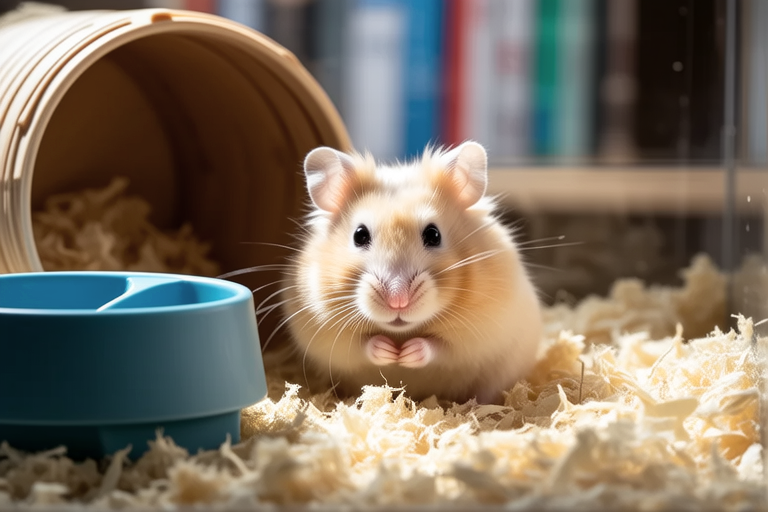
How to Create an Ideal Habitat for Your Golden Hamster
Golden hamsters are small, charming creatures that make delightful pets. To ensure your pet leads a healthy and happy life, it’s important to create an ideal habitat that meets their physical and emotional needs. This article will guide you through various aspects of setting up the perfect home for your golden hamster, from choosing the right cage to providing the necessary care.
Suitable Cage Size and Type
The first step in creating an ideal habitat for your golden hamster is selecting an appropriate cage. The cage should be large enough to allow your hamster to move around freely without feeling cramped. A minimum size of 800 square inches (approximately 48×16 inches) is recommended for a single adult hamster. If you have multiple hamsters, you’ll need a larger space to accommodate all of them comfortably.
When it comes to the type of cage, there are several options available:
- Aquariums: These are often used for housing hamsters due to their durability and ease of cleaning. However, they lack ventilation, which can lead to poor air quality if not properly managed.
- Wire Cages: These cages provide excellent ventilation but may not offer the same level of protection against drafts as aquariums. Ensure that the wire spacing is small enough to prevent your hamster from escaping or getting injured.
- Cubed Cages: These are modular systems that can be customized to fit specific needs. They offer good ventilation and flexibility in terms of layout.
Regardless of the cage type you choose, make sure it has a secure lid or door to prevent escapes. Additionally, provide plenty of vertical space, as hamsters enjoy climbing.
Bedding Materials
The choice of bedding material is crucial for your hamster’s comfort and health. Opt for dust-free, absorbent, and soft bedding that mimics their natural environment. Some popular choices include:
- Paper-based Bedding: Made from recycled paper, this type of bedding is hypoallergenic and easy to clean.
- Wood Shavings: Cedar and pine shavings are not recommended due to their potential to cause respiratory issues. Instead, opt for aspen wood shavings, which are safer for your hamster.
Ensure the bedding is at least two to three inches deep to allow your hamster to burrow and nest. Change the bedding regularly to maintain hygiene and prevent odors.
Proper Lighting Conditions
Hamsters are nocturnal animals, meaning they are most active during the night. Therefore, they don’t require direct sunlight or artificial light during the day. In fact, excessive exposure to bright lights can disrupt their sleep patterns and cause stress.
To mimic their natural environment, provide your hamster with a dark, quiet area during the day where they can rest undisturbed. At night, you can use a dim red light or a low-wattage nightlight to check on your hamster without disturbing their sleep.
Temperature Control
Maintaining a stable temperature is essential for your hamster’s well-being. The ideal temperature range for a hamster’s habitat is between 65°F and 75°F (18°C to 24°C). Avoid placing the cage near windows, radiators, or air conditioning units, as these areas can experience extreme temperature fluctuations.
If necessary, use a thermometer to monitor the temperature within the cage. In colder environments, you can provide additional warmth by placing a heating pad under one side of the cage. However, ensure the heating pad does not directly touch the cage floor to prevent burns.
Essential Toys and Accessories for Mental Stimulation
Providing mental stimulation is just as important as physical comfort for your hamster. Hamsters are intelligent and curious creatures that thrive when given opportunities to explore and play. Here are some toys and accessories that can help keep your hamster mentally engaged:
- Tunnels: Hamsters love to burrow and explore. Provide tunnels made of plastic, cardboard, or fabric for them to crawl through.
- Exercise Wheel: A solid-surface exercise wheel allows your hamster to run and stay physically active. Ensure the wheel is large enough to prevent injury to their back legs.
- Burrowing Boxes: These boxes provide a cozy space for your hamster to hide and sleep. They can be filled with additional bedding for extra comfort.
- Puzzle Feeders: These toys challenge your hamster to retrieve treats, stimulating their problem-solving skills.
Rotate toys periodically to keep your hamster interested and engaged. Providing variety helps prevent boredom and promotes a healthier lifestyle.
Safe and Nutritious Food Options
A balanced diet is key to maintaining your hamster’s health. Commercial hamster pellets formulated specifically for their nutritional needs are an excellent base for their diet. These pellets typically contain a mix of seeds, grains, and vitamins essential for their growth and development.
In addition to pellets, you can offer fresh vegetables and fruits as occasional treats. Safe options include:
- Carrots
- Celery
- Broccoli
- Apples (without seeds)
- Strawberries
Avoid feeding your hamster foods that are harmful to them, such as chocolate, caffeine, citrus fruits, and raw beans. Fresh water should always be available to prevent dehydration.
Clean Water Supply
Regular Cleaning Routines
Maintaining a clean living environment is vital for your hamster’s health. Establish a regular cleaning schedule to remove waste, replace soiled bedding, and disinfect the cage. Here’s how to proceed:
- Daily: Remove any uneaten food, soiled bedding, and droppings from the cage. Wipe down the water bottle or bowl and refill with fresh water.
- Weekly: Thoroughly clean the entire cage using mild soap and warm water. Rinse well and allow it to dry completely before replacing the bedding and accessories.
- Monthly: Disinfect the cage using a pet-safe disinfectant to eliminate bacteria and viruses.
When handling your hamster, wear gloves and wash your hands thoroughly afterward to prevent the spread of germs.
Tips for Ensuring a Stress-Free Environment
Creating a stress-free environment is crucial for your hamster’s overall well-being. Here are some tips to help minimize stress:
- Provide hiding spots: Hamsters feel more secure when they have places to hide. Burrowing boxes and tunnels can serve this purpose.
- Establish a consistent routine: Hamsters thrive on predictability. Feed them at the same time each day and avoid sudden changes in their environment.
- Limit handling: While it’s important to interact with your hamster, excessive handling can be stressful. Allow them time to acclimate to their surroundings before picking them up.
- Avoid loud noises: Loud noises can startle your hamster and cause stress. Keep the area around their cage quiet and calm.
By following these guidelines, you can create a peaceful and comfortable environment for your hamster.
The Importance of a Consistent Daily Routine
Hamsters are creatures of habit and benefit greatly from a consistent daily routine. Feeding them at the same time each day helps regulate their metabolism and digestion. It also provides a sense of security and predictability, reducing anxiety.
In addition to feeding, establish a regular schedule for cleaning the cage, playing with your hamster, and observing their behavior. This routine will help you notice any changes in their health or behavior early on, allowing you to address potential issues promptly.
Creating an ideal habitat for your golden hamster requires attention to detail and a commitment to their well-being. By providing a spacious cage, appropriate bedding, proper lighting, temperature control, mental stimulation, a balanced diet, clean water, and a stress-free environment, you can ensure your hamster lives a long, healthy, and happy life. With the right care and attention, your golden hamster will become a cherished member of your family.
