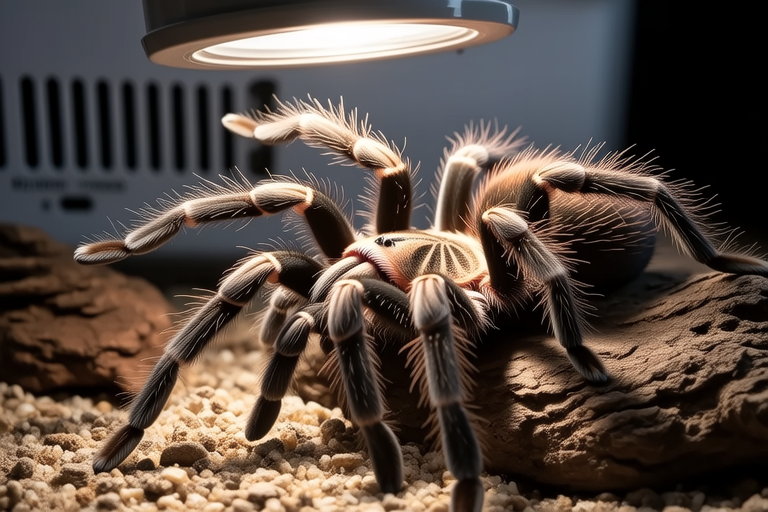
How to Choose the Perfect Habitat for Your Chilean Rose Tarantula
The Chilean rose tarantula (Grammostola rosea) is one of the most popular pet tarantulas due to its docile nature and manageable size. However, providing the right habitat is crucial for ensuring your pet’s health and happiness. This comprehensive guide will walk you through the essential aspects of creating an optimal living environment for your Chilean rose tarantula.
Choosing the Right Enclosure Size
The first step in setting up the perfect habitat is selecting the appropriate enclosure. A 10-gallon aquarium or a similar-sized tank is suitable for an adult Chilean rose tarantula. Juveniles can be housed in smaller containers, but they should be upgraded as they grow. Ensure the enclosure has a secure lid with ventilation holes to prevent escapes while allowing air circulation.
Selecting the Ideal Substrate
The substrate you choose for your tarantula’s enclosure plays a vital role in maintaining humidity and providing a natural environment. Coconut fiber, peat moss, and organic potting soil are excellent choices. These materials retain moisture and provide a suitable burrowing medium. Avoid using cedar or pine shavings, as they may cause respiratory issues. Maintain a depth of about 3-4 inches to allow your tarantula to dig and create burrows.
Maintaining Optimal Temperature and Humidity Levels
Chilean rose tarantulas thrive in a warm and moderately humid environment. The ideal temperature range is between 78°F and 85°F (25°C to 29°C). Use a heat mat or under-tank heater to maintain consistent warmth at one end of the enclosure, creating a thermal gradient. Place a thermometer at both ends to monitor temperature variations.
Humidity levels should be kept around 60-70%. Mist the substrate lightly once or twice a week to achieve this level. A hygrometer can help you monitor humidity accurately. Ensure there is no standing water in the enclosure to prevent mold growth.
Ensuring Proper Ventilation
Adequate ventilation is essential for preventing the buildup of harmful ammonia from waste products. While it’s important to have ventilation, avoid drafts that could chill your tarantula. Mesh lids with small holes or screen covers work well, allowing for proper airflow without compromising security.
Providing Hiding Spots and Decor Elements
Chilean rose tarantulas are nocturnal and prefer hiding during the day. Incorporate cork bark, driftwood, or commercially available hide boxes to give your pet ample hiding spots. Arrange these items so they do not block the ventilation or heating source. Additionally, adding live or artificial plants can enhance the aesthetic appeal and provide further shelter.
Safety Measures to Prevent Escapes
To prevent your tarantula from escaping, ensure all enclosure openings are securely covered. Check the fit of the lid regularly, as tarantulas can push against it over time. Using silicone sealant around the edges can provide extra security. Additionally, avoid handling your tarantula unless necessary, as stress can lead to aggressive behavior.
Care Tips and Potential Health Issues
Regularly clean the enclosure by removing waste and replacing the substrate every few months. Inspect your tarantula periodically for signs of illness, such as lethargy, loss of appetite, or abnormal leg movements. Common health issues include mites and molting complications. If you notice any concerning symptoms, consult a veterinarian specializing in exotic pets.
Molting is a natural process where the tarantula sheds its exoskeleton. During this time, your pet will become less active and may refuse food. Ensure the humidity level remains high to facilitate smooth molting. After molting, the new exoskeleton will be soft and vulnerable. Avoid disturbing your tarantula during this period.
Conclusion
Creating the perfect habitat for your Chilean rose tarantula involves careful consideration of enclosure size, substrate choice, temperature and humidity control, ventilation, hiding spots, and safety measures. By following these guidelines, you can provide a comfortable and stimulating environment that mimics their natural surroundings. Remember, the well-being of your pet depends on your commitment to maintaining a clean and healthy habitat. With proper care, your Chilean rose tarantula will thrive and bring joy to your home.
