Lesser-Known Tarantula Species: Uncovering Unique Characteristics
Tarantulas are fascinating creatures, often misunderstood due to their intimidating appearance. While the Brazilian wandering spider and Mexican redknee tarantula are well-known, there’s a vast array of lesser-known species that offer a wealth of interesting traits and behaviors. These spiders come in various shapes, sizes, and colors, each adapted to its environment in unique ways. In this article, we will explore six lesser-known tarantula species, highlighting their distinctive features, habitats, behaviors, and what makes them stand out from the more common varieties.
1. The Pinkfooted Tarantula (Avicularia avicularia)
The pinkfooted tarantula, native to Trinidad and Tobago, is a striking arachnid with long, slender legs that are pinkish in color, contrasting sharply with its dark brown body. This arboreal species prefers to live in trees, unlike the ground-dwelling Mexican redknee tarantula. It has an excellent climbing ability, thanks to specialized hairs on its feet called setae, which help it adhere to smooth surfaces. The pinkfooted tarantula is known for its docile nature, making it a popular choice among beginners in the hobby of keeping tarantulas as pets. Its defensive strategy involves flicking urticating hairs at potential threats rather than biting.
2. The Chilean Rose Hair Tarantula (Grammostola rosea)
The Chilean rose hair tarantula, found in the deserts of Chile, Argentina, and Peru, is a robust spider with a dusty rose-colored carapace and dark brown legs. This species is highly adaptable and can thrive in a wide range of temperatures, from warm to cool environments. Unlike the more aggressive Brazilian wandering spider, the Chilean rose hair tarantula is generally calm and easy to handle, making it a favorite among novice tarantula enthusiasts. It is also known for its ability to produce a silk nest, which it uses for protection and breeding purposes.
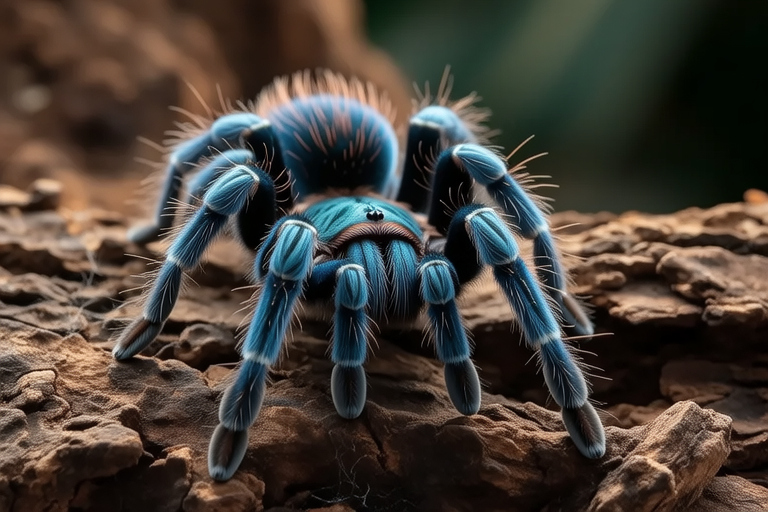
3. The Cobalt Blue Tarantula (Hapalopus sp.)
The cobalt blue tarantula, native to Southeast Asia, is a rare and stunning species with a deep blue hue that sets it apart from other tarantulas. This burrowing spider prefers to live underground in tropical rainforests, creating complex tunnel systems to protect itself from predators and harsh weather conditions. The cobalt blue tarantula is less common in the pet trade compared to the more accessible Mexican redknee tarantula, but its unique coloration and behavior make it a sought-after species for experienced collectors. It is also known for its impressive size, with some individuals reaching up to 8 inches in leg span.
4. The Gooty Sapphire Ornamental Tarantula (Poecilotheria metallica)
The Gooty sapphire ornamental tarantula, found in India, is a captivating species with a vibrant blue and orange color pattern. This arboreal spider lives in trees and rock crevices, using its strong legs and sharp claws to navigate its environment. Unlike the ground-dwelling Brazilian wandering spider, the Gooty sapphire ornamental tarantula is highly active and quick-moving, making it a challenge to keep in captivity. Its venomous bite can be dangerous to humans, so it is not recommended for inexperienced handlers. However, its striking appearance and unique behavior make it a highly desirable species for advanced collectors.
5. The Guyana Flagman Tarantula (Psalmopoeus victoriicorona)
The Guyana flagman tarantula, native to Guyana, is a large and impressive species with a bright red cephalothorax and black abdomen. This arboreal spider prefers to live in trees and rock formations, using its powerful legs to climb and jump. The Guyana flagman tarantula is known for its aggressive temperament, making it a challenging species to handle. It is also a prolific spinner, creating intricate webs to catch prey and protect its territory. Compared to the more docile Chilean rose hair tarantula, the Guyana flagman tarantula requires more space and careful handling in captivity.
6. The Greenbottle Blue Tarantula (Chromatopelma cyaneopubescens)
The greenbottle blue tarantula, native to Venezuela, is a medium-sized spider with a metallic blue-green coloration that shimmers under light. This burrowing species prefers to live in sandy soils, creating shallow tunnels near the surface. Unlike the more aggressive Brazilian wandering spider, the greenbottle blue tarantula is relatively calm and easy to handle, making it a popular choice among experienced tarantula enthusiasts. It is also known for its unique defensive strategy, which involves rearing up on its hind legs and displaying its fangs to intimidate potential threats. This behavior is less commonly seen in other tarantula species.
Why Learn About Lesser-Known Tarantula Species?
Exploring lesser-known tarantula species offers enthusiasts and novices alike a chance to expand their knowledge and appreciation of these fascinating creatures. By learning about the unique characteristics of each species, we can gain a deeper understanding of their biology, ecology, and conservation needs. Additionally, studying these spiders can inspire new research and conservation efforts, helping to protect these remarkable animals and their habitats for future generations. Whether you’re a seasoned tarantula keeper or just starting your journey, there’s always something new to discover about these incredible creatures.
