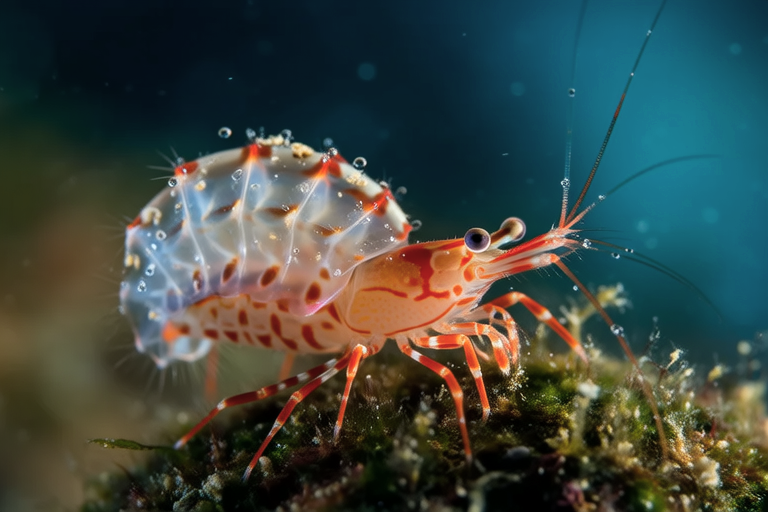
The Ultimate Guide to Feeding and Caring for Your Coral Shrimp
Introduction to Coral Shrimp:
Coral shrimp, also known as peppermint shrimp or Lysmata wurdemanni, are fascinating and popular additions to many marine aquariums. These small crustaceans are highly sought after for their unique appearance and beneficial role in keeping coral reefs clean. With their vibrant red and white stripes, they add a splash of color to any tank. However, caring for these shrimp requires a bit of knowledge and dedication. This guide will walk you through everything you need to know about feeding and caring for your coral shrimp.
Dietary Needs of Coral Shrimp:
Coral shrimp are omnivores, meaning they eat both plant-based and animal-based foods. In the wild, they primarily feed on detritus, algae, and small microorganisms. In captivity, it’s important to replicate this diet as closely as possible to ensure optimal health. A well-balanced diet will help them thrive and contribute positively to your tank’s ecosystem.
Suitable Foods for Coral Shrimp:
To meet their dietary needs, coral shrimp can be fed a variety of foods. Algae wafers, blanched vegetables like spinach or zucchini, and high-quality fish food flakes are excellent choices. Additionally, they enjoy brine shrimp, which can be purchased frozen or live. Providing a mix of these options ensures that they receive all necessary nutrients. It’s also crucial to offer them occasional treats such as vitamin supplements specifically formulated for aquatic animals.
Feeding Schedules for Coral Shrimp:
Establishing a consistent feeding schedule is key to maintaining your shrimp’s health. Feed them once or twice daily, depending on their activity level and size. Overfeeding should be avoided, as excess food can lead to water quality issues. Start by offering small portions and gradually increase until you observe that all food is consumed within a few minutes. Monitor their behavior during feeding times; if they seem overly aggressive or stressed, adjust the amount accordingly.
Habitat Requirements for Coral Shrimp:
Aquarium size plays a significant role in providing adequate space for your coral shrimp. While they don’t require extensive swimming areas, they do need hiding spots and ample surface area for grazing. A minimum tank size of 10 gallons is recommended, but larger tanks allow more room for exploration and natural behaviors. Decorate the tank with rocks, caves, and driftwood to mimic their natural environment, encouraging them to explore and feel secure.
Water Parameters for Coral Shrimp:
Maintaining proper water conditions is essential for the well-being of coral shrimp. They prefer slightly warmer temperatures between 72°F and 78°F (22°C – 26°C). The pH level should range from 8.1 to 8.4, simulating tropical reef environments. Salinity levels should be kept stable at around 1.023 to 1.025 specific gravity. Regular testing using reliable test kits is advised to monitor these parameters regularly. Perform partial water changes weekly to remove waste products and maintain cleanliness.
Tank Setup Tips for Coral Shrimp:
Creating an ideal habitat involves several steps beyond just setting up the physical structure of the tank. First, choose appropriate lighting that mimics natural sunlight without causing excessive heat buildup. Avoid placing the tank near windows where direct sunlight could cause temperature fluctuations. Install efficient filtration systems capable of handling biological, mechanical, and chemical filtration processes. Consider adding live rock or sand substrate to promote beneficial bacteria growth and create additional hiding spaces.
Common Health Issues in Coral Shrimp:
Despite being generally hardy creatures, coral shrimp can encounter certain health problems. One common issue is molting difficulties, where they struggle to shed their exoskeleton due to nutritional deficiencies or poor water quality. Signs include lethargy, pale coloration, and difficulty moving. Another concern is parasitic infections, which may manifest as white spots on the body or abnormal behavior. Prompt action is necessary when noticing any unusual symptoms, consulting with a veterinarian specializing in aquatic life for diagnosis and treatment.
Signs of a Healthy Coral Shrimp:
Observing your shrimp regularly helps identify potential issues early on. Healthy coral shrimp exhibit vibrant colors, active movement patterns, and clear eyes. They should also have smooth shells without any signs of damage or discoloration. Regularly check for injuries caused by tank mates or sharp objects within the enclosure. If you notice any irregularities, take immediate steps to address the underlying cause.
Breeding Information for Coral Shrimp:
While breeding coral shrimp isn’t typically pursued by hobbyists, understanding basic reproductive habits can enhance care practices. Females carry eggs under their abdomen until they hatch into larvae. Providing optimal living conditions increases the likelihood of successful reproduction. However, most hobbyists focus on maintaining single specimens rather than attempting to breed them.
Advice on Maintaining Their Environment:
Continuous monitoring and maintenance are vital for sustaining a healthy environment for your coral shrimp. Regularly inspect equipment such as heaters, filters, and lighting fixtures to ensure they function correctly. Keep track of water chemistry through routine testing, adjusting parameters as needed. Encourage natural behaviors by offering varied hiding spots and food sources. By prioritizing these aspects, you’ll provide a supportive habitat conducive to longevity and well-being.
