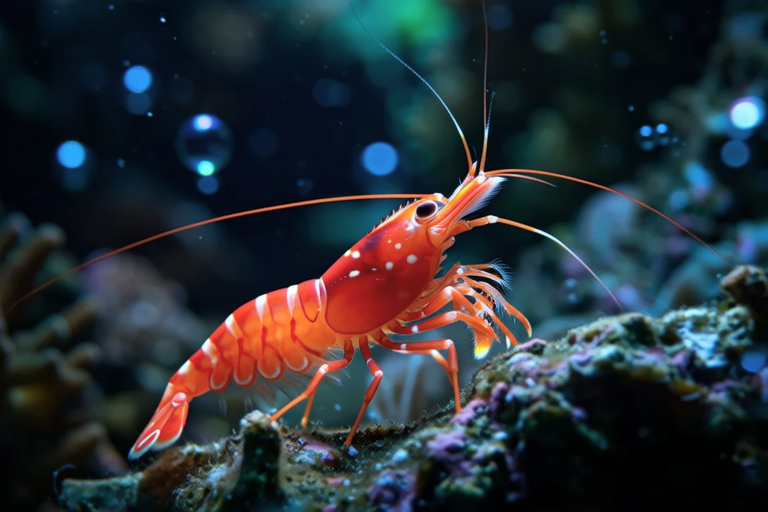
From Ocean Depths to Aquariums: The Journey of Coral Shrimp
Introduction: Unique Characteristics of Coral Shrimp in Their Natural Habitats
Coral shrimp, with their vibrant colors and intricate patterns, are some of the most captivating creatures found in the ocean’s depths. These small crustaceans are known for their striking red, orange, and blue hues, which serve as camouflage against the vivid coral reefs they inhabit. Found primarily in tropical and subtropical waters, coral shrimp play a crucial role in maintaining the health and balance of their marine ecosystems.
One of the most remarkable features of coral shrimp is their ability to form symbiotic relationships with various species of coral. This partnership not only benefits the shrimp but also aids in the overall health of the reef. Coral shrimp are known to clean algae from the coral surfaces, ensuring that the coral remains healthy and free from harmful growths. In return, the coral provides shelter and protection for the shrimp, creating a mutually beneficial relationship that has evolved over millions of years.
The Role of Coral Shrimp in Marine Ecosystems
The symbiotic relationship between coral shrimp and their coral hosts is just one aspect of their ecological significance. Coral shrimp are also important contributors to nutrient cycling within the reef environment. By feeding on microorganisms and detritus, they help break down organic matter, facilitating the recycling of nutrients throughout the ecosystem. This activity supports the growth of other organisms, including fish and invertebrates, that rely on the reef for sustenance.
In addition to their direct interactions with coral, coral shrimp also play a role in attracting other marine life to the reef. Their bright colors and active movements can draw predators and prey alike, contributing to the biodiversity of the area. This dynamic interplay helps maintain the delicate balance of the marine ecosystem, ensuring its resilience in the face of environmental challenges.
Challenges Facing Coral Shrimp Due to Environmental Changes and Human Activities
Despite their ecological importance, coral shrimp face numerous threats in their natural habitats. One of the primary challenges is climate change, which has led to increased water temperatures and more frequent coral bleaching events. As corals bleach, they expel the symbiotic algae (zooxanthellae) that provide them with nutrients, leading to their eventual death if conditions do not improve. Without their coral hosts, coral shrimp lose their primary source of food and shelter, placing their survival at risk.
Human activities such as overfishing, pollution, and destructive fishing practices further exacerbate the threats to coral shrimp populations. Fishing gear like trawls and dynamite fishing can physically damage reefs, destroying the habitats that coral shrimp depend on. Additionally, pollution from agricultural runoff and coastal development introduces harmful chemicals and excess nutrients into the water, leading to algal blooms that smother and kill corals.
Sustainable Collection and Breeding for Aquariums
To address the challenges faced by coral shrimp in the wild, many aquarists and hobbyists are turning to sustainable collection and breeding practices. Ethical collection involves harvesting shrimp from areas where populations are healthy and abundant, ensuring that the removal of individuals does not negatively impact the local ecosystem. This approach often includes working with local communities to support sustainable fishing practices and promote conservation efforts.
Breeding coral shrimp in captivity offers another solution to the problem of over-collection from the wild. Advances in aquaculture have made it possible to raise shrimp in controlled environments, providing a steady supply of healthy specimens for the aquarium trade. This not only reduces pressure on wild populations but also allows for the development of new strains with desirable traits, such as coloration and size.
Adaptation to Aquarium Life and Care Tips for Owners
Once in an aquarium, coral shrimp quickly adapt to their new environment. However, proper care is essential to ensure their well-being. A well-maintained tank with clean water, appropriate filtration, and a balanced diet is crucial for their health. Coral shrimp thrive in tanks with live rock, providing them with hiding places and surfaces to graze on algae.
Feeding coral shrimp is relatively simple, as they are omnivorous and will consume a variety of foods. In addition to algae, they can be fed commercially available shrimp pellets, frozen foods, and blanched vegetables. It is important to provide a varied diet to ensure they receive all necessary nutrients. Regular water changes and monitoring of water parameters are also key to maintaining a healthy environment for your shrimp.
The Benefits of Keeping Coral Shrimp as Pets
Keeping coral shrimp as pets offers numerous benefits for aquarium enthusiasts. Their vibrant colors and active behavior make them a visually appealing addition to any tank. Additionally, their role in maintaining tank cleanliness by grazing on algae can reduce the need for manual cleaning, saving time and effort for the owner.
Moreover, caring for coral shrimp can foster a deeper appreciation for marine life and encourage responsible pet ownership. Many hobbyists who keep coral shrimp become advocates for conservation efforts, promoting awareness about the challenges facing marine ecosystems and the importance of protecting coral reefs.
Conclusion: Conservation Efforts and Responsible Pet Ownership
The journey of coral shrimp from the ocean depths to aquariums highlights the complex relationship between humans and marine life. While there are challenges to overcome, sustainable collection and breeding practices offer hope for the preservation of these fascinating creatures. By supporting ethical practices and taking responsibility for our pets, we can contribute to the conservation of coral shrimp and the broader marine ecosystem.
Ultimately, the key to preserving coral shrimp both in their natural habitats and in homes lies in collective action. From reducing our carbon footprint to advocating for stronger environmental policies, each of us has a role to play in ensuring the survival of these beautiful creatures. By doing so, we can enjoy the beauty and wonder of coral shrimp for generations to come.
