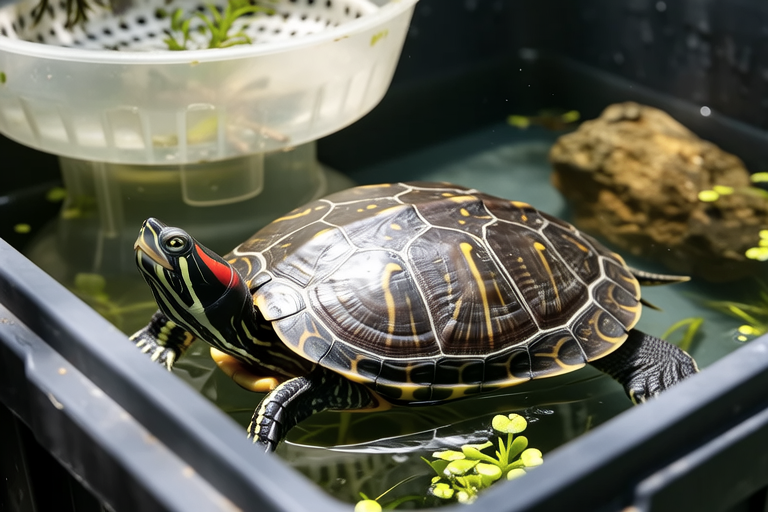
A Complete Guide to Setting Up the Perfect Habitat for Your Red-Eared Slider
Red-eared sliders are popular aquatic turtles known for their vibrant green coloration and distinctive red stripes behind their eyes. Providing them with a suitable habitat is crucial for their health and well-being. This guide will walk you through setting up the perfect home for your red-eared slider, covering tank size, water quality, temperature and lighting, filtration systems, substrate, basking areas, diet, and common health issues.
Choosing an Appropriate Tank Size
The first step in setting up your red-eared slider’s habitat is selecting the right tank size. Juvenile sliders require at least 40 gallons of space, but as they grow, so does their need for space. Adult red-eared sliders need a minimum of 120 gallons. The rule of thumb is that for every inch of shell length, the turtle requires ten gallons of water. A larger tank allows more swimming room and helps maintain better water quality.
Water Quality Maintenance
Water quality is paramount for your red-eared slider’s health. Regular water changes are necessary to remove waste products and toxins. Aim for partial water changes of about 20% weekly and complete changes monthly. Use a dechlorinator to neutralize harmful chemicals like chlorine and chloramine found in tap water. Test kits can help monitor ammonia, nitrite, and nitrate levels, ensuring these stay within safe limits.
Temperature and Lighting Requirements
Red-eared sliders are ectothermic, meaning they rely on external heat sources to regulate their body temperature. Maintain water temperatures between 75°F and 80°F (24°C to 27°C) using submersible heaters. Basking areas should reach around 90°F (32°C). UVB lighting is essential for vitamin D synthesis and calcium absorption. A full-spectrum UVB lamp should be provided for 10-12 hours daily, mimicking natural sunlight.
Filtration Systems
An effective filtration system is vital for maintaining clean water. Choose a filter that can handle at least four times the volume of your tank per hour. Canister filters or sump systems work well due to their high flow rates and ability to trap fine particulates. Regular cleaning and maintenance of the filter ensure optimal performance.
Substrate Options
Substrate choices can affect water quality and your turtle’s health. Avoid substrates like gravel, sand, or small pebbles, which can be ingested accidentally. Instead, opt for bare-bottom tanks or large, smooth rocks that are too big to swallow. These reduce the risk of impaction and make cleaning easier.
Basking Area Setup
A proper basking area is crucial for your turtle’s health. It should be large enough for the turtle to fully extend its limbs and neck. Use a flat rock or custom-built platform that extends above the water level. Ensure the basking area is heated to the ideal temperature using a heat lamp. Position it so that the turtle can easily move from water to land.
Diet Considerations
Red-eared sliders are omnivores, feeding on both plant matter and animal protein. Their diet should consist of 25-30% protein and 70-75% vegetables and fruits. Offer a variety of foods including commercial turtle pellets, leafy greens, and occasional treats like earthworms or mealworms. Feed young turtles daily, reducing frequency to every other day as they mature.
Common Health Issues to Watch For
Despite your best efforts, red-eared sliders may still face health issues. Shell rot, respiratory infections, and metabolic bone disease are common problems. Signs include lethargy, loss of appetite, swollen eyes, or soft spots on the shell. Regular veterinary check-ups and prompt attention to any unusual behavior are key to early detection and treatment.
Creating a healthy environment for your red-eared slider involves careful planning and consistent care. By following this guide, you’ll provide your pet with the best possible living conditions, ensuring a long and happy life.
