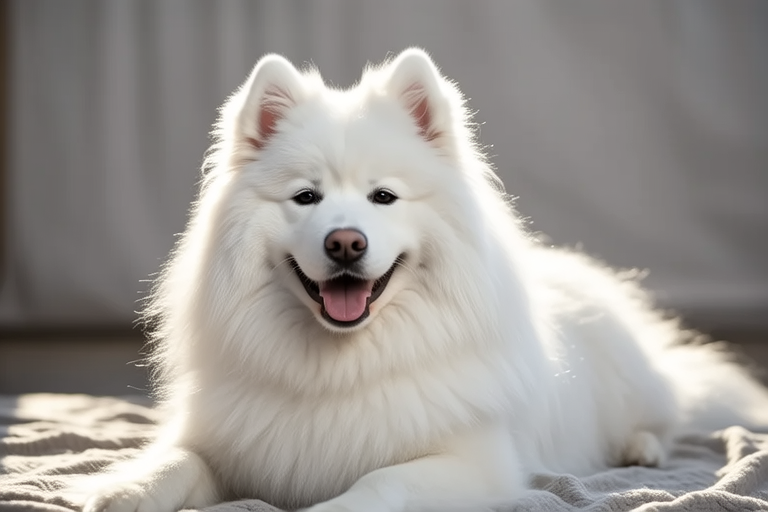
The Secret Behind the Samoyed’s Famous Smile
The Samoyed is a breed that has captured the hearts of dog lovers worldwide with its striking white coat and an ever-present, seemingly joyful expression. This iconic smile is one of the breed’s most recognizable features, but what exactly makes it so special? In this article, we will delve into the history, temperament, and physical traits of the Samoyed that contribute to their famous smile, as well as explore some fascinating scientific insights behind it.
A Brief History of the Samoyed
The Samoyed breed has a rich history dating back thousands of years, originating from the harsh and frigid regions of Siberia. The nomadic Samoyede people, after whom the breed is named, relied on these dogs for survival. Samoyeds were used for herding reindeer, pulling sleds, and providing warmth due to their thick, insulating coats. Their companionship was also invaluable, and they became integral members of the Samoyede families.
These dogs were first brought to England in the late 19th century by Arctic explorers who were impressed by their endurance and loyalty. From there, the breed spread across the globe, eventually making its way to North America. Today, the Samoyed is recognized by kennel clubs around the world and is cherished for its beauty, intelligence, and affectionate nature.
The Unique Physical Traits Contributing to the Smile
One of the key factors contributing to the Samoyed’s famous smile is its facial structure. Unlike many other breeds, Samoyeds have a slightly upturned mouth, which gives them a perpetual grin. This trait is not just a coincidence; it is a result of selective breeding over centuries. The Samoyede people chose dogs with this particular trait because it made them more approachable and easier to handle, especially during long journeys.
In addition to their facial structure, Samoyeds possess a unique set of teeth that further enhances their smile. They have a characteristic gap between their front teeth, known as a scissors bite. This gap, combined with their upturned mouth, creates the illusion of a permanent, toothy grin. However, it’s important to note that this gap does not cause any health issues and is considered a desirable feature in the breed.
The Samoyed’s expressive eyes also play a role in their smile-like appearance. Large, dark brown eyes framed by long, feathery eyebrows give them an endearing and almost human-like expression. When combined with their upturned mouth and gap-toothed grin, these features create a face that is often described as both adorable and captivating.
The Role of Temperament in the Samoyed’s Smile
Beyond their physical attributes, the Samoyed’s temperament is another crucial factor in their famous smile. Known for their gentle, affectionate, and playful nature, Samoyeds are often described as the “smiling ambassadors” of the canine world. Their natural friendliness and eagerness to please make them excellent companions for families and individuals alike.
Samoyeds are highly social animals and thrive on human interaction. They enjoy being part of family activities and are known for their loyalty and protectiveness towards their loved ones. This innate sociability is reflected in their facial expressions, which often appear to be smiling even when they are simply resting or lounging around. Their cheerful demeanor seems to radiate from within, creating an impression of constant happiness.
One anecdote that illustrates the Samoyed’s friendly nature comes from a family who adopted a Samoyed puppy named Bella. According to the family, Bella’s smile was contagious, and she quickly became the center of attention at home. “Every time we came through the door, Bella would greet us with her signature grin,” said Sarah, the owner. “It was impossible not to feel happy around her.” Stories like these highlight how the Samoyed’s smile can bring joy and warmth to those around them.
Scientific Insights Behind the Samoyed’s Smile
While the Samoyed’s smile may seem purely cosmetic, there is actually a scientific explanation behind it. Research suggests that the breed’s facial structure and genetic makeup contribute to their distinctive appearance. Studies have shown that certain genes responsible for facial morphology are associated with the upturned mouth and gap-toothed grin seen in Samoyeds.
Moreover, the Samoyed’s smile-like expression may serve an evolutionary purpose. In the wild, animals with more expressive faces tend to be better at communicating with their pack members. This ability to convey emotions through facial expressions could have been advantageous for the Samoyede people’s dogs, helping them work more effectively as a team.
Behavioral scientists also believe that the Samoyed’s smile-like appearance may be a form of social signaling. By presenting themselves as friendly and approachable, Samoyeds are more likely to receive positive interactions from humans and other animals. This theory aligns with the breed’s history as a working dog, where cooperation and communication were essential for survival.
Training and Care Tips for Samoyed Owners
For those considering adding a Samoyed to their family, understanding the breed’s unique characteristics is essential for providing proper care and training. While Samoyeds are generally easygoing and eager to please, they require consistent training and socialization to ensure they become well-behaved pets.
Early socialization is particularly important for Samoyeds, as they are naturally curious and friendly. Exposing them to various environments, people, and other animals from a young age helps them develop confidence and good manners. Positive reinforcement techniques, such as treats and praise, are effective tools for training Samoyeds. These dogs respond well to rewards and are quick learners when motivated by positive feedback.
Grooming is another area that requires attention, given the Samoyed’s thick, luxurious coat. Regular brushing is necessary to prevent matting and keep the fur healthy. Bathing should be done sparingly, as frequent washing can strip the coat of its natural oils. Additionally, maintaining good dental hygiene is important, as the breed is prone to dental issues due to their unique tooth structure.
Celebrating the Samoyed’s Smile
The Samoyed’s famous smile is much more than just a physical trait; it is a reflection of the breed’s rich history, friendly temperament, and unique genetic makeup. Whether they are posing for a photograph or simply lounging in the sun, Samoyeds have an undeniable charm that captures the hearts of all who encounter them.
As we continue to learn more about the science behind their smile, it becomes clear that this breed’s expression is a product of both nature and nurture. Their upturned mouths, gap-toothed grins, and expressive eyes combine to create a face that is truly one-of-a-kind. And while the reasons behind their smile may be complex, the effect is simple: happiness.
Whether you’re a seasoned dog lover or new to the world of canines, the Samoyed’s smile is sure to bring a smile to your face. So next time you see a Samoyed, take a moment to appreciate the secret behind their famous grin – and maybe even share a few laughs along the way.
