Unraveling the Mystery Behind the Fascinating Behavior of Rajah Cichlid
The world of freshwater fish is rich with diverse species, each possessing unique characteristics that make them stand out. Among these, the Rajah cichlid (Aequidens rivulatus) has captured the attention of many aquarists due to its striking appearance and intriguing behavior. This article delves into the fascinating world of Rajah cichlids, exploring their physical traits, natural habitat, behavior patterns, common myths, and essential care tips for aquarium enthusiasts.
Unique Characteristics: Appearance and Natural Habitat
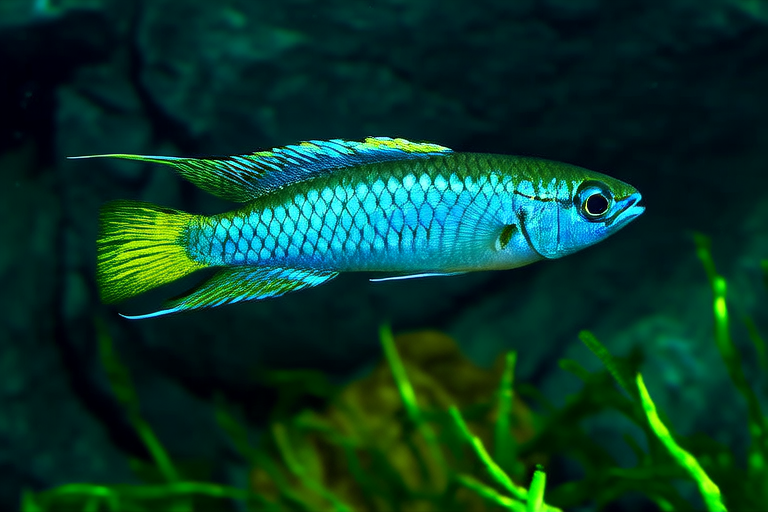
Rajah cichlids are known for their vibrant coloration, which ranges from iridescent blue to deep green, depending on lighting conditions. Males typically display more intense colors compared to females, making them a visual treat in any aquarium setup. These fish have elongated bodies with a prominent dorsal fin, adding to their aesthetic appeal. Their eyes are large and expressive, giving them a curious and alert demeanor.
Naturally, Rajah cichlids inhabit the rivers and streams of South America, particularly in regions like Guyana and Brazil. They prefer environments with dense vegetation, rocky substrates, and moderate water flow. The pH levels in their native habitats usually range between 6.5 and 7.5, with temperatures around 75°F to 82°F (24°C to 28°C). Understanding these environmental preferences is crucial for replicating their natural conditions in captivity.
Behavior Patterns: Feeding Habits, Breeding Behaviors, and Social Interactions
Rajah cichlids exhibit distinct feeding habits that reflect their omnivorous diet. In the wild, they primarily feed on insects, small crustaceans, and plant matter. In captivity, they can be fed a variety of commercial foods such as pellets, flakes, and frozen or live foods like brine shrimp and bloodworms. Ensuring a balanced diet is vital for maintaining their health and vibrant colors.
Breeding Rajah cichlids is a complex yet rewarding process. They are substrate spawners, meaning they lay eggs on flat surfaces such as rocks or plates. Both parents take an active role in caring for the eggs and fry. The female typically lays around 200 to 300 eggs, which are then fertilized by the male. Afterward, both parents guard the eggs until they hatch, usually after three to five days. Once hatched, the fry remain under parental protection for several weeks, during which time they consume infusoria and later move on to larger food particles.
Social interactions within the aquarium setting reveal the territorial nature of Rajah cichlids. While they can coexist peacefully with other similarly sized species, they tend to establish clear hierarchies and defend specific territories. Providing ample hiding spots and caves in the tank helps reduce aggression among individuals. Additionally, ensuring adequate space for each fish is essential to prevent stress and promote harmonious living.
Myths and Misconceptions: Scientific Insights and Expert Opinions
One common myth about Rajah cichlids is that they require extremely soft water to thrive. However, research indicates that while they prefer slightly acidic water, they can adapt to a broader range of water conditions than previously thought. A study published in the Journal of Freshwater Biology found that Rajah cichlids maintained good health in water with pH levels up to 7.8, provided other parameters were optimal.
Another misconception is that these fish are aggressive towards all tank mates. While it’s true that Rajah cichlids can be territorial, they generally coexist well with non-aggressive species of similar size. Experts recommend pairing them with robust fish that can hold their own in terms of size and temperament. For instance, combining them with robust tetras or peaceful barbs can create a balanced community tank.
Tips for Aquarium Owners: Ensuring a Healthy and Stimulating Environment
To ensure the well-being of Rajah cichlids, aquarium owners should focus on creating a suitable habitat. A tank of at least 55 gallons is recommended for a pair of Rajah cichlids, providing enough space for swimming and establishing territories. Incorporating driftwood, rocks, and plants mimics their natural environment and offers hiding spots for stress relief.
Maintaining proper water quality is paramount. Regular water changes and the use of efficient filtration systems help keep ammonia, nitrite, and nitrate levels in check. Testing the water weekly ensures early detection of any imbalances. Additionally, ensuring a stable temperature and pH level contributes to the overall health of the fish.
Feeding Rajah cichlids a varied diet not only supports their nutritional needs but also stimulates their natural behaviors. Offering different types of food encourages exploration and interaction within the tank. Furthermore, providing enrichment activities such as sinking pellets or frozen foods can enhance their mental stimulation and reduce boredom.
The Importance of Understanding Rajah Cichlid Behavior: Benefits for Hobbyists and Conservation Efforts
Understanding the behavior of Rajah cichlids is crucial for both hobbyists and conservationists. For hobbyists, knowledge of their behavior allows for better management of the tank environment, leading to healthier and happier fish. It also enables the creation of more dynamic and visually appealing displays, enhancing the overall aquarium experience.
On a broader scale, understanding the behavior of Rajah cichlids contributes to conservation efforts. By studying their natural behaviors and habitat requirements, researchers can develop strategies to protect their native ecosystems. This information can also inform breeding programs aimed at preserving genetic diversity and ensuring the survival of this captivating species.
In conclusion, Rajah cichlids are not just another beautiful addition to the aquarium; they are a testament to the complexity and beauty of aquatic life. By unraveling the mysteries behind their fascinating behaviors, we gain valuable insights that benefit both their well-being and our understanding of freshwater ecosystems. Whether you’re a seasoned aquarist or a novice enthusiast, appreciating the intricacies of Rajah cichlid behavior enriches your experience and fosters a deeper connection with these remarkable creatures.
