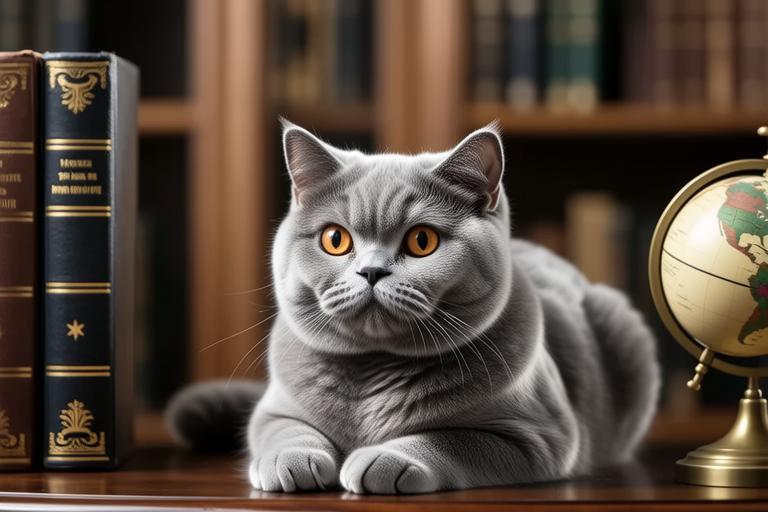
The Enigmatic Beauty of British Shorthair Silver: History, Care, and Facts
The British Shorthair silver is a captivating breed that has captured the hearts of many cat enthusiasts. With their distinctive silvery coat and robust build, these cats exude a quiet elegance that is both enchanting and timeless. Their history is rich with tradition, and their popularity continues to grow due to their friendly nature and low-maintenance lifestyle.
A Brief History and Origins
The British Shorthair, of which the silver variety is a part, is one of the oldest and most revered cat breeds. Originating from the United Kingdom, these cats were originally bred by crossing native domestic shorthairs with imported Persian and Angora cats. The breed was first recognized in the late 19th century and gained prominence at cat shows during the Victorian era.
The silver British Shorthair specifically refers to those with a distinctive silvery coat that can range from light to dark gray, often with hints of blue or white. These cats have a rich history, dating back centuries, where they were valued for their hunting prowess and companionship. Over time, selective breeding has refined the breed, enhancing its physical attributes and temperament.
Physical Characteristics
Silver British Shorthair cats are known for their dense, plush coats that shimmer with a metallic sheen under the right lighting. Their eyes are large, round, and typically copper-colored, adding to their striking appearance. The breed’s body is compact and muscular, with a broad chest and sturdy legs. Their tails are thick and taper slightly towards the tip.
One of the most notable features of the silver British Shorthair is their short, plush coat. This coat is not only beautiful but also serves a practical purpose, protecting the cat from harsh weather conditions. The fur is dense and soft, requiring regular grooming to maintain its luxurious texture.
Temperament and Suitability as Pets
British Shorthair silver cats are known for their calm and gentle demeanor. They are affectionate but not overly demanding, making them ideal companions for busy households. These cats are generally good with children and other pets, provided they are introduced properly. Their patience and tolerance make them excellent family pets.
These cats are adaptable and thrive in various environments, from bustling city apartments to quiet suburban homes. However, they do require some space to stretch and play, so a medium-sized home is ideal. Their social nature means they enjoy interaction with their human companions but are equally content lounging around on their own.
Common Health Issues
While generally healthy, British Shorthair silver cats are prone to certain genetic disorders. Hip dysplasia, a condition affecting the hip joints, can lead to mobility issues if left untreated. Regular veterinary check-ups and a balanced diet can help manage this condition. Polycystic kidney disease (PKD) is another concern, characterized by the development of cysts in the kidneys. Early detection through genetic testing can help monitor and manage PKD.
Other common health issues include obesity, dental problems, and respiratory infections. Obesity can be prevented by maintaining a healthy diet and ensuring regular exercise. Dental hygiene is crucial, and routine brushing can prevent gum disease and tooth decay. Respiratory infections are more common in indoor cats, so keeping their living environment clean and well-ventilated is essential.
Care Tips
Diet
A balanced diet is vital for maintaining the health and vitality of your silver British Shorthair. High-quality commercial cat food that meets the nutritional requirements for adult cats is recommended. Avoid feeding table scraps or foods high in fat, as these can lead to obesity. Fresh water should always be available, and it’s beneficial to provide wet food occasionally to encourage hydration.
Grooming
Despite their short fur, British Shorthair silver cats require regular grooming to keep their coats in top condition. Brushing once or twice a week helps remove loose hair and prevents matting. During shedding seasons, more frequent brushing may be necessary. Bathing is generally not required unless the cat gets particularly dirty, as it can strip the natural oils from their skin.
Exercise Needs
Although British Shorthair silver cats are relatively inactive compared to other breeds, they still need regular exercise to stay healthy and happy. Interactive toys, such as laser pointers or feather wands, can stimulate their minds and provide physical activity. Providing climbing structures or scratching posts can also help them burn off energy and maintain their agility.
Housing
Creating a comfortable and stimulating environment is key to the well-being of your silver British Shorthair. A spacious, secure area with plenty of hiding spots and perches will allow them to explore and feel safe. Cat-proof windowsills and access to outdoor areas can provide mental stimulation, but safety precautions like screens or enclosures are necessary to prevent accidents.
Interesting Facts
The British Shorthair silver is not just any ordinary cat; it boasts several unique qualities that set it apart from other breeds. One fascinating fact is that these cats have been depicted in art throughout history, including famous paintings by artists like Sir John Everett Millais. Another interesting aspect is their role in folklore, where they were believed to bring good luck and protect homes from evil spirits.
Moreover, the breed’s resilience and adaptability have made it a favorite among sailors, who valued them for their ability to catch rodents on ships. Today, they remain cherished for their loyalty, intelligence, and companionship, making them a beloved choice for families and individuals alike.
In conclusion, the silver British Shorthair is a breed that combines beauty, grace, and charm, making it a standout among cat enthusiasts. From their rich history to their distinctive physical traits, these cats offer a unique blend of qualities that make them exceptional companions. By understanding their needs and providing proper care, you can ensure a long and happy life for your silver British Shorthair.
