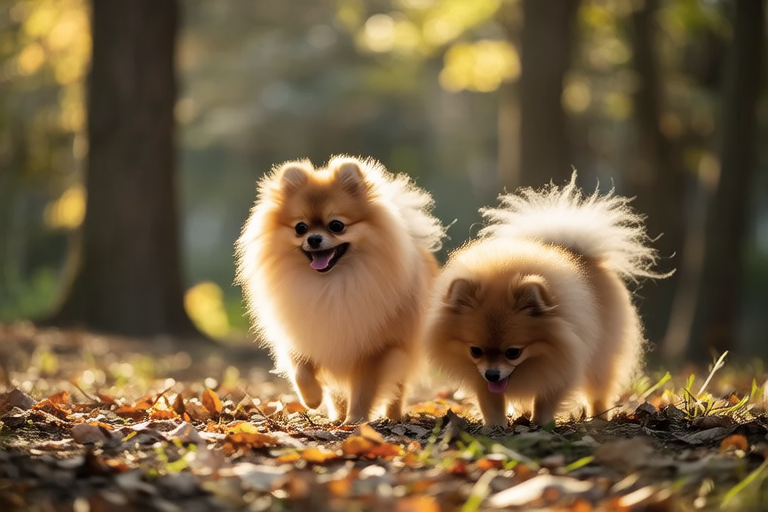
Tiny Tigers: The Dynamic World of Pomeranian Pets
Welcome to the captivating world of Pomeranians, the delightful dogs often referred to as “Tiny Tigers.” Despite their diminutive size, these little creatures are packed with personality and charm. In this article, we will explore the origins, evolution, and unique characteristics of Pomeranians, offering valuable insights for both seasoned pet enthusiasts and those considering adding a Pomeranian to their family.
The Origins and Evolution of Pomeranians
Pomeranians, originally hailing from the region of Pomerania in Central Europe, have a rich history that spans centuries. Once much larger and used for herding, these dogs have been significantly downsized over time. Their transformation from robust working dogs to the compact, affectionate companions we know today is a testament to selective breeding. The breed’s journey includes a notable association with Queen Victoria, who played a pivotal role in popularizing them during the Victorian era. Today, Pomeranians are beloved for their vibrant energy and loyalty.
Why They’re Called “Tiny Tigers”
The nickname “Tiny Tigers” aptly describes the spirited nature of these small dogs. Their bold demeanor and assertive stance make them seem much larger than their actual size. Pomeranians are known for their fearless attitude, often taking on challenges far beyond their weight class, hence the comparison to tigers. This term also reflects their striking appearance, with their plush coats and alert expressions.
Physical Characteristics
Pomeranians are a breed that stands out due to their distinctive looks. Typically weighing between 3 to 7 pounds, they are compact and well-proportioned. Their double coat, consisting of a soft undercoat and a longer outer coat, comes in a variety of colors, including orange, black, brown, cream, and sable. Their expressive eyes, often dark and round, add to their endearing appearance. Additionally, their pointed ears and fox-like tails curling over their backs are signature features that set them apart from other breeds.
Temperament and Personality
Besides their striking appearance, Pomeranians are renowned for their engaging personalities. These dogs are highly intelligent and eager to learn, making them excellent candidates for training. Their loyalty and affection towards their families are unmatched, and they thrive on human interaction. However, they can be somewhat aloof with strangers, which makes them effective watchdogs. Their playful and energetic nature keeps life exciting, but they also enjoy quiet moments with their loved ones.
Common Health Issues
Despite their overall good health, Pomeranians are susceptible to certain conditions. Regular veterinary check-ups are crucial to maintaining their wellbeing. Some common health issues include dental problems, patellar luxation (dislocation of the kneecap), and hypothyroidism. It’s important to be proactive about their health by providing balanced nutrition, regular exercise, and prompt attention to any unusual symptoms.
Grooming Tips
Grooming a Pomeranian requires dedication due to their luxurious double coat. Brushing their fur at least three times a week helps prevent matting and keeps their coat shiny and healthy. Bathing should be done only when necessary, as frequent washing can strip their coat of natural oils. Pay special attention to their ears and teeth, cleaning them regularly to prevent infections and dental issues. Professional grooming every few months can also ensure that your Pomeranian stays in top condition.
Training and Socialization
Training a Pomeranian involves positive reinforcement techniques such as treats and praise. Early socialization is key to ensuring they grow up to be well-adjusted adults. Introduce them to various environments, people, and other animals to build their confidence. Consistency is vital in training, as it helps them understand boundaries and commands. Teaching basic commands like ‘sit,’ ‘stay,’ and ‘come’ not only aids in controlling their behavior but also strengthens the bond between you and your furry friend.
Exercising Your Pomeranian
While Pomeranians may be small, they require regular exercise to stay fit and healthy. Daily walks and play sessions are essential to keep their energy levels in check. Indoor activities like hide-and-seek or interactive toys can provide mental stimulation. However, care must be taken to avoid overexertion, especially during hot weather. Providing a safe, stimulating environment ensures that your Pomeranian remains active and engaged.
The Bond Between Owners and Pomeranians
The relationship between a Pomeranian and its owner is one of deep affection and companionship. These dogs form strong bonds with their human families, providing endless joy and entertainment. Their loyalty and devotion create a sense of security and warmth. Owning a Pomeranian is not just about having a pet; it’s about sharing life’s moments with a loyal, loving companion. Whether it’s cuddling on the couch or exploring the great outdoors, these tiny tigers enrich the lives of their owners in countless ways.
In conclusion, Pomeranians are more than just cute, cuddly pets; they are dynamic, spirited companions that bring joy and laughter into our lives. Understanding their origins, physical traits, and specific needs allows us to provide them with the best possible care. By fostering a strong bond through love, attention, and proper care, we can ensure that our Tiny Tigers lead happy, healthy lives. Embrace the adventure of owning a Pomeranian and experience the unique blend of loyalty, playfulness, and affection that these remarkable dogs offer.
