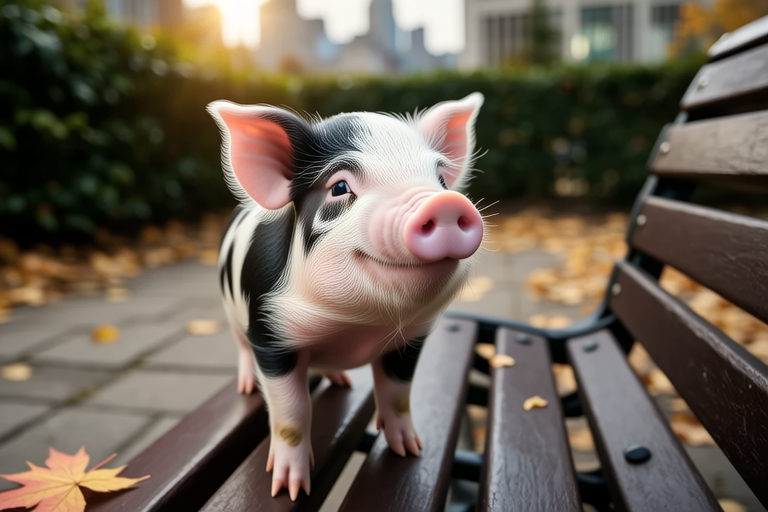
Mini Pigs in Urban Spaces: How They Thrive and Challenges They Face
In recent years, mini pigs have emerged as unexpected but increasingly popular urban pets. These pint-sized swine, often weighing between 50 to 70 pounds fully grown, offer a unique blend of intelligence, affection, and adaptability that has captured the hearts of many city dwellers. Mini pigs are far from your stereotypical farm animal; they are surprisingly well-suited for urban living, thanks to their manageable size and amiable nature.
The Growing Popularity of Mini Pigs
The surge in mini pig popularity can be attributed to several factors. Firstly, their compact size makes them ideal for apartments and smaller homes, a significant advantage for those living in densely populated areas. Secondly, mini pigs are highly intelligent and trainable, much like dogs, making them excellent companions for active individuals or families. Lastly, social media has played a pivotal role in showcasing the charm and versatility of these animals, inspiring many to consider them as potential pets.
Unique Characteristics Suited for Urban Living
Mini pigs possess several traits that make them perfect for urban environments. Their small stature means they require less space than larger breeds, fitting comfortably into homes without overwhelming limited living quarters. Additionally, their gentle demeanor and sociable personalities allow them to coexist harmoniously with other pets and humans. Mini pigs are also known for their cleanliness, often preferring to use litter boxes, which further eases their integration into urban households.
Moreover, mini pigs are incredibly smart and trainable, responding well to positive reinforcement techniques. This intelligence extends to their ability to learn commands and tricks, making them enjoyable companions for interactive play sessions. Their adaptability and quick learning capabilities ensure that mini pigs can easily adjust to the hustle and bustle of city life.
Adapting Homes and Lifestyles for Mini Pigs
Owning a mini pig involves more than just providing food and shelter; it requires thoughtful preparation and adaptation of one’s home and lifestyle. One of the most critical aspects of caring for a mini pig is ensuring they receive a balanced diet. Mini pigs are prone to obesity if not fed properly, so it’s essential to consult with a veterinarian to develop a nutrition plan that meets their specific dietary needs. A typical diet includes high-quality pig pellets, vegetables, fruits, and occasional treats.
Exercise is another crucial element in maintaining a healthy mini pig. Despite their small size, mini pigs need regular physical activity to stay fit and mentally stimulated. Owners can incorporate this through daily walks, interactive toys, and designated play areas within the home. Providing ample opportunities for exploration and engagement helps prevent boredom and destructive behaviors.
Creating a comfortable living environment for mini pigs is vital. Indoor spaces should include a cozy sleeping area, preferably with soft bedding and a temperature-controlled area to ensure comfort. Outdoor access, even if limited, is beneficial for mental stimulation and exposure to natural elements. However, it’s important to secure outdoor areas with fencing to prevent escapes and protect the pig from predators.
Challenges Mini Pigs Face in Urban Environments
While mini pigs can thrive in urban settings, they also face numerous challenges that potential owners must consider. Noise ordinances in many cities restrict barking dogs and loud noises, which can pose a problem for mini pigs that may vocalize when distressed or excited. To mitigate this, training and socialization are key. Early socialization helps mini pigs become accustomed to various sounds and stimuli, reducing the likelihood of excessive vocalization.
Space limitations are another significant challenge. Mini pigs, despite their name, still require ample room to move around and stretch their legs. Urban homes often lack the spaciousness necessary for large-scale roaming. Therefore, it’s crucial for owners to provide alternative outlets for exercise, such as agility courses or indoor play structures.
Public perception presents another hurdle. While mini pigs are gaining acceptance, misconceptions about their behavior and hygiene persist. Educating neighbors and community members about the realities of owning a mini pig can foster better understanding and support. It’s also advisable to involve local authorities and organizations to promote responsible pet ownership and address any concerns.
Advice for Potential Owners and Responsible Pet Ownership
For those considering adding a mini pig to their family, thorough research and preparation are essential. Understanding the commitment involved in caring for a mini pig, including their dietary requirements, exercise needs, and socialization, is paramount. Consulting with veterinarians, experienced owners, and breeders can provide invaluable guidance.
Responsible pet ownership in urban environments emphasizes the importance of community engagement and education. By sharing knowledge and experiences, owners can help dispel myths and promote the benefits of mini pigs as loving and adaptable pets. Engaging with local pet clubs, attending workshops, and participating in community events can further enhance the acceptance and integration of mini pigs in urban spaces.
In conclusion, mini pigs bring joy and companionship to urban households, thriving in environments where they are loved and cared for. While challenges exist, with proper preparation and understanding, these intelligent and affectionate animals can flourish in city living. Embracing the responsibilities of pet ownership ensures that mini pigs continue to be cherished members of urban communities.
