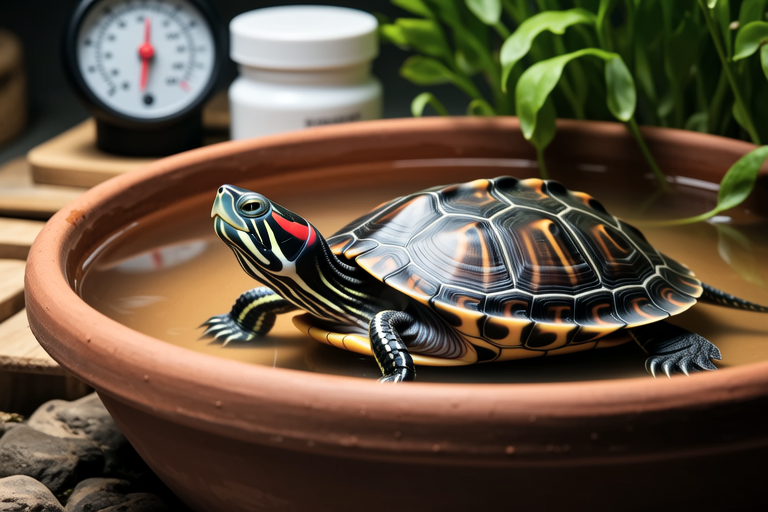
The Ultimate Checklist for Raising a Thriving Red-eared Slider Pet
Introduction
Welcome to your comprehensive guide on how to raise a thriving red-eared slider pet. This aquatic turtle species, native to the southern United States and northern Mexico, requires specific care to ensure its longevity and well-being. This guide will cover everything from setting up the perfect habitat to maintaining the health of your pet.
Habitat Setup
Tank Size
The tank size is crucial for the health and happiness of your red-eared slider. A baby turtle needs at least 10 gallons of water, but as they grow, so does their space requirement. An adult red-eared slider typically requires a minimum of 40 gallons of water per inch of shell length. Always aim for a larger tank if possible.
Filtration
Adequate filtration is vital to maintain clean water, which is essential for your turtle’s health. Choose a filter that can handle at least four times the volume of water in your tank per hour. Regular cleaning of the filter and partial water changes are also necessary to keep the water quality high.
Lighting
Your turtle needs UVB light for calcium absorption and overall health. Install a UVB lamp that covers about 75% of the basking area. Additionally, provide a heat lamp to create a warm basking spot. The basking area should reach between 85-90 degrees Fahrenheit during the day.
Temperature
Water temperature should be maintained between 75-80 degrees Fahrenheit. Use a submersible heater to achieve this, and place it in a corner where the current from the filter won’t interfere with its function. A thermometer is an indispensable tool to monitor these temperatures accurately.
Diet Recommendations
Red-eared sliders are omnivores with a preference for animal-based foods. Their diet should include a variety of items such as commercial turtle pellets, live or frozen feeder insects, earthworms, and small fish. Vegetables like collard greens, mustard greens, and squash should make up around 25% of their diet. Feed your turtle daily, but only what they can consume within 15 minutes to prevent overfeeding.
Health Maintenance
Environmental Enrichment
Providing environmental enrichment can significantly enhance the quality of life for your red-eared slider. Offer hiding spots, floating logs, and plants to stimulate natural behaviors. Rotate decorations periodically to keep the environment interesting.
Veterinary Check-Ups
Schedule regular veterinary check-ups for your turtle. A veterinarian who specializes in reptiles can offer valuable advice and ensure your pet remains healthy. They can also provide vaccinations and treatments for any potential health issues.
Behavioral Insights
Understanding your red-eared slider’s behavior is key to providing proper care. These turtles are generally docile but may become aggressive when feeding or during breeding season. They are most active during the day and require periods of rest. Observe your turtle’s activity levels and eating habits regularly to catch any signs of illness early.
Common Pitfalls to Avoid
Overcrowding
Avoid overcrowding the tank, as it can lead to stress and disease. Ensure there is enough space for each turtle to move freely and have access to both water and dry land.
Improper Feeding
Feeding too much or too little can cause health problems. Overfeeding leads to obesity, while underfeeding can result in malnutrition. Stick to a balanced diet and avoid feeding human food.
Lack of UVB Light
Without adequate UVB light, your turtle cannot absorb calcium properly, leading to metabolic bone disease. Ensure the UVB lamp is positioned correctly and replaced every six months.
Actionable Tips
- Monitor water quality closely and perform water changes as needed.
- Keep a close eye on your turtle’s weight and adjust its diet accordingly.
- Provide a varied diet to ensure nutritional balance.
- Encourage natural behaviors by offering environmental enrichment.
Realistic Expectations
Raising a red-eared slider involves commitment and responsibility. While these turtles can live up to 40 years, they require consistent care throughout their lives. Be prepared for long-term commitment and the possibility of unexpected veterinary expenses.
Conclusion
By following this comprehensive guide, you can provide your red-eared slider with the best possible care. Remember, a well-cared-for turtle will thrive in its environment, bringing joy and companionship for many years to come. Happy petting!
