The Fascinating World of Red-eared Sliders: Fun Facts and Tips
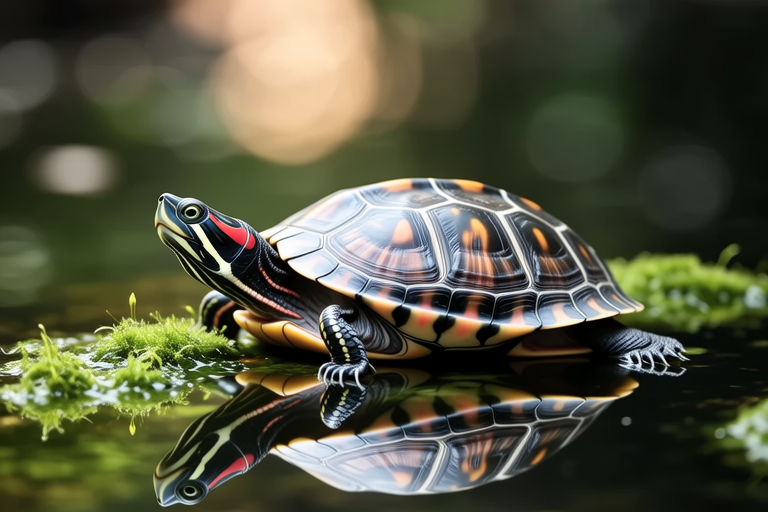
Red-eared sliders (Trachemys scripta elegans) are one of the most popular pet turtles in the world. Their striking appearance, coupled with their relatively low maintenance needs, has made them a favorite among turtle enthusiasts. These semi-aquatic turtles have distinctive red markings behind their eyes, giving them their name. They are known for their hardy nature and adaptability, making them suitable for both beginners and experienced reptile owners. In this article, we will explore the fascinating world of red-eared sliders, covering everything from their natural habitat to their behavior and care requirements.
Natural Habitat
Red-eared sliders are native to the southern United States and northern Mexico. They prefer slow-moving rivers, ponds, and lakes with muddy bottoms and abundant vegetation. These turtles are highly adaptable and can thrive in a variety of aquatic environments, including shallow streams and marshes. In their natural habitat, they spend a significant amount of time basking in the sun on logs, rocks, or banks. This is crucial for their health, as sunlight helps them synthesize vitamin D3, which is essential for calcium absorption.
In captivity, it is important to replicate their natural environment as closely as possible. A large aquarium or pond with plenty of space for swimming and basking is ideal. The water should be kept clean and filtered to maintain optimal water quality. Providing a basking area with a UVB light source is also crucial for their well-being. The basking area should be easily accessible and warm enough for the turtle to fully dry off after swimming.
Diet
Red-eared sliders are omnivorous, meaning they eat both plant and animal matter. Their diet consists primarily of aquatic plants, insects, small fish, and snails. As they age, their dietary preferences shift from a more carnivorous diet in their youth to a more herbivorous diet in adulthood. It is important to provide a balanced diet that meets their nutritional needs at all life stages.
In captivity, a good rule of thumb is to feed young turtles a diet that is 75% protein and 25% vegetables, while adult turtles should have a diet that is 25% protein and 75% vegetables. High-quality commercial turtle pellets can be a convenient option, but it is also beneficial to offer a variety of fresh foods such as leafy greens, chopped fruits, and occasional live or frozen feeder fish. Avoid feeding them iceberg lettuce or any processed human food, as these can be harmful to their health.
Lifespan
With proper care, red-eared sliders can live for several decades. The average lifespan of a red-eared slider in captivity is around 20 to 40 years, but some individuals have been known to live up to 50 years or more. Factors such as genetics, diet, and living conditions play a significant role in determining their longevity. Providing a healthy and stimulating environment, along with regular veterinary check-ups, can help ensure your turtle lives a long and happy life.
Common Behaviors
Red-eared sliders are social animals and enjoy interacting with their surroundings. They are known for their curious nature and often explore their environment by swimming and climbing. Basking is a vital part of their daily routine, as it helps regulate their body temperature and promotes healthy shell growth. They are generally docile and can become quite tame with regular handling, making them enjoyable companions for their owners.
One interesting behavior of red-eared sliders is their ability to hibernate. In colder climates, these turtles may enter a state of dormancy called brumation during the winter months. During this time, they slow down their metabolism and retreat to the bottom of their pond or aquarium, where they remain inactive until temperatures rise again in the spring. It is important to monitor their activity levels and provide appropriate care during this period to ensure their survival.
Fun Facts
Red-eared sliders have several unique traits that make them fascinating creatures. For example, they have excellent vision and can detect movement in the water from great distances. Their webbed feet allow them to swim efficiently, and their strong jaws enable them to crush the shells of snails and other prey. Additionally, red-eared sliders can hold their breath for extended periods, allowing them to stay submerged for up to five hours. This adaptation is particularly useful when they need to escape predators or conserve energy.
Another interesting fact about red-eared sliders is that they can communicate through vibrations in the water. By rapidly moving their legs, they create waves that can be detected by other turtles. This form of communication is especially important during mating season, as males use these vibrations to attract females. Female red-eared sliders are capable of laying multiple clutches of eggs each year, with each clutch containing between 6 to 20 eggs. The incubation period for these eggs ranges from 60 to 90 days, depending on environmental factors such as temperature and humidity.
Tips for Potential Owners
Creating a Healthy Environment
Setting up a proper habitat is essential for the well-being of your red-eared slider. A large tank or pond is necessary to provide ample swimming space and room for a basking area. The water should be kept clean and free of debris, and a filtration system is recommended to maintain water quality. The basking area should be elevated and equipped with a heat lamp and UVB light to simulate natural sunlight. Regular cleaning and water changes are also important to prevent the buildup of harmful bacteria and ensure a healthy living environment.
Correct Feeding Methods
Feeding your red-eared slider a balanced diet is crucial for their overall health. As mentioned earlier, their dietary needs change as they age, so it is important to adjust their diet accordingly. Young turtles should be fed daily, while adults can be fed every other day. Overfeeding can lead to obesity and other health issues, so it is best to feed them only what they can consume within a few minutes. Providing a variety of fresh and high-quality foods will help ensure they receive all the necessary nutrients.
Daily Care Suggestions
In addition to proper housing and nutrition, there are several daily care tasks that will help keep your red-eared slider healthy. Regularly monitoring their behavior and physical condition is important for early detection of any potential health problems. Checking their shell for signs of damage or discoloration, as well as examining their skin for any unusual spots or lesions, can help identify issues before they become serious. Additionally, providing opportunities for exercise and mental stimulation, such as offering toys or rearranging their environment, can promote their overall well-being.
Summary
Red-eared sliders are captivating pets that offer a unique and rewarding experience for their owners. With their striking appearance, interesting behaviors, and relatively low maintenance needs, they make excellent companions for those interested in reptiles. However, it is important to approach pet ownership responsibly and ensure that you are prepared to provide the necessary care and attention required for these long-lived creatures. By creating a healthy environment, providing a balanced diet, and engaging in regular care practices, you can help your red-eared slider thrive and enjoy a long and fulfilling life.
As with any pet, adopting a red-eared slider comes with its own set of challenges. Their specific care requirements, including the need for a large enclosure and specialized lighting, must be carefully considered before bringing one into your home. Additionally, the commitment to their long-term care should not be underestimated, as these turtles can live for many decades. By educating yourself on their needs and making informed decisions, you can ensure that you are providing the best possible care for your new pet.
We encourage responsible pet ownership and hope that this article has provided you with valuable insights into the fascinating world of red-eared sliders. Whether you are a seasoned reptile enthusiast or a first-time turtle owner, these creatures offer a unique and rewarding experience that can bring joy and companionship to your life. Happy turtle keeping!
