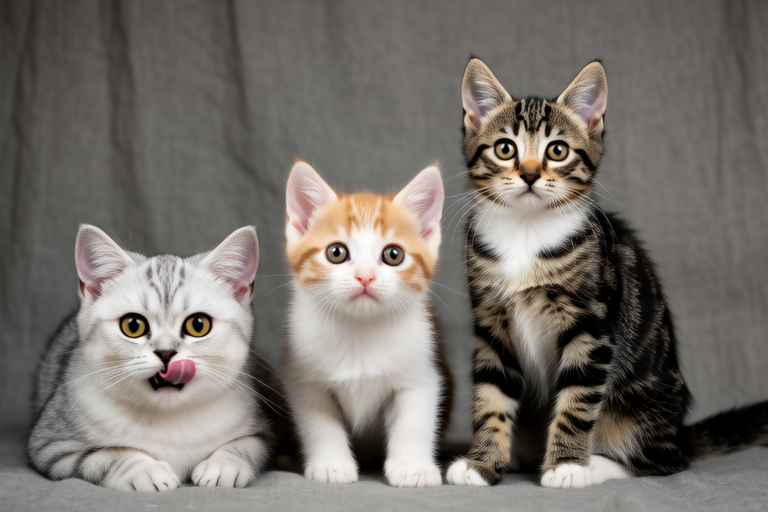
Top 10 Fun Facts About the Short-Legged, Long-Hearted Munchkin Cats
Munchkin cats have captured the hearts of many with their unique appearance and charming personalities. These short-legged felines have a rich history and a host of interesting traits that make them stand out among other cat breeds. This article will explore ten fun facts about Munchkin cats, covering their origin, physical attributes, health considerations, and more.
1. The Origin of the Munchkin Cat
The story of the Munchkin cat is as fascinating as the breed itself. It all began in the 1980s when Sandra Hochenedel discovered a small, stray cat with unusually short legs in Louisiana. She named this cat Blackberry, and she later bred her with a domestic shorthair. The resulting kittens inherited Blackberry’s short legs, marking the beginning of the Munchkin breed.
Blackberry’s offspring were affectionately called “Munchkins,” inspired by the characters from L. Frank Baum’s “The Wizard of Oz.” Today, the breed has grown in popularity, recognized by various cat registries, including the International Cat Association (TICA) and the American Cat Fanciers Association (ACFA).
2. Unique Physical Characteristics
One of the most striking features of Munchkin cats is their short legs. This trait is due to a genetic mutation known as achondroplasia, which affects bone growth. Despite their shorter limbs, Munchkins are generally healthy and agile, often surprising people with their ability to leap and climb like any other cat.
Aside from their legs, Munchkins come in a wide variety of coat colors and patterns. They can have long or short hair, adding to their diversity. Their bodies are proportionate, with a well-rounded chest and a flexible spine, allowing them to move gracefully despite their shorter legs.
3. Personality Traits: Affectionate and Playful
Munchkin cats are renowned for their friendly and social nature. They enjoy the company of humans and other pets, making them excellent companions for families. Their playful demeanor keeps them active, and they love to engage in interactive play with toys or even their owners.
These cats are also known for their curiosity. They are always exploring their surroundings, investigating every nook and cranny of their environment. Their intelligence and adaptability make them easy to train, and they quickly learn commands and tricks.
4. Common Health Issues
Despite their generally robust health, Munchkin cats can be prone to certain conditions. One of the most notable is lordosis, a spinal curvature that can cause difficulty in walking and jumping. Another concern is pectus excavatum, a condition where the sternum is sunken, affecting breathing and heart function.
It’s essential for Munchkin owners to monitor their pets closely and provide regular veterinary check-ups to ensure early detection and management of any potential health issues. Maintaining a healthy diet and exercise routine can also help prevent obesity, which can exacerbate joint problems.
5. Popular Myths Debunked
There are several myths surrounding Munchkin cats that need to be addressed. One common misconception is that their short legs automatically make them less athletic. In reality, Munchkin cats are quite agile and can run, jump, and play just like any other cat. Their shorter legs don’t hinder their ability to enjoy life to the fullest.
Another myth is that Munchkin cats are prone to back problems due to their unique anatomy. While it’s true that some Munchkins may experience spinal issues, proper care and attention can significantly reduce the risk. Regular vet visits and maintaining a healthy weight are crucial in preventing such complications.
6. Genetic Diversity and Breeding
Munchkin cats are a relatively new breed, and their genetic diversity is an important aspect to consider. Breeders work diligently to maintain a healthy gene pool while preserving the distinctive short-legged trait. To avoid the negative effects of inbreeding, breeders often cross Munchkins with other breeds, such as domestic shorthairs, to introduce fresh genetic material.
This practice helps to reduce the likelihood of inherited diseases and ensures that Munchkin cats remain healthy and vibrant. Responsible breeding is key to the continued success and well-being of the breed.
7. Adoption Stories and Anecdotes
Munchkin cats have won the hearts of many through their endearing personalities and unique appearance. One such story involves a family who adopted a Munchkin cat named Whiskers. Despite his short legs, Whiskers was an adventurous and playful kitten who quickly became the center of attention in his new home.
Another anecdote tells of a Munchkin cat named Luna who found her forever home after being rescued from a shelter. Luna’s quirky personality and affectionate nature made her a beloved member of her new family, proving that Munchkin cats can thrive in various environments.
8. Famous Munchkin Cats
While Munchkin cats may not have achieved celebrity status like some other breeds, there are a few notable individuals who have gained recognition for their unique looks and personalities. One such cat is “Pip,” a Munchkin who became an internet sensation for his adorable antics and photogenic charm.
Another famous Munchkin is “Mr. Squishy,” a cat who starred in a popular web series. His short legs and playful nature made him a favorite among viewers, showcasing the breed’s appeal and versatility.
9. Munchkin Cats in Pop Culture
Munchkin cats have made appearances in various forms of media, further cementing their place in pop culture. From animated films to video games, these short-legged felines have captured the imagination of audiences worldwide. One notable example is the character “Cheshire Cat” from Disney’s “Alice in Wonderland,” whose playful and mischievous nature mirrors that of Munchkin cats.
In addition to their presence in mainstream media, Munchkin cats have also been featured in books, comics, and even advertising campaigns. Their unique appearance and lovable personalities make them ideal subjects for creative endeavors.
10. Caring for Your Munchkin Cat
Providing proper care for your Munchkin cat is essential to ensuring their health and happiness. Regular grooming is necessary, especially for long-haired Munchkins, to keep their coats clean and free of mats. A balanced diet and plenty of fresh water are also vital to maintain their overall health.
Creating a safe and stimulating environment is equally important. Munchkin cats enjoy climbing and exploring, so providing them with cat trees, scratching posts, and other enrichment items can help keep them entertained and engaged. Additionally, regular veterinary care, including vaccinations and routine check-ups, is crucial for monitoring their health and addressing any concerns promptly.
In conclusion, Munchkin cats are a delightful and unique breed with a rich history and many endearing qualities. Whether you’re a seasoned cat lover or considering adopting a Munchkin for the first time, understanding their origins, characteristics, and care requirements can help you provide them with a happy and fulfilling life.
