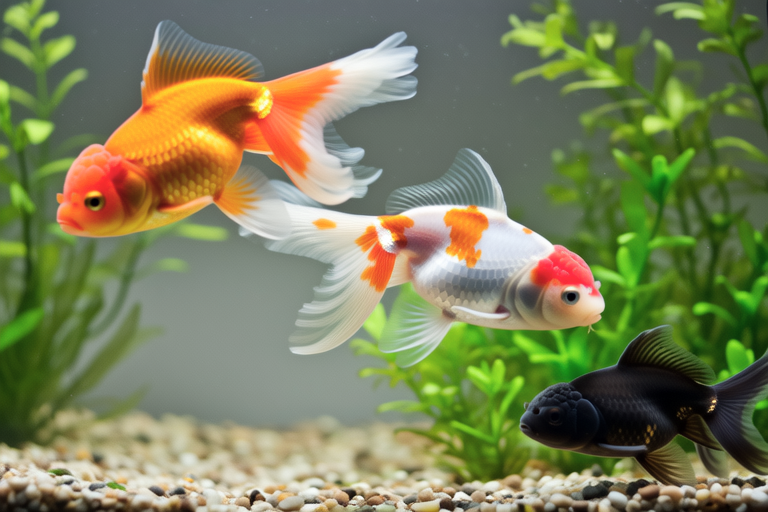
Goldfish Behavior Decoded: Understanding Why Your Fish Acts the Way It Does
Welcome to the fascinating world of goldfish behavior! Goldfish are beloved pets known for their vibrant colors and graceful movements. However, many owners may not fully understand why their goldfish behave the way they do. This comprehensive guide will help you decode your goldfish’s actions, providing valuable insights into their swimming patterns, eating habits, and resting behaviors. We’ll also explore the environmental factors that influence their behavior, signs of stress or illness, and tips for maintaining a healthy environment. By the end of this article, you’ll be well-equipped to foster a positive relationship with your goldfish.
Basic Goldfish Behavior Patterns
Goldfish exhibit a range of behaviors that can be categorized into several key activities: swimming, eating, and resting. Understanding these behaviors is crucial for recognizing what your goldfish needs and how it communicates.
Swimming Patterns: Goldfish are active swimmers, often darting around their tank in search of food or simply enjoying the space. They can swim both near the surface and at the bottom of the tank, depending on their mood and activity level. Some goldfish may prefer to stay in one area, while others might explore every corner of their habitat. Swimming patterns can also indicate the fish’s overall health; erratic or slow swimming could be a sign of distress.
Eating Habits: Goldfish are omnivores, meaning they eat both plant-based and animal-based foods. In the wild, they feed on algae, insects, and small aquatic creatures. In captivity, they typically consume pellets, flakes, and occasional treats like bloodworms or brine shrimp. Goldfish have a voracious appetite and will often eat until they’re full, so it’s important to monitor their feeding schedule to prevent overfeeding. Overeating can lead to bloating and other health issues.
Resting Behaviors: When not actively swimming or eating, goldfish will rest at the bottom of the tank or find a quiet spot where they can relax. They may lie motionless for extended periods, especially if the tank is spacious and provides hiding spots. Resting behavior is essential for goldfish, as it allows them to conserve energy and maintain their health. If your goldfish appears restless or unable to settle down, it could be a sign of discomfort or illness.
Environmental Factors Influencing Goldfish Behavior
The environment in which your goldfish lives plays a significant role in shaping its behavior. Several factors, including water temperature, tank size, and the presence of companions, can influence how your goldfish behaves.
Water Temperature: Goldfish thrive in water temperatures between 68°F and 74°F (20°C to 23°C). Maintaining the correct temperature is crucial for their well-being, as it affects their metabolism and overall health. A sudden change in water temperature can cause stress and disrupt normal behavior. For instance, if the water becomes too cold, goldfish may become lethargic and less active. Conversely, if the water is too warm, they may become more agitated and swim erratically.
Tank Size: The size of your goldfish’s tank directly impacts its behavior. Goldfish require ample space to swim freely and explore their surroundings. A cramped tank can lead to stress, aggression, and abnormal swimming patterns. As a general rule, each goldfish requires at least 20 gallons of water. Providing a larger tank not only promotes healthier swimming but also reduces the likelihood of territorial disputes among multiple fish.
Presence of Companions: Goldfish are social animals and enjoy the company of their peers. Keeping multiple goldfish together can encourage natural behaviors like schooling and playing. However, it’s important to ensure there’s enough space and resources for all fish to thrive. Aggression can arise if the tank is overcrowded or if there’s insufficient food. Additionally, introducing new fish to an established tank can sometimes cause temporary behavioral changes as the hierarchy is reestablished.
Interpreting Signs of Stress or Illness Through Behavior Changes
Monitoring your goldfish’s behavior closely can help you detect early signs of stress or illness. Recognizing these signs is essential for prompt intervention and maintaining your fish’s health.
Signs of Stress: Stress in goldfish can manifest in various ways, including changes in swimming patterns, loss of appetite, and unusual hiding behaviors. Goldfish under stress may also display physical symptoms such as clamped fins or rapid breathing. Common causes of stress include poor water quality, aggressive tankmates, or sudden environmental changes. Addressing these issues promptly can alleviate stress and prevent further complications.
Signs of Illness: Sick goldfish may exhibit a range of symptoms, including discoloration, lesions, bloating, and difficulty swimming. Other indicators of illness include decreased appetite, lethargy, and abnormal swimming patterns. If you notice any of these signs, it’s important to act quickly. Consult a veterinarian specializing in aquatic animals for proper diagnosis and treatment. Early intervention can significantly improve your goldfish’s chances of recovery.
Maintaining a Healthy Environment That Encourages Natural Behavior
Creating a healthy and stimulating environment is vital for encouraging natural goldfish behavior. Here are some practical tips to ensure your goldfish thrives:
Water Quality: Regularly monitoring and maintaining good water quality is essential for your goldfish’s health. Test the water for pH levels, ammonia, nitrite, and nitrate levels, and perform partial water changes weekly to keep the environment clean. A stable pH level between 6.5 and 7.5 is ideal for most goldfish. Proper filtration systems and regular cleaning routines will help maintain optimal water conditions.
Decorations and Hiding Spots: Providing decorations, plants, and hiding spots within the tank can create a more enriching environment for your goldfish. These elements stimulate exploration and provide safe spaces for resting. Be cautious when choosing decorations, ensuring they are non-toxic and do not have sharp edges that could harm your fish. Live or artificial plants can serve as both hiding spots and additional sources of oxygen.
Feeding Schedule: Establishing a consistent feeding schedule helps regulate your goldfish’s diet and prevents overfeeding. Feed your goldfish two to three times a day, giving them only what they can consume within a few minutes. Avoid leaving uneaten food in the tank, as it can deteriorate water quality. Varying their diet with different types of food can also promote healthy growth and behavior.
Fostering a Positive Relationship With Your Goldfish
To build a strong bond with your goldfish, it’s important to understand their needs and respond appropriately to their behaviors. Here are some tips for fostering a positive relationship:
Observation: Spend time observing your goldfish regularly. Watching their daily activities can help you identify any changes in behavior that might indicate stress or illness. This attentiveness also strengthens the bond between you and your pet.
Interaction: While goldfish may not respond to direct interaction like some other pets, you can still engage with them through gentle tapping on the tank or placing food near the surface. This can create a sense of familiarity and trust. Be patient and consistent in your interactions to establish a routine.
Patience: Understanding your goldfish’s behavior takes time and patience. Each fish has its unique personality, and it may take some effort to fully grasp its needs and responses. By being attentive and responsive, you can create a nurturing environment that supports your goldfish’s well-being.
In conclusion, decoding your goldfish’s behavior can deepen your understanding of these fascinating creatures and enhance your ability to care for them properly. By recognizing their basic behaviors, understanding the environmental factors that influence them, and interpreting signs of stress or illness, you can provide a healthy and enriching environment. Fostering a positive relationship with your goldfish involves observation, interaction, and patience. With these insights, you’ll be better equipped to ensure your goldfish leads a happy and healthy life.
