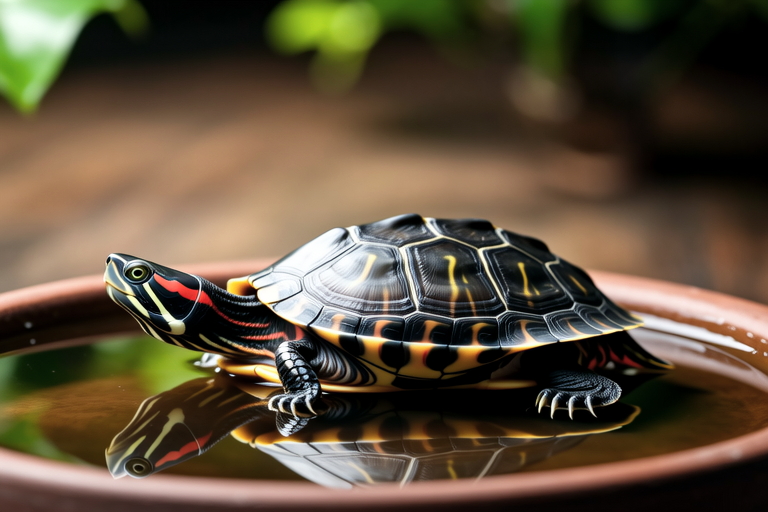
Red-eared Slider Care: Tips and Tricks from Expert Turtlers
Introduction
Welcome to the world of red-eared slider care! These charismatic reptiles are one of the most popular pet turtle species, cherished for their striking appearance and relatively manageable care requirements. However, owning a red-eared slider comes with significant responsibilities. This guide will provide you with expert advice and practical tips to ensure your slider thrives in captivity.
Habitat Setup: Mimicking Natural Environments
The first step in red-eared slider care is creating an appropriate habitat that closely resembles their natural environment. Red-eared sliders are semi-aquatic turtles, meaning they spend part of their time in water and part on land. Therefore, a balanced enclosure is crucial for their health and happiness.
- Tank Size: A young red-eared slider requires at least 10 gallons of water per inch of shell length. As they grow, this requirement increases significantly. An adult turtle may need a tank as large as 100 gallons or more.
- Water Quality: Maintain clean water by installing a powerful filtration system. Regular water changes are also essential to prevent ammonia buildup, which can be harmful to your turtle.
- Land Area: Provide a dry basking area where your turtle can completely emerge from the water. This area should be large enough for the turtle to fully extend its limbs and stretch out its neck.
- Heat and Lighting: Ensure the basking area has a heat lamp that maintains a temperature of around 85-90°F (29-32°C). UVB lighting is necessary for vitamin D3 synthesis, which aids calcium absorption.
- Substrate: Avoid substrates like gravel or sand that can be ingested accidentally, leading to impaction. Opt for smooth stones or a reptile carpet for the land area.
Dietary Needs: A Balanced Diet for Optimal Health
A proper diet is vital for the growth and longevity of your red-eared slider. Their nutritional requirements change as they age, so it’s important to adjust their diet accordingly.
- Young Turtles: Juvenile red-eared sliders are carnivorous, requiring a diet rich in protein. Offer them high-quality commercial turtle pellets, supplemented with live foods such as crickets, mealworms, and earthworms.
- Adult Turtles: Adult red-eared sliders become omnivorous, consuming both plant matter and animal protein. Include leafy greens, aquatic plants, and occasional fruits like strawberries and blueberries in their diet. Continue offering commercial pellets and live or frozen-thawed prey items.
- Calcium Supplementation: To prevent metabolic bone disease, supplement their diet with calcium powder, especially if they don’t have access to natural sunlight or UVB lighting.
- Feeding Schedule: Feed juveniles daily, while adults can be fed every other day. Overfeeding can lead to obesity and health issues, so monitor portion sizes carefully.
Health Maintenance: Preventing and Managing Common Issues
Regular health checks and preventative measures are key to keeping your red-eared slider healthy. Here are some common issues to watch out for and how to manage them:
- Shell Rot: Caused by bacteria or fungi, shell rot can result from poor water quality or physical trauma. Clean any affected areas gently with an antifungal solution and consult a veterinarian for further treatment.
- Mouth Rot: This condition, characterized by swelling and discharge around the mouth, often results from poor hygiene or injury. Seek veterinary care immediately if you suspect mouth rot.
- Metabolic Bone Disease (MBD): MBD occurs due to calcium deficiency, often linked to inadequate UVB lighting or insufficient calcium intake. Ensure your turtle receives adequate supplementation and exposure to UVB light.
- Respiratory Infections: Symptoms include lethargy, nasal discharge, and difficulty breathing. Respiratory infections can be caused by cold temperatures or poor water quality. Warm the environment and improve water conditions to help your turtle recover.
Common Pitfalls to Avoid
Owning a red-eared slider can be rewarding, but there are several common mistakes that can jeopardize their health. Here are some pitfalls to avoid:
- Underestimating Space Requirements: Many owners underestimate the space their turtle will need as it grows. Ensure you have a spacious tank from the start to avoid stress and health issues.
- Improper Heating and Lighting: Insufficient heat or UVB lighting can lead to respiratory infections, shell deformities, and other health problems. Invest in high-quality equipment and monitor temperatures regularly.
- Inadequate Filtration: Poor water quality can cause skin irritations, infections, and even death. Choose a filter that suits the size of your tank and perform regular water changes.
- Overfeeding: Obesity is a common issue among pet turtles. Stick to recommended feeding schedules and portion sizes to maintain your turtle’s health.
Expert Advice: Insights from Seasoned Turtle Owners
We reached out to seasoned turtle owners and veterinarians for their top tips on caring for red-eared sliders:
“Ensure your turtle has access to fresh water at all times. Water quality is paramount for their overall health,” advises Dr. Sarah Thompson, a reptile veterinarian.
Another tip from veteran turtler, Mike Johnson:
“Be patient when introducing new food items. Some turtles may take time to accept new flavors or textures.”
Conclusion
Caring for a red-eared slider requires commitment and attention to detail. By setting up an appropriate habitat, providing a balanced diet, maintaining good health practices, and avoiding common pitfalls, you can ensure your turtle lives a long and healthy life. Remember, each turtle is unique, so observe their behavior and adjust care routines as needed. With the right approach, you’ll enjoy a rewarding relationship with your red-eared slider for years to come.
