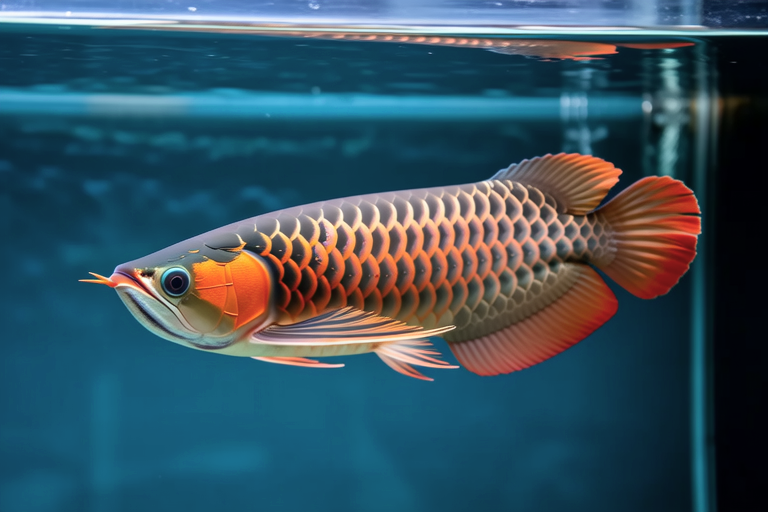
Unleashing the Majesty: A Complete Guide to Arowana Care
Arowanas, also known as dragonfish, are one of the most majestic and culturally significant freshwater fish species. With their elongated bodies, shimmering scales, and the ability to leap out of the water, they have captured the hearts of many aquarists around the world. In many Asian cultures, arowanas are considered symbols of luck, prosperity, and good fortune, making them highly sought after not just for their beauty but also for their cultural significance. This guide aims to provide a comprehensive overview of arowana care, from setting up the perfect tank environment to understanding their dietary needs and common health issues.
Setting Up the Ideal Tank Environment
The first step in arowana care is creating a suitable tank environment. Arowanas require a spacious tank with ample swimming room; a minimum of 150 gallons is recommended for a single adult fish. The tank should be long rather than tall, as these fish prefer horizontal swimming. Additionally, ensure that the tank has a secure lid, as arowanas are notorious jumpers. Decorate the tank with plenty of hiding spots and plants, which can help reduce stress and provide a sense of security. Substrate can be gravel or sand, but avoid sharp-edged rocks or decorations that could injure your fish.
Water Parameters Crucial for Their Health
Maintaining optimal water conditions is vital for the health and longevity of arowanas. They thrive in slightly acidic to neutral water with a pH range between 6.5 and 7.5. The temperature should be kept stable between 78°F and 84°F (25°C to 29°C). Regular testing of these parameters is essential to ensure a healthy environment. Use a high-quality aquarium filter to maintain water clarity and circulation, and perform weekly partial water changes to prevent the buildup of toxins.
Diet Specifics and Feeding Habits
Arowanas are carnivorous and require a balanced diet rich in protein. Their natural diet includes small fish, insects, and crustaceans. In captivity, they can be fed a variety of foods including live, frozen, or freeze-dried options such as bloodworms, krill, prawns, and feeder fish. It’s important to vary their diet to ensure they receive all necessary nutrients. Feed your arowana once or twice daily, providing only as much food as they can consume within a few minutes. Overfeeding can lead to health problems, so monitor their eating habits closely.
Common Health Issues
Despite their hardiness, arowanas can suffer from various health issues if not properly cared for. Common ailments include fin rot, bacterial infections, and parasitic infestations. Regular observation and prompt treatment at the first sign of illness are key to maintaining your fish’s health. Quarantine new additions to the tank to prevent the introduction of diseases. Consult with a veterinarian specializing in exotic fish for diagnosis and treatment of any health issues.
Tips for Maintaining Water Quality and Managing Tank Cleanliness
To keep your arowana’s tank clean and healthy, establish a regular maintenance schedule. This includes weekly water changes, cleaning filters, and monitoring equipment. Use a siphon vacuum to remove debris from the substrate during water changes. Ensure that all equipment, including heaters and filters, is functioning correctly. Proper filtration is crucial for maintaining water quality, as it helps to break down waste products and maintain oxygen levels. Regular testing of water parameters will help you identify and address any potential issues before they become serious.
Behavioral Traits and Interaction
Arowanas are intelligent and active fish with distinct personalities. They are known for their curiosity and can often be observed watching their surroundings. While they are generally peaceful, they can become territorial and aggressive towards other fish, especially those of similar size or species. It’s important to provide them with sufficient space and hiding spots to minimize stress. Interacting with your arowana can be rewarding, but always handle them with care. Never net them directly; instead, use a container or a soft net to gently guide them into the water. Always wash your hands before and after handling to prevent the spread of bacteria.
In conclusion, caring for arowanas requires dedication and attention to detail. By setting up the ideal tank environment, maintaining proper water parameters, providing a balanced diet, and being vigilant about their health, you can ensure that your arowana thrives. Understanding their behavior and interacting with them safely adds another layer of enjoyment to keeping these magnificent creatures. Whether you’re a novice or an experienced aquarist, the journey of caring for arowanas promises to be both challenging and rewarding, offering a glimpse into the majesty of these ancient fish.
