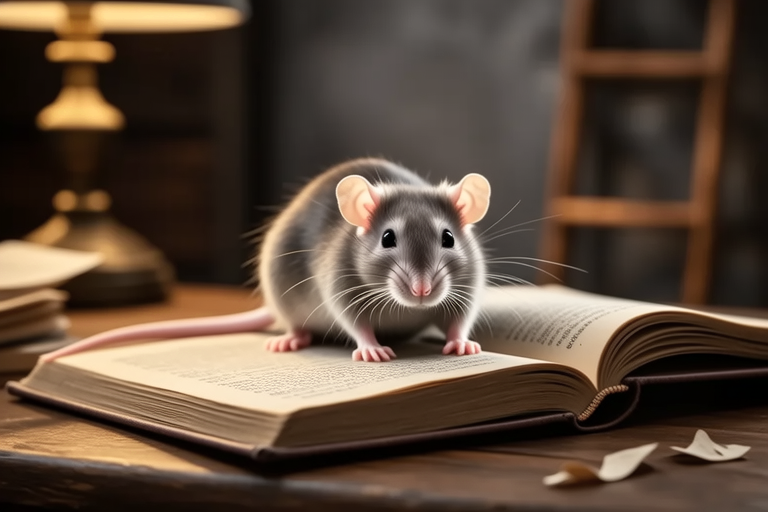
Exploring the Hidden Behaviors and Daily Routines of Pet Fancy Rats When Owners Are Away
Fancy rats, also known as domesticated brown rats, are intelligent, social animals that thrive on interaction with their environment and companions. When their human owners are away, these creatures engage in a variety of behaviors and routines that reveal their unique personalities and preferences. Understanding these behaviors can help owners enhance their rats’ well-being and create enriching environments for them.
Social Interactions
Fancy rats are highly social animals and enjoy the company of both humans and other rats. When owners are away, rats tend to form strong bonds with their cage mates, engaging in grooming, nuzzling, and playing together. These interactions are essential for their mental and emotional health, as they mimic the behavior of wild rats living in colonies. In multi-rat households, rats will often huddle together for warmth and comfort, especially during sleep. They may also take turns grooming each other, a behavior that strengthens social bonds and maintains hygiene.
Play Habits
Rats are naturally curious and playful, and their play habits can be quite varied. When left to their own devices, rats will engage in activities such as climbing, digging, and exploring. They may also engage in wrestling or chasing games with their cage mates, which can involve mock fighting, pouncing, and running around. These activities help rats maintain their physical fitness and mental acuity. Providing toys and tunnels within their cage can encourage these natural behaviors and prevent boredom.
Sleeping Patterns
Rats are crepuscular animals, meaning they are most active during dawn and dusk. This means that while owners are away at work or school, rats may be more active during the day, taking advantage of the quieter environment. However, they still require plenty of sleep to stay healthy and happy. Rats typically sleep for about 14 hours a day, often in short bursts throughout the day and night. They prefer dark, quiet spaces for sleeping and may seek out cozy corners or nesting areas within their cage.
Exploration Activities
Rats are inquisitive and adventurous, and they love to explore their surroundings. When owners are away, rats may spend time investigating new objects, rearranging items in their cage, or even trying to escape from their enclosure. Providing rats with a stimulating environment filled with tunnels, chewable toys, and hiding spots can help satisfy their curiosity and prevent destructive behaviors. Rats may also use their keen sense of smell to investigate new scents or changes in their environment, making scent-based enrichment a valuable addition to their habitat.
Creative Use of Cage Space
Rats are resourceful and adaptable, and they often find creative ways to use their cage space. They may stack bedding material to create elevated platforms or build nests in unexpected corners of their enclosure. Rats may also use their cage accessories, such as wheels or ladders, in unconventional ways, such as climbing on them or using them as part of their play routines. Providing a variety of cage accessories can encourage this creativity and help keep rats mentally stimulated.
Communication Methods
Rats communicate through a variety of vocalizations, body language, and scent marking. While owners are away, rats may use these methods to interact with each other or express their needs. Rats can make soft chirping sounds when they are excited or distressed, and they may emit high-pitched squeaks during play or when they are seeking attention. Body language, such as tail wagging or ear flicking, can indicate mood or intent, while scent marking helps rats establish territory and identify familiar individuals. Understanding these communication methods can help owners better interpret their rats’ behavior and respond appropriately.
Preferred Hiding Spots
Rats are naturally cautious and may seek out hiding spots when they feel threatened or want to rest undisturbed. Common hiding spots within a cage include enclosed tunnels, cardboard boxes, or fabric hammocks. Providing multiple hiding spots can help rats feel secure and reduce stress. Rats may also use these hiding spots as nesting areas, where they gather bedding material to create cozy nests for sleeping or raising young. Ensuring that rats have access to comfortable hiding spots is essential for their well-being.
Peculiar Habits Observed by Researchers or Experienced Rat Owners
Researchers and experienced rat owners have observed a variety of peculiar habits in fancy rats. For example, some rats have been known to engage in self-grooming rituals, such as licking their fur or rubbing their faces against objects. Others may display unusual behaviors, such as spinning in circles or standing on their hind legs. These behaviors may be related to stress, boredom, or simply the rats’ individual personalities. Observing these behaviors can provide insight into a rat’s emotional state and help owners address any underlying issues.
The Importance of Enrichment for Well-Being
Enrichment is crucial for the physical and mental health of fancy rats. Providing rats with a stimulating environment filled with toys, tunnels, and hiding spots can help prevent boredom and destructive behaviors. Enrichment can also promote social interaction, exercise, and mental stimulation, all of which are important for maintaining a rat’s overall well-being. Owners can enhance their rats’ secret lives by offering a variety of enrichment options and rotating them periodically to keep things interesting.
Tips for Understanding and Enhancing Your Rat’s Secret Life
- Observe your rats: Spend time observing your rats when you’re home to get a better understanding of their behavior and preferences. Take note of their favorite activities, hiding spots, and interactions with their cage mates.
- Provide a variety of enrichment: Offer a range of toys, tunnels, and hiding spots to keep your rats mentally and physically stimulated. Rotate these items periodically to prevent boredom.
- Encourage social interaction: If you have multiple rats, encourage them to interact with each other by providing opportunities for play and grooming. This can help strengthen social bonds and reduce stress.
- Respect their space: Rats need quiet, undisturbed time to rest and recover. Provide comfortable hiding spots and minimize disturbances during these times.
- Pay attention to communication: Learn to recognize your rats’ vocalizations and body language so you can better understand their needs and emotions.
- Be patient and consistent: Building a strong bond with your rats takes time and consistency. Be patient and give your rats the attention and care they need to thrive.
In conclusion, understanding the hidden behaviors and daily routines of pet fancy rats when owners are away can help owners provide a more enriching and supportive environment for their pets. By observing and responding to their needs, owners can enhance their rats’ secret lives and ensure their well-being.
