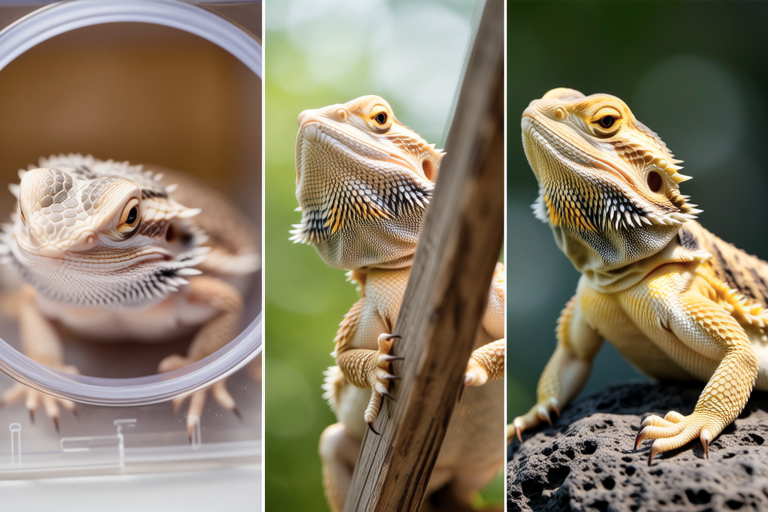
From Tiny Hatchling to Full-Grown Beast: The Journey of a Bearded Dragon Owner
Welcome to the fascinating world of bearded dragon ownership! These charismatic reptiles have gained immense popularity among pet enthusiasts due to their docile nature, striking appearance, and relatively low maintenance requirements. From their distinctive beards to their ability to change color, bearded dragons offer a unique and captivating experience for any owner. In this article, we will guide you through every stage of owning a bearded dragon, from acquiring your first tiny hatchling to caring for a fully grown adult.
The Initial Stages: Acquiring Your Hatchling
One of the most exciting moments in a bearded dragon owner’s journey is bringing home a new hatchling. These miniature versions of their adult counterparts are typically around two inches in length and weigh less than half an ounce. They come in various colors and patterns, making each one uniquely beautiful.
When selecting a hatchling, it’s crucial to ensure they come from reputable breeders who prioritize the health and well-being of their animals. A healthy hatchling should have clear eyes, no signs of respiratory issues, and a firm grip when handled. Additionally, avoid those with any visible deformities or injuries.
Setting up the ideal habitat for your hatchling is vital for their growth and development. A ten-gallon tank serves as an adequate starter enclosure, complete with a heat lamp, UVB light, and substrate. Maintain a temperature gradient within the enclosure, ensuring one side reaches approximately 95-105°F while the cooler side remains around 80-85°F. This temperature range helps the hatchling regulate its body temperature effectively.
Feeding newborn bearded dragons requires a specific approach. Their small size means they need smaller prey items like pinhead crickets and finely chopped greens. Feed them daily, offering as many insects as they can consume in five minutes, followed by a variety of vegetables. Dust the insects with calcium and multivitamin supplements to ensure proper nutrition.
Growth Phase: Adjusting to a New World
As your bearded dragon grows, so does its need for space and dietary adjustments. By six months, your dragon will have reached about 10 inches in length and will require a larger enclosure, such as a 40-gallon tank. At this stage, introduce a more diverse diet, including leafy greens, squash, carrots, and occasional fruits. Continue dusting insects with supplements but reduce the frequency as the dragon matures.
Behavioral changes also occur during this period. Younger bearded dragons are often more active and curious, exploring their surroundings thoroughly. They may become more vocal, especially when hungry or stressed. Socialization becomes increasingly important; gentle handling sessions help build trust and familiarity.
Handling techniques should evolve with your dragon’s age. For hatchlings, brief, gentle interactions are best, allowing them time to adjust. As they grow, increase handling duration gradually, always supporting their body properly to prevent injury. Encourage positive reinforcement by rewarding calm behavior with treats or praise.
Maintaining a Healthy Adult Bearded Dragon
By one year old, your bearded dragon has reached adulthood, typically between 16-24 inches in length. At this point, they require even larger enclosures (75 gallons or more) and a varied diet that includes leafy greens, vegetables, and insects. Provide fresh water daily, ensuring it’s clean and accessible.
Regular veterinary check-ups remain essential for monitoring overall health. Look out for signs of illness such as lethargy, loss of appetite, or abnormal skin conditions. Proper hygiene practices, including regular cleaning of the enclosure and appropriate substrate, contribute significantly to their well-being.
Bearded dragons display interesting behaviors throughout their lives. Males tend to puff out their beards when threatened or excited, while females may dig nests if given the opportunity. Understanding these behaviors enriches the bond between owner and pet. Personal experience has shown that observing these traits closely can lead to deeper insights into your dragon’s preferences and needs.
Long-Term Commitment and Rewards
Owning a bearded dragon is a significant commitment lasting several years. With proper care, they can live up to 10-15 years. The joy of watching them grow, interact, and thrive makes this investment incredibly rewarding. Their unique personalities and interactions create lasting memories for owners.
In conclusion, the journey from tiny hatchling to full-grown beast is an enriching experience filled with learning opportunities and delightful surprises. Whether you’re a novice or seasoned reptile owner, embracing the responsibilities and joys of bearded dragon ownership promises a fulfilling adventure.
