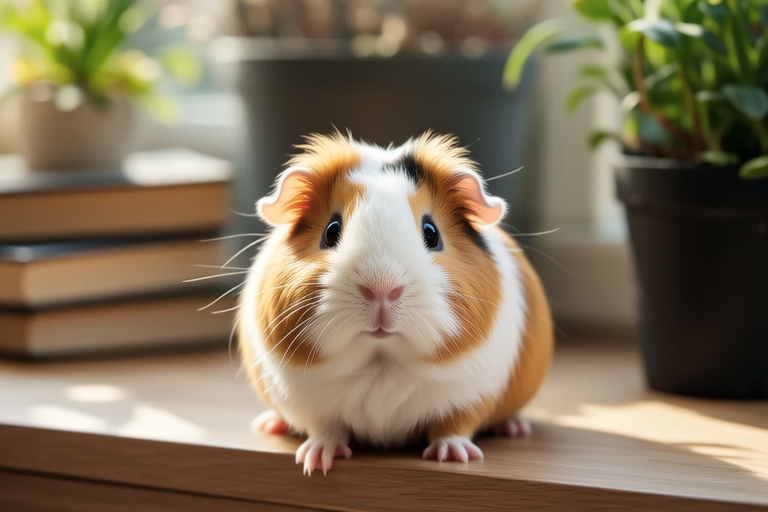
Secret Tips Every Guinea Pig Owner Should Know
Welcome to the world of guinea pig ownership! These adorable rodents make wonderful companions, but they also require specific care to thrive. This guide provides you with secret tips every guinea pig owner should know, covering essential advice on diet, habitat setup, exercise needs, grooming, health care, social interaction, and training. By following these guidelines, you’ll ensure your guinea pig lives a happy, healthy life.
Diet: The Foundation of Health
The foundation of any guinea pig’s health lies in its diet. Guinea pigs cannot produce vitamin C on their own, so it’s crucial to provide them with a balanced diet rich in this vital nutrient. Fresh vegetables like bell peppers, kale, and broccoli should be offered daily. Additionally, hay should form the bulk of their diet, as it aids digestion and prevents dental issues. Pellets specifically formulated for guinea pigs should also be provided in moderation. Avoid feeding them sugary treats or processed foods, as these can lead to obesity and other health problems. For more information, consult the Guinea Pig Care Manual.
Habitat Setup: Creating a Safe and Comfortable Home
A well-set-up habitat is essential for your guinea pig’s happiness and well-being. Choose a spacious cage with at least 4 square feet of space per guinea pig. The cage should have solid flooring to prevent injuries from wire bottoms. Line the cage with bedding made from recycled paper or wood shavings, avoiding cedar and pine due to their aromatic oils. Provide hiding spots, tunnels, and toys to stimulate your guinea pig mentally and physically. Ensure the cage is placed in a quiet area away from direct sunlight and drafts. Regular cleaning is crucial; spot clean daily and perform a thorough cleaning weekly.
Exercise Needs: Encouraging Physical Activity
Guinea pigs need regular exercise to maintain their physical and mental health. While their cage should be spacious, providing additional playtime outside the cage is beneficial. Supervised time in a safe, enclosed area allows them to explore and engage in natural behaviors. Rotate toys and tunnels to keep them entertained and prevent boredom. Consider creating an obstacle course with cardboard boxes or tunnels for added enrichment. Remember, guinea pigs are prey animals, so they may feel stressed in unfamiliar environments. Always introduce new elements gradually and ensure their safety.
Grooming: Keeping Your Guinea Pig Clean and Healthy
Grooming is an important aspect of guinea pig care. Regular brushing helps remove loose fur and prevent hairballs. Use a soft-bristled brush designed for small animals. Long-haired guinea pigs may require more frequent brushing to prevent matting. Trimming nails every few weeks is necessary to prevent overgrowth, which can cause discomfort and difficulty walking. Bathing should be minimal, as guinea pigs are self-grooming animals. If bathing is necessary, use a gentle, pH-balanced shampoo and ensure they are completely dry afterward to prevent respiratory infections. Consult a veterinarian if you’re unsure about grooming techniques.
Health Care: Preventing and Managing Illnesses
Regular veterinary check-ups are crucial for maintaining your guinea pig’s health. Schedule annual visits for routine examinations and vaccinations. Monitor your guinea pig for signs of illness, such as lethargy, loss of appetite, or changes in bathroom habits. Early detection and treatment can prevent serious health issues. Common health problems include dental disease, respiratory infections, and obesity. Providing a balanced diet, appropriate exercise, and a stress-free environment can help prevent many of these conditions. Establish a relationship with a trusted veterinarian who specializes in exotic pets to ensure your guinea pig receives the best care possible.
Social Interaction: Fostering Strong Bonds
Guinea pigs are social animals and thrive in the company of others. If possible, consider adopting a pair of guinea pigs, as they enjoy companionship and will be less likely to become lonely. Introducing two guinea pigs requires patience and careful planning. Place their cages next to each other initially to allow them to get used to each other’s scent. Once they seem comfortable, supervise their first meeting closely. Be prepared for some initial aggression, but most guinea pigs will bond over time. If you only have one guinea pig, spend quality time with them daily to strengthen your bond. Guinea pigs can recognize their owners and respond to their voices, making them excellent companions.
Training: Teaching Basic Commands
Training your guinea pig can be both fun and rewarding. Positive reinforcement techniques, such as offering treats and praise, work best for guinea pigs. Start with simple commands like “come” or “sit.” Hold a treat above their head to encourage them to sit up. Once they understand the command, gradually phase out the treat. Teach them to come by calling their name and rewarding them when they approach. Consistency is key in training. Keep sessions short and enjoyable to avoid overwhelming your guinea pig. Training not only strengthens your bond but also provides mental stimulation, reducing the risk of behavioral issues.
Unique Insights: Enhancing Your Guinea Pig’s Quality of Life
There are several lesser-known tips that can enhance your guinea pig’s quality of life. Providing a variety of textures in their environment, such as soft blankets and hard chew toys, can prevent boredom and promote mental stimulation. Incorporating ramps and steps into their habitat encourages physical activity and exploration. Playing calming music or white noise can reduce stress and anxiety, especially during thunderstorms or loud household activities. Introducing new foods gradually allows your guinea pig to adapt to different tastes and nutrients. Regularly rotating toys keeps their environment interesting and engaging. Finally, spending time observing your guinea pig’s behavior can help you better understand their needs and preferences.
Conclusion: A Happy Guinea Pig is a Healthy Guinea Pig
By following these secret tips, you’ll create a nurturing environment for your guinea pig, ensuring they live a long, healthy, and joyful life. Remember, guinea pigs are sensitive creatures that require consistent care and attention. Take the time to learn about their unique needs and preferences, and you’ll form a strong bond with your furry friend. With proper diet, habitat setup, exercise, grooming, healthcare, social interaction, and training, you’ll be well-equipped to provide the best possible life for your guinea pig.
