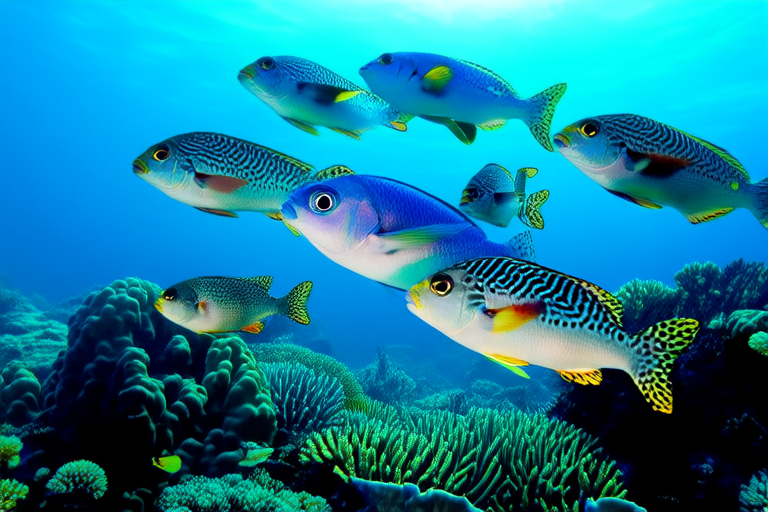
Top 7 Facts You Didn’t Know About Parrot Fish
Parrot fish are some of the most vibrant and fascinating creatures found in the world’s oceans. Known for their bright colors and unique physical traits, these fish play crucial roles in coral reef ecosystems. This article delves into seven lesser-known facts about parrot fish that will surely pique your interest.
1. The Sleeping Habits of Parrot Fish: A Fascinating Nighttime Ritual
One of the most intriguing aspects of parrot fish is their nighttime behavior. Unlike many other fish species, parrot fish secrete a protective mucus cocoon before they sleep. This transparent cocoon acts as a barrier against predators and parasites, allowing the fish to rest peacefully. Scientists believe this mucus also masks the scent of the fish, further protecting them from nocturnal hunters. The process of creating this cocoon is complex and involves specialized glands near the gills, which produce the mucus. This unique adaptation showcases the parrot fish’s remarkable ability to adapt to their environment for survival.
2. Role in Coral Reef Ecosystems: Architects and Gardeners of the Sea
Parrot fish are vital to the health of coral reefs, serving as both architects and gardeners. These fish feed on algae that can overgrow and smother corals, thus preventing the reefs from becoming choked. By grazing on these algae, parrot fish help maintain the balance between coral growth and algal proliferation. Additionally, their feeding habits contribute to the creation of sand. As they bite off pieces of coral and grind them up to digest the algae, they inadvertently create fine particles that eventually become part of the sandy substrate on which many marine organisms depend. This dual role highlights the importance of parrot fish in sustaining diverse and thriving coral reef ecosystems.
3. Ability to Change Color: A Kaleidoscope of Vibrancy
Parrot fish possess the remarkable ability to change color throughout their lives, adapting to different stages of maturity and environmental conditions. Juvenile parrot fish often display duller hues compared to their adult counterparts, which sport vivid and striking colors. This color-changing capability is not merely cosmetic; it plays a significant role in communication, camouflage, and attracting mates. Studies have shown that parrot fish can alter their pigmentation in response to stress or to blend in with their surroundings, making them adept at avoiding predators. This dynamic display of colors adds another layer of fascination to these already captivating fish.
4. Dietary Preferences: Grazing Masters of the Reef
The diet of parrot fish primarily consists of algae, which they consume using their powerful beaks. Their teeth are fused together to form a parrot-like beak, giving them the name ‘parrot fish.’ This beak allows them to scrape algae off rocks and coral, much like a lawnmower. Besides algae, some species of parrot fish may also eat small invertebrates and detritus. Their preference for algae-rich diets underscores their importance in maintaining the delicate balance within coral reef ecosystems. Understanding the dietary habits of parrot fish helps us appreciate the intricate web of life in marine environments.
5. Reproduction Methods: Complex and Diverse
Parrot fish exhibit various reproductive strategies depending on the species. Many species are protogynous hermaphrodites, meaning they start their lives as females but can later transition into males. Some species even have haremic systems, where a dominant male controls a group of females. During spawning, parrot fish release clouds of eggs and sperm into the water column, a process known as broadcast spawning. This method increases the chances of fertilization and ensures genetic diversity within populations. The complexity and diversity of their reproductive methods highlight the resilience and adaptability of parrot fish.
6. Defensive Mechanisms: More Than Just Mucus
Beyond the protective mucus cocoon, parrot fish employ other defensive tactics. Their vibrant colors can serve as a warning to potential predators, indicating that they might be toxic or difficult to digest. Additionally, some species of parrot fish can change their appearance dramatically when threatened, blending into their surroundings or displaying intimidating patterns. Their ability to rapidly alter their appearance demonstrates the sophisticated evolutionary adaptations that have enabled them to survive in challenging marine environments.
7. Unusual Behaviors: Beyond the Ordinary
Parrot fish exhibit several unusual behaviors that set them apart from other marine species. One such behavior is their tendency to travel in large schools during certain times of the year, particularly when mating or migrating. These schools can consist of hundreds of individuals, creating a visually stunning spectacle. Another fascinating behavior is their use of tools; some parrot fish have been observed using sea urchins as anvils to break open hard-shelled prey. Such innovative behaviors showcase the intelligence and adaptability of these remarkable fish.
Summary: The Importance of Parrot Fish in Marine Environments
In conclusion, parrot fish are not just colorful inhabitants of coral reefs but are also critical components of these ecosystems. From their unique sleeping habits and role in maintaining reef health to their ability to change color and their complex reproductive strategies, parrot fish demonstrate a rich array of adaptations and behaviors. Their contributions to marine biodiversity cannot be overstated. As we continue to explore and understand these fascinating creatures, it becomes increasingly clear that the preservation of parrot fish is essential for the overall health and sustainability of our oceans.
