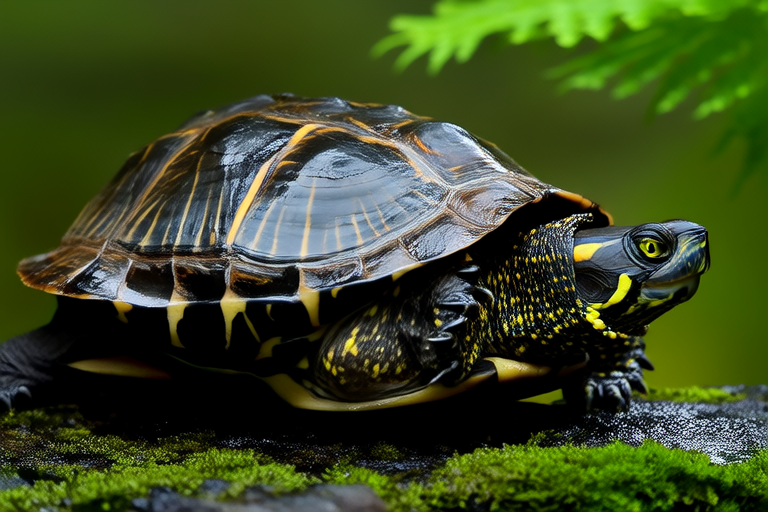
Adorable Three-Striped Box Turtle: A Beginner’s Guide to Perfect Pet Care
Welcome to the wonderful world of three-striped box turtles! These charming reptiles are known for their unique charm and are increasingly popular as pets among turtle enthusiasts. With their distinctive three yellow stripes on each side of their head, these turtles are not only visually appealing but also fascinating creatures that can make delightful companions. If you’re thinking about adopting one of these adorable turtles, this guide will help you understand everything you need to know to provide the best care for your new pet.
Understanding Your New Companion
The three-striped box turtle, scientifically named Terrapene carolina triunguis, is native to the United States. They are primarily found in the central and southern regions, where they thrive in open woodlands and grasslands. Known for their ability to completely close their shell, which provides excellent protection from predators, these turtles are hardy and relatively easy to care for compared to other species.
As a beginner, it’s important to understand the basic needs and behaviors of your three-striped box turtle. They are generally active during the day, spending time basking under the sun or exploring their surroundings. Their diet mainly consists of insects, plants, and small vertebrates in the wild, but as pets, they adapt well to a variety of commercially available foods. Understanding these basics will help you create a comfortable and stimulating environment for your turtle.
Habitat Setup
Choosing the Right Enclosure
The first step in setting up your turtle’s home is choosing the right enclosure. For a young or newly acquired turtle, a 20-gallon aquarium is sufficient. However, as your turtle grows, it will need more space. An adult turtle should have at least 40 gallons of water and land area combined. The enclosure should be large enough for the turtle to move around comfortably and explore different areas.
Land and water areas should be separated within the enclosure. The land area should consist of a substrate like coconut fiber, cypress mulch, or eco-earth, which retains moisture and mimics natural soil. This substrate should be at least two inches deep to allow burrowing and digging behavior. The water area should be shallow enough for your turtle to easily enter and exit, with a gradient sloping into deeper water.
Maintaining Temperature and Humidity
Temperature regulation is crucial for your turtle’s health. The ambient temperature in the enclosure should range between 75°F and 85°F (24°C to 29°C). Use a heat lamp or ceramic heater to maintain this temperature. A basking spot should be provided, with temperatures reaching up to 90°F (32°C) under a UVB light source, which is essential for calcium absorption and overall health.
Humidity levels should be kept between 60% and 80%. This can be achieved by misting the enclosure daily and ensuring there is always fresh water available. A humid hide, such as a damp moss-filled box, can also be provided for your turtle to retreat to when needed.
Dietary Needs
Nutritional Requirements
Three-striped box turtles are omnivores, meaning they eat both plant and animal matter. Their diet should include a balanced mix of protein-rich foods and vegetation. Younger turtles require more protein, while adults benefit from a higher proportion of plant-based foods.
Protein sources can include crickets, mealworms, earthworms, and occasional pinkie mice. Vegetables and fruits should make up a significant portion of their diet, including leafy greens like romaine lettuce, kale, and dandelion greens, as well as fruits like strawberries, blueberries, and melons. Commercial turtle pellets can also be included as part of their diet, but should not replace fresh foods.
Feeding Schedule
Feed your turtle every other day, offering as much food as they can consume in about 15 minutes. Remove any uneaten food to prevent contamination. It’s important to provide a varied diet to ensure your turtle receives all necessary nutrients. Consider supplementing their diet with calcium and vitamin D3, especially if they don’t get enough exposure to natural sunlight.
Health Care Essentials
Regular Check-ups
Just like any other pet, regular check-ups are essential for maintaining your turtle’s health. Look for signs of illness, such as lethargy, loss of appetite, swollen eyes, or respiratory issues. If you notice any concerning symptoms, consult a veterinarian specializing in reptiles.
Keep your turtle’s enclosure clean to prevent bacterial growth and disease. Change the water regularly and clean the substrate as needed. Disinfect the enclosure periodically using a reptile-safe disinfectant.
Vaccinations and Parasite Control
Unlike some other animals, three-striped box turtles do not require vaccinations. However, parasite control is important. Regular fecal examinations by a veterinarian can help detect and treat internal parasites. External parasites, such as mites, can be treated with appropriate products recommended by your vet.
Tips for Handling
Safe Handling Practices
When handling your turtle, always support its body with both hands, avoiding excessive pressure on its shell. Turtles can feel pain and discomfort if handled roughly, so gentle handling is key. Wash your hands before and after handling to avoid transferring bacteria or chemicals.
Avoid picking up your turtle too frequently, as they may become stressed if handled excessively. Let them acclimate to their environment and spend time observing their natural behaviors before interacting with them.
Enriching Your Turtle’s Environment
Providing Mental Stimulation
To keep your turtle mentally stimulated, provide toys and accessories that encourage exploration and play. Floating logs, rocks, and caves can serve as hiding spots and climbing structures. Plants and decorations can mimic their natural habitat, providing a more engaging environment.
Rotate toys and decorations periodically to keep your turtle interested and prevent boredom. You can also introduce new scents or textures to stimulate their senses.
