How to Safely Observe Heterometrus Spinifer: Tips for Animal Enthusiasts
Welcome, animal enthusiasts! Whether you’re a seasoned herpetologist or just starting your journey into the world of arachnids, understanding how to safely observe the Heterometrus spinifer can enrich your experience and contribute to the conservation of these fascinating creatures. This guide will provide you with a comprehensive overview of the Heterometrus spinifer, including its physical characteristics, habitat, behavior, and safety guidelines for observation.
The Scientific Background of Heterometrus Spinifer
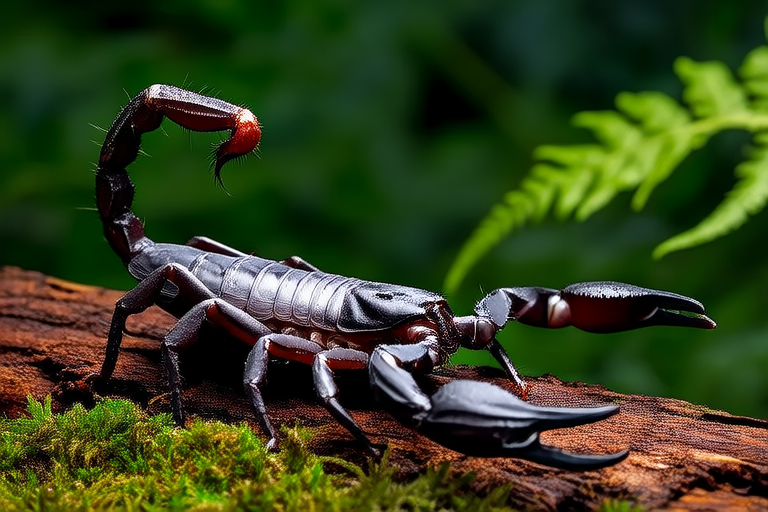
Heterometrus spinifer, commonly known as the spiny forest scorpion, is a species native to Southeast Asia, particularly found in Thailand, Malaysia, and Indonesia. These nocturnal arachnids are part of the family Scorpionidae and are known for their robust bodies and potent venom. The adult H. spinifer typically reaches lengths between 7 and 10 centimeters, making them one of the larger scorpion species.
Physical Characteristics:
- Coloration: Their color ranges from dark brown to black, which helps them blend into their surroundings.
- Spines: As suggested by their name, they have prominent spines along their tail, which are used both for defense and to aid in prey capture.
- Pedipalps: Large pincers used for grasping prey and sensing their environment.
- Tail: A segmented structure ending in a stinger, capable of delivering venom.
Habitat:
H. spinifer prefer humid, tropical environments. They are often found in dense forests, caves, and under rocks or logs. Their preference for moist conditions makes them well-suited for their habitats, where they can find shelter and prey.
Behavior:
Nocturnal in nature, H. spinifer are primarily active during the night. They hunt for small insects, spiders, and other invertebrates, using their keen sense of touch and chemoreception to locate prey. Despite their intimidating appearance, these scorpions are generally non-aggressive unless provoked. When threatened, they may display aggressive behavior, such as raising their tail or attempting to sting.
Safety Guidelines for Observing Heterometrus Spinifer
Observing H. spinifer can be an exhilarating experience, but it’s crucial to approach this activity with caution. Below are some guidelines to ensure your safety and that of the scorpion:
Maintaining Distance
One of the most important aspects of safely observing H. spinifer is maintaining a safe distance. Scorpions are territorial and may feel threatened if approached too closely. Use binoculars or a camera with a zoom lens to get a closer look without disturbing the creature. If you need to move closer, always do so slowly and avoid sudden movements that could startle the scorpion.
Proper Equipment Usage
Investing in the right equipment can enhance your observation experience while ensuring your safety. Consider the following:
- Flashlights: Use red light flashlights to illuminate your surroundings without startling the scorpions. Red light is less disruptive to their vision and allows for better observation.
- Gloves: Wear thick gloves to protect your hands when handling objects or moving through areas where scorpions might be present.
- First Aid Kit: Always carry a first aid kit that includes antivenom, if available, and basic supplies like bandages and antiseptic.
Understanding Defensive Mechanisms
To safely observe H. spinifer, it’s essential to understand their defensive mechanisms:
- Stinging: The primary method of defense involves the use of their stinger. While their venom is potent, it is usually not lethal to humans, causing localized pain and swelling.
- Posturing: Scorpions may raise their tail and body as a warning sign. This posture should be taken seriously and interpreted as a signal to back away.
Respect these behaviors and avoid provoking the scorpion. If you encounter one in the wild, it’s best to observe from a distance and allow the scorpion to continue its natural activities undisturbed.
Ethical Observation Practices
Responsible observation is key to ensuring the welfare of both the observer and the observed. Here are some ethical practices to consider:
Minimizing Disturbance
When observing H. spinifer, try to minimize any disturbance to their natural environment. Avoid altering their habitat or removing objects that provide cover. Be mindful of other wildlife in the area and respect their space as well.
Respecting the Natural Environment
It’s important to leave no trace of your visit. Dispose of waste properly and avoid littering. If you bring equipment into the field, ensure that you remove all traces of it when you leave. This helps maintain the integrity of the ecosystem and ensures that future visitors can enjoy the same pristine environment.
Supporting Conservation Efforts
Consider supporting local conservation efforts aimed at protecting H. spinifer and their habitats. By participating in citizen science projects or donating to reputable organizations, you can contribute to the preservation of these remarkable creatures.
Conclusion
Observing Heterometrus spinifer can be a thrilling and educational experience. By understanding their physical characteristics, habitat, and behavior, you can approach these interactions with confidence and respect. Remember to prioritize safety by maintaining a safe distance, using proper equipment, and understanding their defensive mechanisms. Ethical observation practices, such as minimizing disturbance and respecting the natural environment, are crucial for the long-term health of these fascinating creatures.
For further learning about scorpions, consider visiting your local library or bookstore for books on arachnology. Many online courses and webinars also offer insights into the world of scorpions and other arachnids. Encouraging responsible animal interaction not only enhances your experience but also contributes to the conservation of these incredible creatures.
