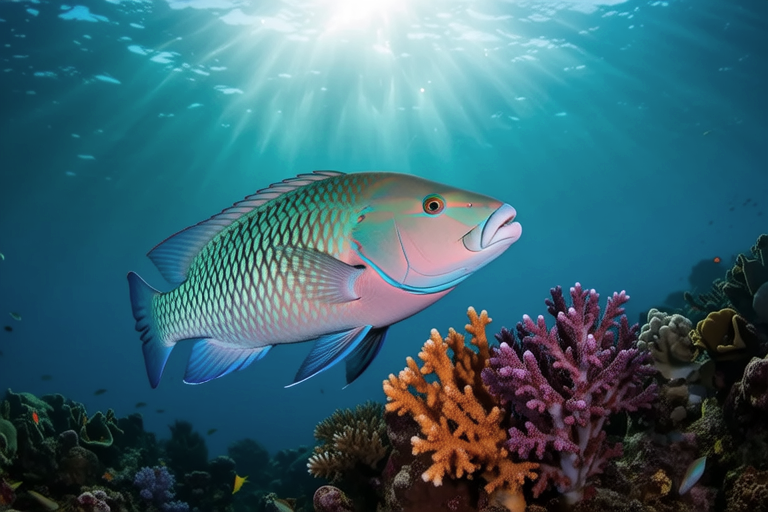
The Hidden Communication Skills of Parrot Fish Unveiled
Parrot fish are among the most colorful and fascinating creatures in the ocean. These vibrant fish are not just eye-catching due to their striking hues but also possess an array of intriguing communication skills that have only recently begun to be understood by scientists. This article delves into the hidden communication strategies of parrot fish, focusing on their unique underwater behaviors, sounds, and color changes.
Introduction to Parrot Fish Communication
Parrot fish, belonging to the family Scaridae, inhabit coral reefs around the world. They are known for their large, beak-like mouths used for scraping algae off rocks and coral. Their communication methods are crucial for survival, reproduction, and social interactions within their species. Unlike many other marine animals, parrot fish employ a combination of visual and acoustic signals to convey messages to one another.
Underwater Sounds: A Key to Understanding
Recent studies have highlighted the importance of sound in the lives of parrot fish. Scientists have discovered that these fish produce a variety of sounds, which they use to communicate different types of information. One of the most notable sounds is produced during feeding. When parrot fish scrape algae from coral surfaces, they create a distinctive grinding noise that can travel long distances through water. This sound serves as a territorial marker, warning other parrot fish to stay away from their feeding grounds.
Another significant sound is made during courtship. Male parrot fish produce a series of clicks and pops, which are believed to attract females and establish dominance over rivals. These sounds are often accompanied by complex body movements, creating a multi-modal approach to communication. The frequency and intensity of these sounds vary depending on the urgency of the message being conveyed, providing a rich auditory landscape for parrot fish interactions.
Color Changes: More Than Just Aesthetic
Beyond sounds, parrot fish also rely heavily on color changes for communication. These fish can alter their colors rapidly, sometimes within seconds, in response to environmental stimuli or emotional states. For instance, when threatened by predators, parrot fish may adopt darker shades to blend into their surroundings, making them less visible. Conversely, during mating rituals, males often display bright, contrasting colors to attract potential mates.
Research indicates that these color changes are not random but are part of a sophisticated signaling system. The rapid shifts in pigmentation are controlled by specialized cells called chromatophores, which expand or contract to change the fish’s appearance. This ability to manipulate their coloration allows parrot fish to convey a wide range of messages, from aggression to submission, without needing to engage in direct physical contact.
Body Movements: Silent Yet Effective
In addition to sounds and colors, parrot fish utilize body movements to communicate. These movements can include tail flicks, head shakes, and fin displays. For example, when two male parrot fish compete for territory or a mate, they often engage in elaborate displays involving exaggerated swimming patterns and frequent stops and starts. These movements serve as a form of non-verbal communication, helping to establish hierarchies and resolve conflicts peacefully.
Scientists have observed that these movements are highly synchronized and follow specific patterns, suggesting that there is a learned component to parrot fish behavior. This complexity in movement patterns adds another layer to their communication repertoire, making it richer and more nuanced than previously thought.
Comparing Parrot Fish Communication to Other Marine Animals
To fully appreciate the uniqueness of parrot fish communication, it is useful to compare their methods with those of other marine animals. For instance, dolphins use echolocation to navigate and find prey, while octopuses employ camouflage to avoid detection. In contrast, parrot fish combine multiple forms of communication—sounds, colors, and movements—to interact with their environment and each other.
What sets parrot fish apart is the versatility and adaptability of their communication systems. While some marine animals specialize in one type of signal (like echolocation in dolphins), parrot fish integrate various modes to achieve diverse outcomes. This multifaceted approach allows them to respond effectively to a wide range of situations, from avoiding predators to finding food and mates.
Implications for Marine Biology and Conservation Efforts
The discovery of advanced communication skills in parrot fish has profound implications for marine biology and conservation efforts. Understanding these hidden skills provides valuable insights into the ecological roles of parrot fish within coral reef ecosystems. For instance, knowing how parrot fish defend their territories can help researchers design more effective marine protected areas, ensuring that these fish have adequate space to thrive.
Moreover, recognizing the importance of sound in parrot fish communication underscores the need for stricter regulations on underwater noise pollution. Human activities such as shipping, drilling, and recreational boating can disrupt the acoustic environment of coral reefs, potentially interfering with parrot fish communication. By studying the effects of noise pollution on parrot fish, conservationists can develop strategies to mitigate its impact and protect these vital species.
Finally, the study of parrot fish communication highlights the interconnectedness of marine life. As we learn more about how different species interact, we can better understand the delicate balance of ocean ecosystems. This knowledge is essential for developing sustainable conservation practices that safeguard not just individual species but entire habitats.
Conclusion
The hidden communication skills of parrot fish offer a fascinating glimpse into the complex world of marine life. Through a combination of underwater sounds, color changes, and body movements, these fish have developed a sophisticated system of interaction that ensures their survival and success in coral reef environments. By continuing to explore and understand these unique communication methods, scientists and conservationists can work together to protect parrot fish and the diverse ecosystems they inhabit.
