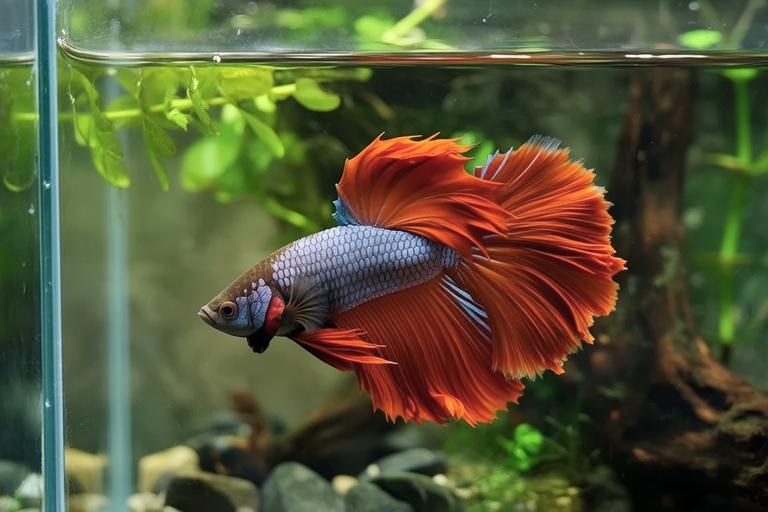
The Ultimate Betta Habitat Setup: Tips for Creating an Ideal Tank Environment
Creating the perfect habitat for your betta fish is essential for their health, happiness, and longevity. Bettas are vibrant, territorial fish that require specific conditions to thrive. This comprehensive guide will walk you through every aspect of setting up an ideal tank environment for your betta, from choosing the right tank size to maintaining a balanced ecosystem.
Selecting the Appropriate Tank Size
The first step in creating an ideal betta habitat is selecting the right tank size. While bettas can survive in smaller containers, they truly flourish in larger environments. A tank with at least five gallons of water provides ample space for swimming and helps maintain stable water conditions. Larger tanks also allow for better filtration and oxygenation, crucial factors for a healthy betta.
It’s important to note that while bettas are often sold in small cups, these are temporary homes. For long-term care, a minimum of two to three gallons is recommended, but bigger is always better. Opt for a rectangular tank that allows horizontal swimming, as bettas enjoy exploring their surroundings.
Filtration Systems
A reliable filtration system is vital for maintaining clean water and removing harmful waste products. Choose a filter that suits your tank size and ensures gentle water movement without overwhelming your betta. Filters help keep the water clear by removing debris, excess food, and waste, which can otherwise lead to ammonia spikes and poor water quality.
Canister filters or sponge filters are excellent choices for betta tanks due to their gentle flow and efficient cleaning capabilities. They also provide beneficial bacteria colonies necessary for breaking down toxic substances, contributing to a balanced ecosystem.
Water Parameters: Temperature and pH Levels
Maintaining optimal water parameters is crucial for your betta’s health. Bettas prefer warm water temperatures between 76°F and 82°F (24°C to 28°C). Invest in a heater to keep the water temperature stable and avoid sudden fluctuations that can stress your fish. Use a thermometer to monitor the temperature regularly.
As for pH levels, bettas thrive in slightly acidic to neutral water, with a pH range of 6.5 to 7.5. Regular testing with a pH kit will ensure your water remains within this range. Adjustments can be made using pH buffers if necessary, but it’s best to let the water settle for a few days before introducing your betta.
Substrate Choices
The choice of substrate plays a significant role in both the aesthetics and functionality of your betta’s habitat. Gravel or sand are popular options, offering a natural look and providing surfaces for beneficial bacteria to colonize. Avoid sharp or large substrates that could injure your betta.
For aesthetic appeal, consider using colored gravel or sand to complement your tank’s decor. However, be mindful of the color contrast with your betta’s vibrant hues, ensuring visibility and visual harmony. Additionally, some substrates can influence water chemistry, so choose wisely based on your tank’s specific needs.
Decorations for Hiding and Exploration
Bettas are territorial and appreciate having places to hide and explore. Incorporate caves, driftwood, and live or artificial plants into your tank setup. These decorations not only provide shelter but also stimulate your betta’s natural behaviors. Ensure there are open spaces for swimming and avoid overcrowding the tank.
Plants, whether real or fake, serve multiple purposes. They offer hiding spots, promote territorial behavior, and enhance the tank’s beauty. Live plants like Java Fern, Anubias, and Hornwort are excellent choices as they also contribute to oxygenation and absorb toxins. If opting for artificial plants, choose high-quality ones that mimic natural foliage.
Lighting Considerations
Proper lighting enhances the overall ambiance of your tank and benefits your betta’s well-being. Select a light fixture that provides adequate illumination without overheating the water. LED lights are energy-efficient and come in various colors, allowing you to customize the mood of your tank.
While bettas enjoy periods of darkness, they also benefit from regular light cycles. Aim for 8 to 12 hours of light per day, simulating natural daylight patterns. This routine helps regulate your betta’s circadian rhythm and promotes healthy sleeping habits.
The Importance of Regular Maintenance
Consistent maintenance is key to maintaining a healthy tank environment. Perform weekly water changes, replacing approximately 25% of the water each time. This process removes accumulated waste and replenishes essential minerals. Always treat new water with a dechlorinator to neutralize harmful chemicals.
Cleaning the tank glass, removing algae, and checking equipment regularly are also part of good maintenance practices. Inspect your filter, heater, and other devices monthly to ensure they are functioning correctly. By staying proactive, you’ll create a stable and thriving ecosystem for your betta.
Introducing Plants for Oxygenation and Aesthetic Appeal
Incorporating live plants into your betta’s habitat offers numerous benefits beyond just aesthetics. Plants contribute to oxygenation through photosynthesis, producing oxygen during daylight hours. This is particularly beneficial in smaller tanks where oxygen levels may fluctuate more frequently.
Additionally, live plants act as natural filters, absorbing nitrates and other pollutants. They also provide hiding spots and spawning sites, encouraging natural behaviors. When selecting plants, choose species that thrive in tropical environments and are compatible with betta fish. Ensure they are free from pests and diseases before introducing them to your tank.
Supporting Bettas’ Territorial Nature While Offering Comfort and Stimulation
Bettas are known for their territorial tendencies, so it’s important to design their habitat with this in mind. Provide ample space for swimming and territories, avoiding overcrowded setups that could lead to stress and aggression. Floating plants or a sturdy divider can help define individual territories within a community tank.
To keep your betta mentally stimulated, include interactive elements like floating toys or sinking treats. These additions encourage exploration and play, enriching your betta’s daily life. Regularly rearrange decorations to prevent boredom and stimulate curiosity. A mentally engaged betta is a happier and healthier one.
The Significance of a Balanced Ecosystem for Betta Health and Longevity
Creating a balanced ecosystem is fundamental to your betta’s health and longevity. This involves maintaining proper water parameters, providing suitable habitats, and fostering beneficial bacterial colonies. A stable environment reduces stress and supports immune function, enabling your betta to fight off diseases more effectively.
By adhering to the guidelines outlined in this article, you’ll establish a thriving ecosystem that meets all of your betta’s physical and psychological needs. Remember, a well-maintained habitat not only benefits your fish but also enhances the enjoyment of owning these captivating creatures.
