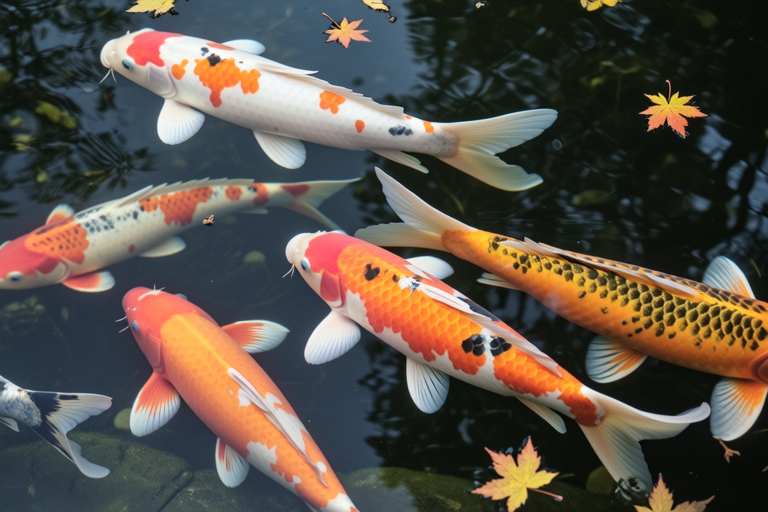
Top 10 Myths About Koi Fish You Need to Stop Believing
Koi fish, known for their vibrant colors and graceful movements, have long been a favorite among aquarium enthusiasts and pond owners alike. However, many misconceptions surround these beautiful creatures, leading to improper care and management. This article aims to debunk ten of the most common myths about koi fish, offering you accurate information to ensure your koi thrive in their environment.
Myth 1: Koi Fish Only Live a Few Years
One of the most widespread myths about koi fish is that they only live a few years. In reality, koi can live much longer, with some reaching ages over 30 years. The oldest recorded koi fish lived to be 226 years old, according to Guinness World Records. Proper care, including a well-maintained pond with clean water and a balanced diet, can significantly extend their lifespan.
Myth 2: Koi Fish Are Easy to Care For
Another misconception is that koi fish are easy to care for. While they may seem simple to maintain at first glance, koi require specific environmental conditions to thrive. They need a spacious pond with ample filtration systems, regular water changes, and appropriate feeding schedules. Neglecting any of these factors can lead to health issues and shortened lifespans.
Myth 3: All Koi Fish Are Created Equal
Some people believe that all koi fish are the same, but this couldn’t be further from the truth. There are various breeds of koi fish, each with unique characteristics. For instance, the Kohaku has red and white scales, while the Sanke features three colors—red, black, and white. Understanding the different breeds can help you choose the right type of koi for your pond and provide them with the best care possible.
Myth 4: Koi Fish Can Survive in Any Pond
Contrary to popular belief, koi fish cannot survive in just any pond. They require specific water parameters, such as pH levels between 7.2 and 8.5, temperatures ranging from 15°C to 25°C (59°F to 77°F), and adequate oxygenation. Additionally, the pond should be large enough to accommodate their growth and provide plenty of swimming space.
Myth 5: Koi Fish Don’t Need Food During Winter
It’s often thought that koi fish don’t need food during winter because they hibernate. However, while koi do slow down their metabolism in colder months, they still require nutrition to maintain their health. Feeding them specialized cold-water pellets can help them survive the winter without compromising their well-being.
Myth 6: Koi Fish Are Low-Maintenance Pets
Despite their popularity, koi fish are far from low-maintenance pets. Regular maintenance tasks include cleaning filters, checking water quality, and monitoring temperature fluctuations. Ignoring these responsibilities can result in poor water quality, which may harm your koi fish.
Myth 7: Koi Fish Don’t Need UV Filtration
Many pond owners assume that UV filtration isn’t necessary for koi ponds. However, UV filtration plays a crucial role in controlling algae growth and maintaining clear water. Without proper filtration, algae can bloom, reducing oxygen levels and creating an unhealthy environment for your koi.
Myth 8: Koi Fish Can Be Kept in Small Ponds
Another common myth is that koi fish can be kept in small ponds. However, koi grow rapidly and require ample space to swim freely. A general rule of thumb is to provide at least 100 gallons of water per inch of fish. Ensuring sufficient space allows your koi to exercise and reduces stress.
Myth 9: Koi Fish Are Not Social Creatures
Some believe that koi fish are solitary creatures, but this is incorrect. Koi are social animals that enjoy interacting with each other and their human caretakers. They often gather around the edge of the pond when fed and can recognize individual handlers. Providing a community of koi can enhance their social interactions and overall happiness.
Myth 10: Koi Fish Can Be Fed Any Type of Food
Finally, there’s the misconception that koi fish can eat any type of food. While they may nibble on various items, it’s essential to feed them high-quality koi-specific pellets designed to meet their nutritional needs. Offering a varied diet can promote healthy growth and vibrant coloration. Avoid feeding them bread or other human foods, as these can cause digestive problems.
General Advice for Koi Fish Enthusiasts
Now that we’ve debunked these ten myths about koi fish, here are some general tips for those interested in keeping these magnificent creatures:
- Research thoroughly: Before setting up a koi pond, take time to learn about the species’ specific requirements. Understanding their needs will help you create an ideal habitat.
- Invest in quality equipment: High-quality filtration systems, heaters, and UV sterilizers can make a significant difference in maintaining water quality and ensuring your koi’s health.
- Monitor water parameters: Regularly check pH levels, ammonia, nitrite, and nitrate concentrations to ensure optimal water conditions.
- Provide proper nutrition: Feed your koi high-quality, nutrient-rich food to support their growth and health.
- Regular maintenance: Perform routine tasks like cleaning filters and removing debris to keep your pond in top condition.
By following these guidelines and avoiding common misconceptions, you’ll be well on your way to becoming a successful koi fish enthusiast. Remember, proper care and attention are key to keeping your koi healthy and happy for many years to come.
