Living with an Abyssinian: Tips for New and Future Owners
Welcome to the fascinating world of Abyssinian cats! These beautiful, intelligent, and active felines have captured the hearts of many cat lovers around the globe. If you’re considering bringing an Abyssinian into your home or are already living with one, this guide will provide you with essential information and practical advice to ensure a happy and healthy life together.
The Unique Characteristics of Abyssinians
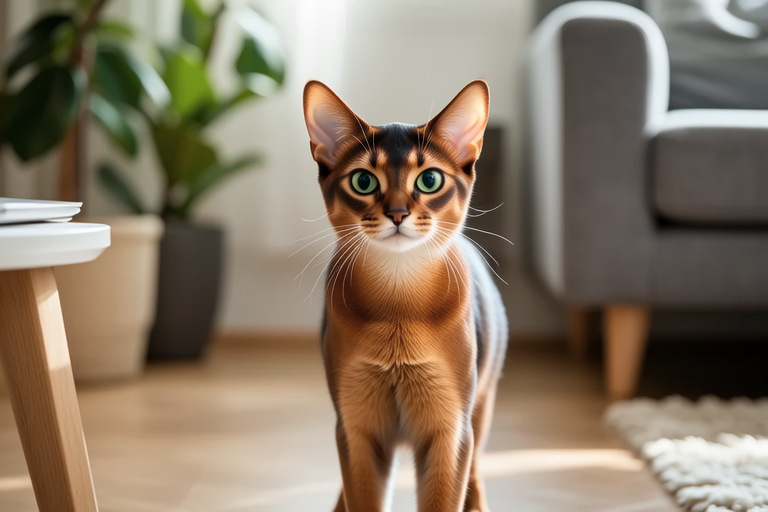
Abyssinians are known for their striking appearance and high energy levels. With their sleek, short-haired coats and captivating green or gold eyes, they stand out among other breeds. Their playful and curious nature makes them excellent companions for those who enjoy an interactive and engaging pet. However, their high energy means they require plenty of attention and activities to keep them entertained and mentally stimulated.
Energy Levels
Abyssinians are renowned for their boundless energy. They love to play and explore, often engaging in bursts of activity that can leave even the most active humans breathless. This breed thrives on interaction and enjoys games that challenge their agility and intelligence. Providing toys that encourage problem-solving, such as puzzle feeders, can help satisfy their need for mental engagement.
Grooming Needs
Despite their short fur, Abyssinians require regular grooming to maintain their coat’s lustrous appearance. Weekly brushing helps remove loose hair and prevents matting. Bathing is generally unnecessary unless your Abyssinian gets particularly dirty, but regular brushing will usually suffice. Additionally, Abyssinians may benefit from nail trimming every few weeks and dental hygiene maintenance to prevent oral health issues.
Dietary Requirements
A balanced diet is crucial for maintaining an Abyssinian’s health and energy levels. High-quality cat food rich in protein and low in carbohydrates is ideal. Consult with your veterinarian to determine the appropriate amount of food based on your cat’s age, weight, and activity level. Avoid feeding human food, especially items that are toxic to cats, such as chocolate, grapes, and onions.
Social Behavior
Abyssinians are social creatures that thrive in the company of their human families. They often form strong bonds with their owners and may follow them around the house, seeking attention and affection. While they can be independent, they also enjoy companionship and may become lonely if left alone for extended periods. Consider adopting two Abyssinians if you work long hours or frequently travel, as they enjoy the company of their own kind.
Meeting Exercise Needs and Mental Stimulation
Keeping an Abyssinian physically and mentally engaged is vital to their well-being. Here are some ideas to help meet their exercise needs and stimulate their minds:
Interactive Playtime
Schedule daily play sessions to give your Abyssinian ample opportunity to burn off excess energy. Use toys that mimic prey, such as feather wands or laser pointers, to engage their hunting instincts. Rotate toys periodically to maintain interest and prevent boredom. Interactive play also strengthens the bond between you and your cat, making it a rewarding experience for both of you.
Mental Enrichment
Provide puzzles and toys that challenge your Abyssinian’s mind. Cat trees with various levels and platforms encourage climbing and exploration. Treat-dispensing toys can offer mental stimulation while providing a tasty reward. Rotate toys regularly to keep things interesting and prevent boredom.
Safe Outdoor Access
If possible, allow your Abyssinian supervised access to the outdoors. A secure outdoor enclosure or leash training can provide safe opportunities for your cat to experience the sights, sounds, and smells of the natural world. Always supervise outdoor activities to ensure your cat’s safety.
Bonding Techniques
Building a strong bond with your Abyssinian requires time, patience, and consistent effort. Here are some tips to foster a close relationship:
Positive Reinforcement
Use treats, praise, and gentle strokes to reinforce good behavior. Reward your Abyssinian for using the litter box, scratching posts, and coming when called. Positive reinforcement encourages desirable behaviors and strengthens the bond between you and your cat.
Quality Time
Set aside dedicated time each day to spend with your Abyssinian. Engage in play, cuddle, or simply sit quietly together. Consistent quality time helps build trust and deepens your connection. Remember, Abyssinians value companionship and may become distressed if left alone for long periods.
Common Health Issues and Preventive Care
While Abyssinians are generally healthy, they are prone to certain genetic conditions. Regular veterinary check-ups and preventive care can help detect and manage potential health issues early.
Genetic Predispositions
Abyssinians are susceptible to several hereditary conditions, including:
- Feline Hyperesthesia Syndrome (FHS): Characterized by intense grooming, skin twitching, and tail chasing. Early intervention and management can improve quality of life.
- Hypertrophic Cardiomyopathy (HCM): A heart condition that thickens the walls of the heart chambers. Regular echocardiograms can help monitor heart health.
- Dermatological Issues: Abyssinians may develop allergies or skin sensitivities. Consult your veterinarian for appropriate treatments.
Preventive Care
Regular veterinary visits are essential for maintaining your Abyssinian’s health. Schedule annual wellness exams, vaccinations, and routine screenings. Discuss spaying or neutering with your veterinarian to prevent unwanted pregnancies and reduce the risk of certain cancers. Dental care is also important; brush your cat’s teeth regularly and provide dental chews to promote oral health.
Real-Life Tips and Personal Anecdotes
Here are some practical tips and personal experiences shared by Abyssinian owners:
Tip 1: Establish Routines
Establishing a consistent daily routine can help your Abyssinian feel secure and comfortable. Set regular feeding times, play sessions, and grooming schedules. This predictability provides a sense of structure and reduces stress.
Tip 2: Create a Safe Space
Create a quiet, cozy space where your Abyssinian can retreat when feeling overwhelmed. Provide comfortable bedding, soft blankets, and a variety of toys. Encourage your cat to use this space by placing treats and favorite items there.
Anecdote: The Playful Prowler
One owner recounts how their Abyssinian, named Shadow, turned their home into a playground. Shadow would leap from windowsill to bookshelf, then onto the dining table, creating a trail of paw prints across the room. To channel this energy, the owner installed a multi-level cat tree in the living room, providing Shadow with endless opportunities for climbing and exploring.
Tip 3: Engage in Training
Training your Abyssinian can strengthen the bond and teach valuable skills. Use positive reinforcement to train basic commands, such as ‘come’ and ‘stay.’ Clicker training can be particularly effective for teaching tricks and behaviors.
Anecdote: The Puzzle Solver
Another owner shares how their Abyssinian, Luna, became obsessed with puzzle toys. Luna would spend hours working through the challenges, earning treats along the way. The owner discovered that introducing new puzzles every few days kept Luna engaged and mentally stimulated.
Conclusion
Living with an Abyssinian is a rewarding experience filled with joy, companionship, and adventure. By understanding their unique characteristics and meeting their physical and emotional needs, you can ensure a happy and healthy life together. Embrace their energy, engage their minds, and shower them with love and attention. With proper care and attention, your Abyssinian will bring countless moments of happiness and laughter into your home.
