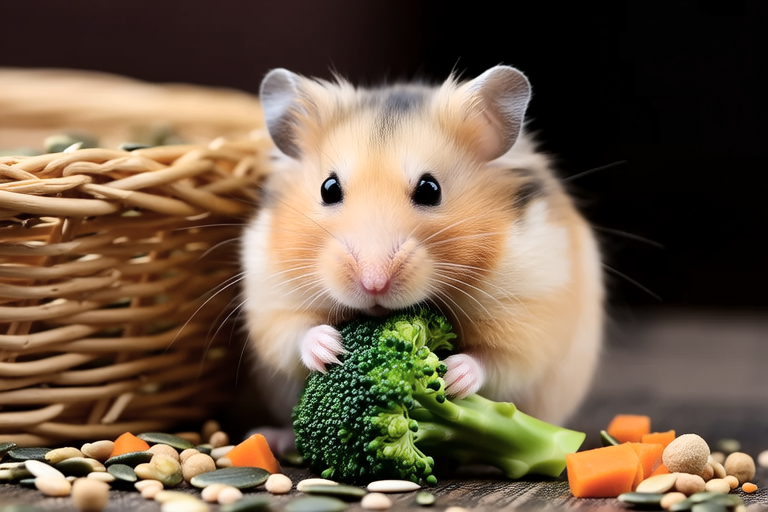
Unveiling the Best Treats and Diet Tips for Your Golden Hamster
Golden hamsters are small, adorable creatures that make wonderful pets. Their unique digestive systems require specific care to ensure they remain healthy and happy. Understanding their dietary needs is crucial for any hamster owner. This article will guide you through the best treats and diet tips to keep your golden hamster thriving.
Dietary Needs of Golden Hamsters
Golden hamsters have a sensitive digestive system that requires careful attention. They are omnivores, meaning they need both plant-based and animal-based foods. A balanced diet for a golden hamster includes proteins, fats, carbohydrates, vitamins, and minerals. Each of these nutrients plays a vital role in maintaining their health and well-being.
Nutritional Requirements
- Proteins: Essential for muscle growth and repair, proteins can come from sources like insects or meat.
- Fats: Important for energy storage and absorption of fat-soluble vitamins, healthy fats can be found in seeds and nuts.
- Carbohydrates: Provide energy, found in grains and vegetables.
- Vitamins: Necessary for various bodily functions, vitamins are abundant in fruits and vegetables.
- Minerals: Support bone health and other physiological processes, minerals are present in seeds and vegetables.
The Best Treats for Your Golden Hamster
While commercial hamster food provides a good base, adding treats can enhance their diet and provide variety. Here’s a list of some safe and beneficial treats for your golden hamster:
Fruits and Vegetables
Fruits and vegetables are excellent choices for treats. However, they should be given in moderation due to their high sugar content.
- Bell Peppers: Rich in vitamin C, offer about 1/4 teaspoon once or twice a week.
- Celery: High in fiber, provide 1/2-inch slice once or twice a week.
- Cucumber: Hydrating and low in calories, give 1/2-inch slice once or twice a week.
- Carrot: Contains beta-carotene, provide 1/8-inch slice once or twice a week.
Seeds and Nuts
Seeds and nuts are rich in fats and proteins but should be given sparingly due to their high caloric content.
- Sunflower Seeds: High in protein and healthy fats, offer 1-2 seeds once or twice a week.
- Pumpkin Seeds: Good source of zinc and magnesium, provide 1-2 seeds once or twice a week.
- Almonds: Rich in antioxidants, give 1 almond once or twice a week.
Commercial Treats
Many pet stores sell specially formulated hamster treats. These treats are designed to complement your hamster’s regular diet and should be given in moderation.
- Treat Sticks: Contain a mix of seeds and dried fruits, offer 1 stick once a week.
- Fortified Treats: Designed to support dental health, provide 1 treat once a week.
Potential Harmful Foods and Why to Avoid Them
Some foods are dangerous for golden hamsters and should be strictly avoided.
- Chocolate: Contains theobromine, which is toxic to hamsters.
- Onions and Garlic: Can cause hemolytic anemia.
- Citrus Fruits: High acidity can irritate their stomach.
- Fatty and Sugary Foods: Can lead to obesity and other health issues.
Diet Tips for Maintaining a Healthy Weight and Promoting Longevity
Proper feeding schedules and hydration are key to keeping your hamster healthy.
Feeding Schedules
Hamsters are nocturnal animals, so they are most active at night. Feed them during the evening when they are awake and ready to eat. Provide a consistent amount of food each day, avoiding overfeeding.
Importance of Fresh Water
Ensure your hamster has access to fresh water at all times. Clean the water bottle daily to prevent bacterial growth.
Observing Your Hamster’s Behavior and Health
Regularly monitor your hamster’s behavior and health. Look for signs of lethargy, loss of appetite, or changes in stool. If you notice any concerning symptoms, consult a veterinarian.
Adjust your hamster’s diet based on their activity level, age, and overall health. Younger hamsters may require more calories than older ones, while inactive hamsters might need fewer treats to avoid obesity.
In conclusion, providing a balanced diet rich in essential nutrients, offering safe treats, and avoiding harmful foods are crucial steps in ensuring your golden hamster leads a long and healthy life. By following these diet tips and closely monitoring your pet’s behavior and health, you can help your golden hamster thrive and enjoy many years of companionship.
