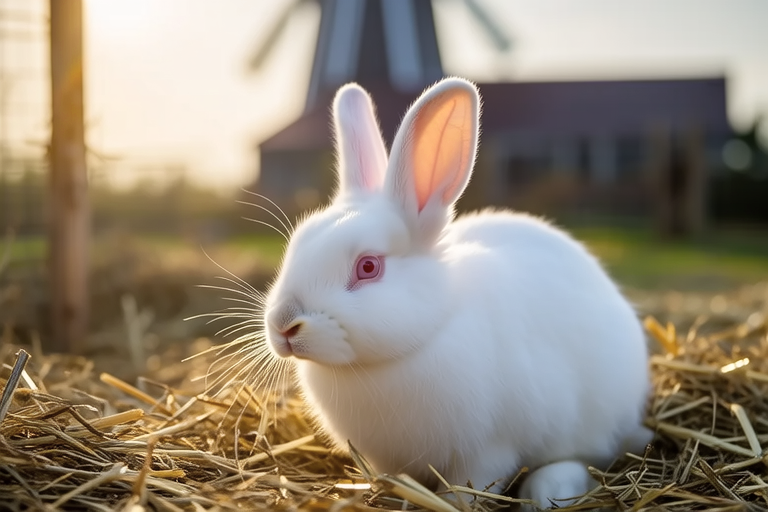
The Unique World of Dutch Dwarf Rabbits
The Dutch Dwarf rabbit is a breed with a rich history and distinct characteristics that make it a popular choice among rabbit enthusiasts. From its origins in royal harems to its current place in modern-day homes, this breed has captured the hearts of many with its charm and unique attributes.
A Brief History
The Dutch Dwarf rabbit’s journey began centuries ago when it was bred for the purpose of being kept in royal harems. These royal harems were collections of animals that were highly valued for their beauty and uniqueness. Over time, the Dutch Dwarf evolved into a breed known for its small size and friendly nature. Today, the Dutch Dwarf is cherished as a pet by families across the globe.
Distinctive Physical Traits
Dutch Dwarfs are small rabbits, typically weighing between 1.8 to 2.3 kilograms (4 to 5 pounds). They have a compact, sturdy body with a broad head and short, upright ears. Their coat is dense and soft, and they come in a variety of colors, including black, white, blue, chocolate, and lilac. The most notable feature of the Dutch Dwarf is its distinct color pattern, which includes a contrasting color on the back and sides of the body, and another color on the face, feet, and tail. This unique coloration gives them an elegant and striking appearance.
Temperament
Dutch Dwarfs are known for their friendly and gentle disposition. They are social animals that enjoy interacting with their human companions. Despite their small size, they are sturdy and can be handled comfortably by children, making them excellent pets for families. However, like all rabbits, they require proper handling and care to avoid stress or injury. It’s important to handle them gently, supporting their bodies and avoiding lifting them by their ears or legs.
Care Requirements
Housing
Dutch Dwarfs need a spacious living environment that allows them to move around freely and stretch their limbs. A cage or hutch that measures at least 60 cm x 90 cm (24 inches x 36 inches) is recommended for a single rabbit. The living area should be clean, dry, and well-ventilated. Providing hiding spots, toys, and tunnels can help stimulate their natural instincts and prevent boredom.
Dietary Needs
A balanced diet is essential for the health and longevity of your Dutch Dwarf. Their diet should consist primarily of hay, fresh vegetables, and a limited amount of pellets. Timothy hay is ideal for adult rabbits, while alfalfa hay is better suited for younger rabbits. Fresh vegetables such as carrots, bell peppers, and leafy greens can be offered in moderation. Avoid feeding them foods high in sugar or starch, as these can lead to digestive problems.
Exercise Habits
Regular exercise is crucial for maintaining the health of your Dutch Dwarf. In addition to providing a spacious living area, you should allow them supervised playtime outside of their enclosure. A safe, enclosed space, such as a rabbit-proofed room or a large exercise pen, is ideal for this purpose. Daily exercise helps prevent obesity and promotes overall well-being.
Common Health Issues
Like all breeds, Dutch Dwarfs are susceptible to certain health issues. Dental problems, such as overgrown teeth, are common in rabbits and can be managed through regular check-ups and a proper diet. Other potential health concerns include respiratory infections, gastrointestinal stasis, and skin conditions. Regular veterinary check-ups and prompt attention to any signs of illness are key to maintaining your rabbit’s health.
Responsibilities of Ownership
Owning a Dutch Dwarf rabbit comes with significant responsibilities. Providing a loving, stable home and meeting their physical and emotional needs are paramount. This includes ensuring a safe living environment, a nutritious diet, and regular exercise. Additionally, grooming your rabbit regularly and keeping their living area clean are important aspects of their care. Social interaction and mental stimulation are also vital for their well-being.
Breeding Practices
If you’re interested in breeding Dutch Dwarfs, it’s important to understand the responsibilities involved. Selecting healthy, well-socialized parents and ensuring proper genetic diversity are key considerations. Breeding should only be undertaken by experienced breeders who are committed to improving the breed’s health and temperament. Responsible breeding practices contribute to the overall welfare of the breed and the quality of life for the rabbits.
The Community Around Dutch Dwarfs
The Dutch Dwarf rabbit community is vibrant and supportive, offering resources and advice for both new and experienced owners. Online forums, local clubs, and social media groups provide opportunities for rabbit lovers to connect, share experiences, and learn from one another. Engaging with this community can enhance your understanding of your pet and provide valuable support throughout your ownership journey.
Tips for Potential Owners
- Research thoroughly: Before bringing a Dutch Dwarf home, research their specific needs and ensure you’re prepared to meet them.
- Provide proper housing: Choose a spacious, safe enclosure that meets their living and exercise needs.
- Establish a routine: Consistent feeding, cleaning, and play schedules help create a predictable and comforting environment for your rabbit.
- Seek professional advice: Consult with veterinarians and experienced breeders for guidance on care and breeding practices.
Anecdotes and Stories
One owner shared the story of their Dutch Dwarf, named Binky, who had a remarkable ability to communicate with her through subtle movements and sounds. Binky would hop to the door when she heard the owner’s car pulling into the driveway, eager for attention and treats. Another owner recounted how their Dutch Dwarf, Max, became a beloved member of their family, always finding ways to entertain and bring joy to everyone in the household. These anecdotes highlight the unique bond that can form between a Dutch Dwarf and its owner.
In conclusion, the Dutch Dwarf rabbit is a delightful and unique breed with a rich history and endearing qualities. By understanding their needs and providing proper care, you can ensure a happy and healthy life for your Dutch Dwarf. Whether you’re a seasoned rabbit owner or considering adding a Dutch Dwarf to your family, these charming creatures are sure to bring joy and companionship into your home.
