Living with a Siamese: Tips for Handling Their Unique Needs
Welcome to the world of Siamese cats, one of the most beloved and distinctive breeds in the feline kingdom. Known for their striking blue almond-shaped eyes, sleek coats, and captivating personalities, Siamese cats are not just pets; they are companions with unique needs and characteristics that require special care. This article will guide you through understanding and meeting the particular demands of living with a Siamese, ensuring both you and your cat enjoy a harmonious and fulfilling life together.
The Distinctive Personality of Siamese Cats
Siamese cats are renowned for their vocal nature, intelligence, and strong social bonds. They are often described as being more ‘dog-like’ in their behavior, as they can be quite talkative and affectionate. Their communication isn’t just limited to meowing; they have a wide range of vocalizations, from soft purrs to loud chirps, which they use to express themselves. If you’re looking for a silent housemate, a Siamese might not be the best fit, but if you’re ready for lively conversations, they’ll keep you entertained with their chatter.
In addition to their vocal prowess, Siamese cats are highly intelligent. They are quick learners and can be trained to perform tricks or respond to commands, making them engaging and interactive pets. Their intelligence also means they need mental stimulation to prevent boredom, which can lead to destructive behaviors. Providing puzzles, toys, and activities that challenge their minds is crucial for their well-being.
Socialization is another critical aspect of their personality. Siamese cats thrive in environments where they receive plenty of attention and interaction. They are not solitary creatures and may become depressed or anxious if left alone for extended periods. Therefore, it’s important to ensure they have companionship, whether from other pets, family members, or even interactive toys designed to simulate play with another animal.
Meeting Their Exercise Needs
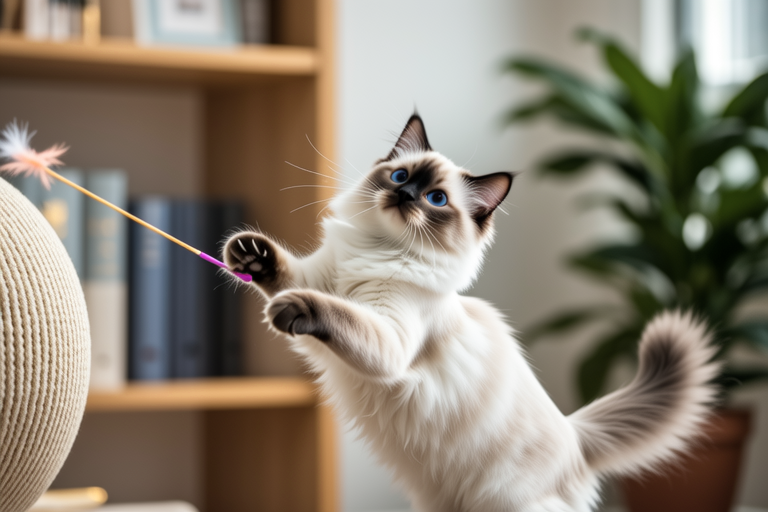
Siamese cats are naturally active and agile, requiring regular exercise to maintain their physical health and mental acuity. Encouraging playtime with toys such as feather wands, laser pointers, and interactive feeders can help them burn off excess energy and stay fit. Consider creating an obstacle course with tunnels, perches, and climbing structures to stimulate their curiosity and provide an outlet for their playful instincts.
Outdoor access can be beneficial for Siamese cats, provided it is done safely. Many Siamese owners opt for supervised outdoor time in a secure enclosure or leash training. This allows them to explore and engage with their surroundings while minimizing risks associated with outdoor living. Always prioritize safety when considering outdoor options for your Siamese.
Dietary Considerations
Siamese cats have specific dietary needs that must be addressed to ensure optimal health. These cats are prone to obesity, so it’s essential to monitor their food intake and provide a balanced diet rich in protein and low in fat. High-quality cat foods formulated for indoor or active lifestyles are ideal. Consult with your veterinarian to determine the appropriate portion sizes based on your Siamese’s age, weight, and activity level.
Hydration is equally important for Siamese cats. Some Siamese may prefer water from running sources like pet fountains, as they are more likely to drink more water this way. Ensuring they have access to clean, fresh water at all times can help prevent urinary tract issues, which are common in this breed.
Grooming Your Siamese Cat
Siamese cats have short, fine coats that require minimal grooming compared to long-haired breeds. However, regular brushing can help remove loose hair and distribute natural oils, keeping their coat shiny and healthy. Bathing is generally unnecessary unless your Siamese gets particularly dirty or develops skin issues.
Pay special attention to their ears and teeth. Siamese cats are prone to ear infections, so cleaning their ears with a gentle cleanser recommended by your vet can help prevent these. Dental hygiene is also crucial, as Siamese cats can develop periodontal disease. Brushing their teeth regularly and providing dental treats or toys can aid in maintaining good oral health.
Training and Socializing Your Siamese
Training your Siamese cat can be a rewarding experience for both you and your pet. Positive reinforcement techniques, such as treats and praise, work best for teaching them new behaviors. Start with simple commands like ‘sit’ or ‘come,’ gradually increasing the complexity of the tasks as your Siamese becomes more confident and responsive.
Socializing your Siamese cat from a young age is vital for their emotional development. Expose them to various stimuli, including different people, animals, and environments, to build their confidence and reduce the likelihood of fear-based aggression. This process should be gradual and positive, ensuring your Siamese feels safe and comfortable during each interaction.
Maintaining a Stimulating Environment
To keep your Siamese cat happy and healthy, it’s essential to provide a stimulating environment that meets their physical and mental needs. Incorporate vertical spaces, such as shelves and cat trees, to allow them to climb and perch. Interactive toys that mimic prey or offer puzzle-solving challenges can also enhance their cognitive abilities.
Consider creating a designated space for your Siamese, complete with cozy bedding, scratching posts, and hiding spots. This area should serve as a sanctuary where they feel safe and secure, promoting overall well-being. Regularly rotate toys and rearrange furniture to keep the environment interesting and prevent boredom.
Lastly, spending quality time with your Siamese cat is crucial for building a strong bond. Engage in activities they enjoy, such as playing fetch or simply lounging together. The more you interact with your Siamese, the happier and healthier they will be.
Living with a Siamese cat is a rewarding experience filled with companionship, joy, and challenges. By understanding their unique needs and providing appropriate care, you can ensure a fulfilling life for both you and your Siamese companion. Remember, every Siamese cat is an individual, so take the time to learn about your pet’s specific preferences and adjust your approach accordingly. With love, patience, and dedication, you’ll create a loving home where your Siamese cat can thrive.
