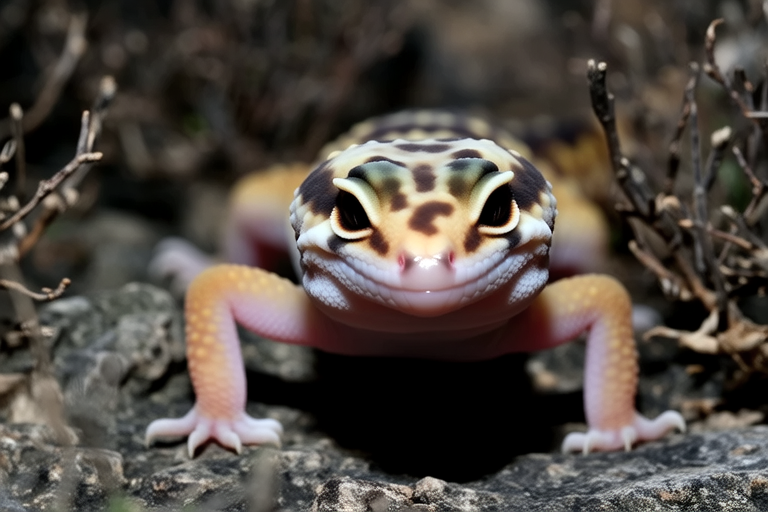
The Science Behind Chameleons Changing Colors
Chameleons have long been a subject of fascination due to their remarkable ability to change color. This unique characteristic has been the topic of many myths and misunderstandings. However, the science behind this phenomenon is both intricate and fascinating, involving complex physiological processes and specialized cell structures. Let’s delve into the world of chameleons and uncover the secrets of their color-changing abilities.
Physiological Processes and Cell Structures
The primary mechanism behind a chameleon’s color-changing ability lies within its skin. Unlike other reptiles, chameleons possess multiple layers of specialized cells known as chromatophores, which work together to produce a wide range of colors. These cells include:
- Iridophores: These cells contain tiny crystals that reflect light, creating iridescent hues. They are responsible for producing the vibrant blues and greens seen in many chameleon species.
- Xanthophores: Located beneath the iridophores, these cells contain yellow pigments and contribute to the production of orange, red, and brown colors.
- Guanophores: Positioned at the bottom layer, these cells contain dark pigments that can absorb light, resulting in darker shades like black or grey.
The process of color change begins when the brain sends signals to the chromatophores via the nervous system. These signals trigger the expansion or contraction of pigment-containing vesicles within the cells, altering the intensity of reflected or absorbed light. As a result, the chameleon’s skin appears to change color almost instantaneously.
Environmental Factors Triggering Color Changes
Several environmental factors can prompt a chameleon to alter its appearance:
- Light Intensity: Chameleons may adjust their colors based on the amount of light they receive. For instance, a bright sunny day might cause a chameleon to display more vibrant hues to enhance its visibility.
- Temperature: Since chameleons are ectothermic (cold-blooded) animals, they rely on external heat sources to regulate their body temperature. Darker colors tend to absorb more heat, while lighter colors reflect it. Therefore, chameleons may darken their skin to warm up or lighten it to cool down.
- Humidity: High humidity levels can influence a chameleon’s hydration status, potentially affecting its coloration. Some species may display brighter colors when well-hydrated.
Uses of Color Change: Communication, Camouflage, and Temperature Regulation
Color change serves multiple purposes in chameleons, including communication, camouflage, and temperature regulation.
Communication
Chameleons use their color-changing abilities to communicate with others of their species. For example, males often display vibrant colors during mating rituals to attract females or intimidate rivals. The panther chameleon (Furcifer pardalis) is known for its spectacular color displays, with males showing striking patterns of blue, green, and red to signal dominance or readiness to mate.
Additionally, chameleons may change color to express their mood or health status. A stressed or ill chameleon might appear duller or exhibit abnormal coloration, indicating that something is amiss.
Camouflage
Camouflage is one of the most well-known uses of color change in chameleons. By blending in with their surroundings, chameleons can avoid detection by predators or prey. The veiled chameleon (Chamaeleo calyptratus) is particularly adept at this, with its ability to match the color and texture of tree bark or leaves.
Temperature Regulation
As mentioned earlier, chameleons can adjust their colors to regulate their body temperature. The Jackson’s chameleon (Trioceros jacksonii) is an excellent example of this behavior. It may darken its skin to absorb more heat or lighten it to reflect sunlight and stay cooler.
Common Misconceptions About Chameleon Coloration
Despite popular belief, chameleons do not change color solely to blend in with their environment. While camouflage is indeed an important aspect of their color-changing abilities, it is just one of many functions. Other misconceptions include:
- Chameleons Can Only Change Colors When Stressed: While stress can trigger color changes, it is not the only factor. Chameleons change colors for various reasons, including communication, temperature regulation, and emotional expression.
- Chameleons Can Match Any Color: Chameleons cannot produce any color they want. Their color palette is limited to the combinations of pigments and light-refracting structures present in their chromatophores.
Examples of Different Species and Their Unique Coloring Abilities
Each chameleon species has its own unique set of coloring abilities, showcasing the diversity within the family Chamaeleonidae.
Parson’s Chameleon (Capsula parsonii)
The Parson’s chameleon is one of the largest chameleon species, measuring up to 68 centimeters in length. It is known for its impressive color-changing abilities, capable of displaying a wide range of colors, from deep purples to bright yellows. This species is also notable for its ability to change color rapidly, sometimes within seconds.
Labord’s Chameleon (Furcifer labordi)
Labord’s chameleon holds the record for the shortest lifespan among vertebrates, living for only 4 to 5 months. During this short life span, it undergoes significant color changes, starting as a juvenile with a brownish-green hue and transforming into an adult with vibrant yellow and black stripes. This rapid color change is believed to play a role in the species’ unique life cycle.
Bee-eater Chameleon (Rieppeleon brevicaudatus)
The Bee-eater chameleon is a small, arboreal species native to Tanzania. It is named for its distinctive bee-like markings and its ability to mimic the buzzing sound of bees. This species is known for its bright red and blue colors, which it uses for both communication and camouflage.
Conclusion
The science behind chameleons changing colors is a testament to the complexity and adaptability of nature. From the specialized cell structures that enable color change to the various environmental factors and purposes behind it, there is much to learn and appreciate about these fascinating creatures. By understanding the true mechanisms behind chameleon coloration, we can dispel common misconceptions and gain a deeper appreciation for the beauty and functionality of these remarkable reptiles.
