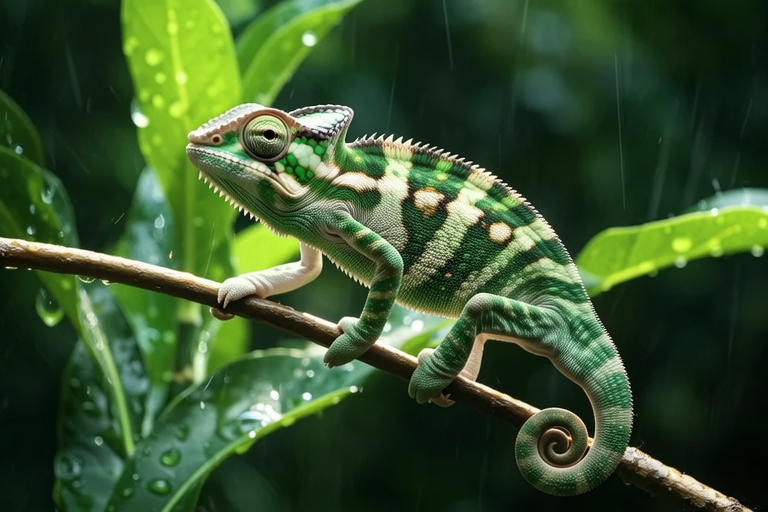
Chameleons Unveiled: Myth-Busting Common Misconceptions About These Unique Reptiles
Chameleons are one of the most fascinating creatures in the animal kingdom, known for their distinctive appearance and intriguing behaviors. These lizards belong to the family Chamaeleonidae and are characterized by their long, sticky tongues, independently rotating eyes, and the ability to change color. Native to Africa and Madagascar, these reptiles have captured human imagination for centuries, often leading to myths and misconceptions about their true nature.
Myth #1: Chameleons Change Color Solely For Camouflage
One of the most enduring myths about chameleons is that they change color exclusively for camouflage purposes. While it’s true that chameleons can alter their skin pigmentation, this ability serves multiple purposes beyond just blending into their surroundings. The primary reason chameleons change color is for communication, regulating body temperature, and expressing emotions such as stress or excitement.
Scientific research has shown that chameleons possess specialized cells called chromatophores, which contain different pigments. These cells expand or contract to reveal various colors. For instance, green chameleons may appear brown when they’re stressed or angry. This phenomenon is particularly evident during territorial disputes or mating rituals, where color changes serve as visual signals to other chameleons.
Myth #2: Chameleons Have 360-Degree Vision
Another misconception is that chameleons can see in every direction simultaneously due to their independently rotating eyes. While their eyes do rotate almost fully, allowing them to scan their environment without moving their heads, this does not equate to 360-degree vision. Instead, chameleons can look in two different directions at once, giving them a unique advantage in detecting predators and prey.
Research indicates that chameleons have excellent depth perception and binocular vision, which helps them accurately gauge distances when aiming their tongues at insects. This precision is crucial for their survival, as they rely heavily on ambush hunting techniques. Additionally, their eyes can move up to 180 degrees horizontally and vertically, providing a panoramic view of their surroundings. However, they cannot see directly behind themselves without turning their heads.
Myth #3: Chameleons Only Eat Insects
Many people believe that chameleons are strictly insectivorous, feeding solely on small bugs like crickets and grasshoppers. Although insects form a significant part of their diet, some species of chameleons also consume plant matter, especially in captivity. For example, veiled chameleons have been observed eating leaves and flowers, while panther chameleons sometimes eat fruit.
Studies suggest that providing a varied diet, including leafy greens, fruits, and occasional calcium supplements, can contribute to better overall health for captive chameleons. It’s important to note that the nutritional needs of chameleons can vary depending on their age, sex, and species. Responsible pet owners should consult with veterinarians specializing in reptiles to ensure their pets receive adequate nutrition.
Myth #4: Chameleons Thrive in Captivity
Contrary to popular belief, chameleons do not typically adapt well to life in captivity. Many species require specific environmental conditions to thrive, including appropriate humidity levels, temperatures, and access to natural sunlight. Without these essential factors, chameleons may suffer from health problems such as metabolic bone disease, respiratory infections, and stress-related disorders.
Experts recommend keeping chameleons in spacious enclosures that mimic their natural habitats. This includes providing climbing structures, hiding spots, and ample ventilation. Moreover, it’s crucial to use UVB lighting to help chameleons synthesize vitamin D3, which aids in calcium absorption. Regular veterinary check-ups are also recommended to monitor the health of captive chameleons and address any potential issues promptly.
Myth #5: Chameleons Can Survive on Limited Water Intake
There’s a widespread notion that chameleons can survive without drinking water because they obtain moisture from the air through their skin. While it’s true that chameleons can absorb some hydration from misting, this method alone is insufficient for meeting their daily water requirements. Inadequate hydration can lead to dehydration, kidney failure, and even death.
Chameleons need regular access to clean, fresh water. Some species prefer to drink from droplets on leaves, so misting plants within their enclosure is an effective way to provide water. Additionally, offering a shallow dish of water allows chameleons to drink directly if they choose. Monitoring your chameleon’s water intake and ensuring proper hydration are vital steps in maintaining its well-being.
Responsible Ownership and Conservation Efforts
For those considering chameleon ownership, it’s essential to approach this responsibility thoughtfully. Before acquiring a chameleon, prospective owners should thoroughly research the specific needs of the species they wish to care for. Consulting experienced breeders, veterinarians, and joining online communities can provide valuable insights and support.
Conservation efforts play a critical role in protecting wild chameleon populations. Habitat destruction, climate change, and illegal wildlife trade pose significant threats to many species. Supporting organizations dedicated to preserving natural habitats and promoting sustainable practices can make a difference. Additionally, raising awareness about the importance of responsible pet ownership helps prevent unnecessary suffering among captive chameleons.
In conclusion, chameleons are remarkable creatures with complex behaviors and unique adaptations. By understanding and addressing common myths surrounding these reptiles, we can foster a greater appreciation for their beauty and promote their well-being both in captivity and in the wild. Whether you’re a seasoned herpetologist or simply curious about these captivating animals, learning more about chameleons enriches our connection to nature and encourages us to act as stewards of the environment.
