The Secret Life of Bearded Dragons: Fun Facts and Fascinating Behaviors!
Bearded dragons, or Pogona vitticeps, are one of the most popular reptile pets worldwide. Their unique appearance, gentle demeanor, and fascinating behaviors make them a favorite among reptile enthusiasts and curious pet owners alike. In this article, we’ll dive into the secret life of these captivating creatures, exploring their physical adaptations, habitat, diet, social interactions, and providing valuable care tips for those considering adopting one as a pet.
Physical Adaptations
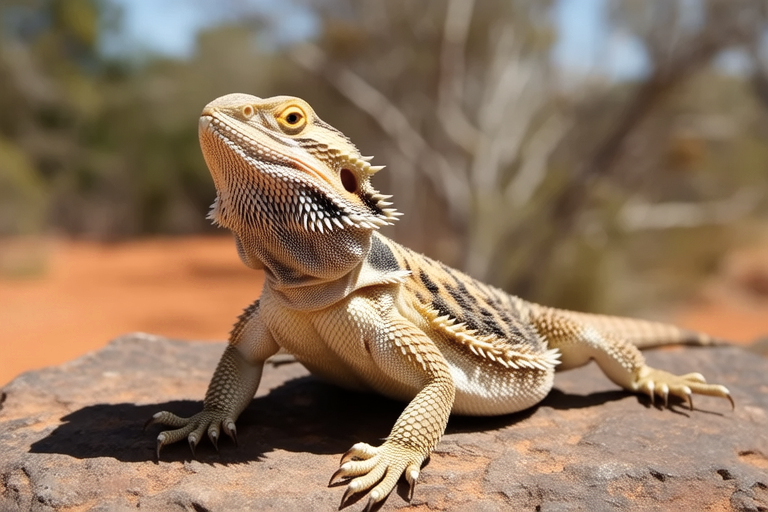
Bearded dragons are named for the spiky scales that extend from their throats, which resemble a beard. These scales can darken when the dragon feels threatened, acting as a warning signal to potential predators. The dragons also have a third eye on the top of their heads, known as the parietal eye. This light-sensitive organ helps them detect shadows and movements overhead, enhancing their survival in the wild.
Bearded dragons have strong limbs and claws that help them climb and dig. Their tails are prehensile, meaning they can use them to grip branches or rocks, aiding in climbing and balance. Their feet are equipped with sharp claws, perfect for gripping onto surfaces and digging burrows.
Another remarkable feature of bearded dragons is their ability to change color. They can lighten or darken their skin depending on their mood, temperature, or environment. This color-changing ability is especially useful for regulating their body temperature, as darker colors absorb more heat, helping them warm up quickly.
Habitat Details
Native to Australia, bearded dragons thrive in arid, semi-desert regions. They prefer rocky outcrops, open woodlands, and dry forests. Their natural habitat is characterized by sparse vegetation, rocky terrain, and occasional water sources. In the wild, bearded dragons spend most of their time basking in the sun or perching on elevated surfaces to survey their surroundings.
In captivity, it’s essential to replicate their natural habitat as closely as possible. A spacious terrarium with ample space for climbing and basking is ideal. Provide sturdy branches, rocks, and hides for your dragon to explore and rest. A UVB light source is crucial for calcium absorption and overall health. Maintain a temperature gradient within the enclosure, ranging from 85°F to 95°F (29°C to 35°C) during the day, dropping to 70°F to 75°F (21°C to 24°C) at night.
Humidity levels should be kept low, around 30-40%, to prevent respiratory infections. Bearded dragons are desert animals and are adapted to dry environments, so excessive moisture can lead to health issues.
Diet Specifics
Bearded dragons are omnivores, meaning they eat both plant matter and insects. Their diet in the wild consists of a variety of insects, such as crickets, grasshoppers, and mealworms, as well as fruits, vegetables, and flowers. In captivity, a balanced diet is crucial for their health and longevity.
Young bearded dragons require a higher proportion of protein-rich insects, while adults benefit from a diet rich in leafy greens and vegetables. Offer a mix of finely chopped vegetables like carrots, bell peppers, and collard greens, alongside insects such as dubia roaches, silkworms, and hornworms. Dust their food with a calcium supplement to support bone health and a multivitamin to ensure they receive all necessary nutrients.
Avoid feeding them iceberg lettuce, spinach, or rhubarb, as these can cause digestive issues or nutrient imbalances. It’s also important to gut-load feeder insects, meaning feed them nutritious foods before offering them to your dragon, to ensure your pet receives optimal nutrition.
Fascinating Behaviors
One of the most intriguing aspects of bearded dragons is their social behavior. They are generally docile and can become quite tame with regular handling. However, they do exhibit some fascinating behaviors that reveal their complex nature.
When threatened, bearded dragons puff out their throat, darken their ‘beard,’ and open their mouths to appear larger and more intimidating. They may also bob their heads rapidly, a behavior often seen during courtship displays. Male bearded dragons are particularly prone to head bobbing, especially when establishing dominance or attracting mates.
Bearded dragons are also known for their ability to wave their front legs in a circular motion, a behavior often observed in younger dragons. This waving gesture is believed to be a submissive display, used to show other dragons they mean no harm. Another interesting behavior is arm-waving, where they raise one arm and wave it slowly, often seen in young dragons greeting each other.
During breeding season, male bearded dragons engage in elaborate courtship dances, involving head bobbing, arm waving, and color changes. Females may respond with similar gestures or simply ignore the advances, depending on their receptiveness.
Social Interactions
While bearded dragons are generally solitary in the wild, they can coexist peacefully in captivity if introduced carefully. Housing multiple dragons together requires careful planning and monitoring to avoid stress or aggression. It’s advisable to introduce them gradually, under close supervision, and provide ample space and hiding spots to reduce territorial disputes.
Bearded dragons are intelligent and can recognize their owners. They often greet their caretakers with head bobbing, arm waving, or simply sitting still and watching. Regular interaction and handling can help build trust and strengthen the bond between you and your dragon.
Despite their solitary nature in the wild, captive bearded dragons can develop social bonds with their human companions. They enjoy being handled and can even learn to associate certain actions with rewards, making training and interaction an enjoyable experience for both owner and pet.
Care Tips for Owners
Owning a bearded dragon comes with responsibilities to ensure their well-being and happiness. Proper care includes providing a suitable habitat, a balanced diet, and regular health check-ups. Here are some essential tips for new and experienced owners:
- Enclosure Setup: Create a spacious, well-ventilated terrarium with plenty of climbing opportunities and hiding spots. Ensure proper lighting and heating, and maintain appropriate humidity levels.
- Diet and Feeding: Offer a varied diet rich in vegetables and insects. Gut-load feeder insects and dust their food with supplements to ensure proper nutrition.
- Hydration: Bearded dragons get most of their hydration from their food, but providing a shallow water dish allows them to drink when needed. Clean the water daily to prevent bacterial growth.
- Handling: Handle your dragon gently, supporting its body and avoiding sudden movements. Regular handling can help them become comfortable with human interaction.
- Health Monitoring: Keep an eye on your dragon’s appetite, activity level, and overall appearance. Consult a veterinarian specializing in reptiles if you notice any unusual behavior or signs of illness.
- Enrichment: Provide mental stimulation through toys, puzzles, and new experiences to keep your dragon engaged and happy.
Conclusion
The secret life of bearded dragons is full of fascinating behaviors, unique physical adaptations, and intriguing social interactions. From their impressive color-changing abilities to their elaborate courtship dances, these creatures never cease to amaze. Whether you’re a seasoned reptile enthusiast or a curious newcomer, bearded dragons offer a rewarding and enriching experience as pets.
By understanding their needs and providing proper care, you can ensure your bearded dragon leads a healthy, happy life. With patience, love, and attention, you’ll form a strong bond with your scaly companion, enjoying the many wonders of their secret world.
