Rajah Cichlid Behavior Explained: What Their Actions Really Mean
The vibrant world of freshwater aquariums is filled with a diverse array of species, each with its own unique set of behaviors and requirements. Among the many captivating fish species, the Rajah cichlid stands out for its striking appearance and intriguing behavior. Native to the waters of Lake Malawi in East Africa, this species belongs to the Pseudotropheus genus and is known for its bold colors and active nature. Understanding Rajah cichlid behavior is key to providing them with the best care possible. This article aims to demystify the actions of these fascinating fish, offering insights into their swimming patterns, feeding habits, and interactions with tank mates, while also providing guidance on how to recognize signs of stress and comfort. By the end of this piece, you’ll have a comprehensive understanding of Rajah cichlid behavior and how to foster a healthy environment for these beautiful creatures.
Unique Characteristics of Rajah Cichlids
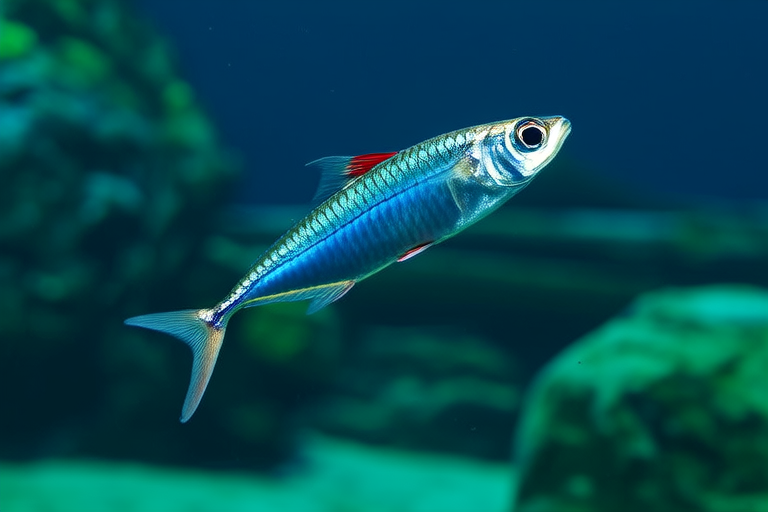
Rajah cichlids are distinguished by their vibrant colors and robust bodies, which make them a standout addition to any aquarium. Males typically exhibit more intense hues, featuring bright yellow, orange, and blue markings that contrast against their dark bodies. Females, while equally attractive, tend to be less colorful. Their physical attributes are complemented by their energetic demeanor; Rajah cichlids are highly active swimmers, often darting around the tank with quick bursts of speed. These fish are also territorial, particularly during breeding periods, when males will establish and defend their territories vigorously. Their behavior can vary widely depending on environmental conditions, tank mates, and overall health, making it essential for aquarists to understand and respond appropriately to their needs.
Common Behaviors: Swimming Patterns, Feeding Habits, and Tank Mate Interactions
Swimming Patterns
Rajah cichlids are known for their dynamic swimming patterns, which can range from leisurely gliding through the water column to rapid, darting movements. During the day, they are usually found near the mid-water level, exploring their surroundings and occasionally venturing to the bottom of the tank. At night, they tend to rest in crevices or among rocks, seeking shelter and conserving energy. However, when threatened or excited, Rajah cichlids may display erratic swimming, moving quickly from one area of the tank to another. This behavior is especially noticeable during feeding times or when new objects are introduced to the tank.
Feeding Habits
Feeding Rajah cichlids can be both a delightful and challenging aspect of caring for them. These omnivorous fish have a varied diet in the wild, consisting of algae, small crustaceans, and plant matter. In captivity, they thrive on a mix of high-quality flake food, pellets, and occasional live or frozen treats like brine shrimp or bloodworms. Rajah cichlids are enthusiastic feeders, often competing for food, especially if there are multiple individuals in the tank. To prevent overfeeding and promote balanced nutrition, it’s advisable to offer small portions several times a day rather than large meals once daily. Additionally, providing a variety of foods helps maintain their vibrant coloration and overall health.
Interactions with Tank Mates
Rajah cichlids are generally peaceful fish, but their social behavior can be complex. They coexist well with other peaceful cichlids and non-aggressive species from Lake Malawi, such as mbuna and peacock cichlids. However, they can become aggressive towards smaller or weaker fish, viewing them as potential prey. It’s important to choose tank mates carefully, ensuring that all fish are of similar size and temperament. When introduced to a new tank, Rajah cichlids may initially display territorial behavior, chasing away intruders and establishing dominance. Over time, they tend to settle into a harmonious relationship with compatible companions, sharing resources and space without conflict.
Signs of Stress or Comfort
Identifying whether your Rajah cichlids are stressed or comfortable is crucial for their well-being. Stressed fish may exhibit a variety of symptoms, including loss of appetite, lethargy, and unusual hiding behavior. They might also show signs of physical distress, such as clamped fins or discolored patches on their bodies. On the other hand, comfortable Rajah cichlids are active, alert, and responsive to their environment. They swim confidently throughout the tank, interacting with their surroundings and engaging in normal feeding behaviors. Regular observation of your fish’s activities can help you detect early signs of stress and address any issues promptly.
Tips for Owners on How to Interpret Fish Actions
To ensure optimal care for your Rajah cichlids, it’s important to learn how to interpret their actions and respond accordingly. Start by observing their swimming patterns and feeding habits, noting any changes in behavior. If your fish become less active or show signs of discomfort, check the water quality and tank conditions, adjusting as necessary. Providing plenty of hiding spots and maintaining a stable environment can help reduce stress and promote healthy behavior. Additionally, consider the social dynamics within the tank, ensuring that all fish are comfortable and well-adjusted. By paying close attention to your Rajah cichlids’ actions, you can better understand their needs and provide them with the best possible care.
Maintaining a Healthy Environment
Creating an environment that supports natural Rajah cichlid behavior is essential for their health and happiness. A spacious tank with ample swimming space is ideal, allowing the fish to move freely and explore their surroundings. Incorporating rocks, caves, and plants can provide hiding spots and stimulate their natural instincts. Maintaining optimal water parameters is equally important; Rajah cichlids prefer slightly alkaline water with a pH between 7.8 and 8.6, along with consistent temperature and hardness levels. Regular water changes and proper filtration are vital for keeping the tank clean and free from harmful substances. By focusing on these aspects, you can create a thriving habitat that encourages natural behavior and promotes overall well-being.
In conclusion, understanding Rajah cichlid behavior is key to providing them with the best possible care. By familiarizing yourself with their unique characteristics, common behaviors, and signs of stress or comfort, you can ensure that your fish lead happy, healthy lives. With careful observation and thoughtful management, you can create an environment that supports their natural instincts and allows them to thrive. Whether you’re a novice aquarist or an experienced hobbyist, taking the time to understand and meet the needs of your Rajah cichlids will reward you with a vibrant and engaging aquarium experience.
